
29 October 2026
Curated by the team of Boldvoices
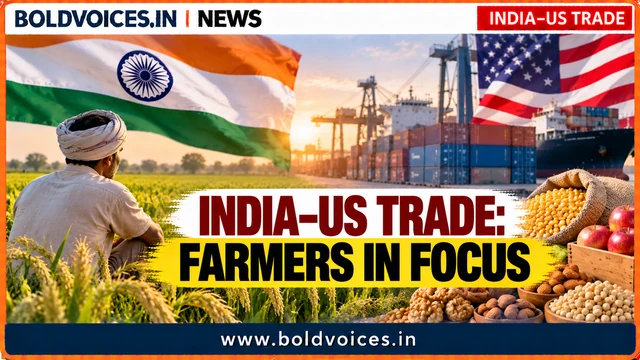
India will not compromise the interests of its farmers in a proposed trade agreement with the United States, Commerce and Industry Minister Piyush Goyal said on Thursday. His assurance comes as the two countries work to finalise the agreement’s first phase and farmer organisations demand greater transparency about the terms.
What the government has said
Goyal said Indians would welcome the agreement once its details were made public and argued that India would gain a strong comparative advantage. The deal has not yet been signed, and the final text and implementation details have not been released publicly.
India and the United States announced a framework in February that reduced US punitive tariffs on most Indian goods. The current negotiations are intended to move the broader agreement forward, but market access for sensitive agricultural products remains a contentious issue.
Why farmers are concerned
The Samyukt Kisan Morcha (SKM), a coalition of more than 100 farm organisations, has criticised the negotiations and called for the agreement’s terms to be disclosed. The group argues that lower barriers for some US agricultural products—including maize, almonds, walnuts, apples and soybean oil—could expose Indian producers to competition from subsidised imports and put pressure on domestic prices and rural incomes.
These are concerns raised by farmer organisations, not a confirmed account of the final deal’s terms. Until the agreement is published, it is not possible to assess precisely which products would receive concessions, what quotas or safeguards might apply, or how any changes would affect particular farming regions.
The balance between exports and farm protection
Supporters of a trade agreement see opportunities for Indian exporters through more predictable access to the US market and lower trade barriers. For agriculture, the impact would depend on product-specific provisions, tariff rates, quotas, safeguards and the ability of domestic producers to compete.
India’s policy challenge is to pursue export opportunities without weakening the livelihoods of farmers who may be exposed to import competition. Clear publication of the text, transparent impact assessments and consultation with affected producer groups would help the public evaluate whether the final arrangement meets those goals.
What happens next
The first phase remains under negotiation and legal work, with both governments still needing to complete the process before a signed agreement can be assessed. The SKM has said it plans further demonstrations in November and is pressing the government to disclose the terms.
The key test will be the published agreement—not assurances or speculation alone. Its product schedules, safeguards and implementation rules will determine how the trade deal affects Indian farmers, consumers and exporters.
Sources
- Reuters, “India says trade deal with US will not hurt its farmers,” 29 October 2026
- The Indian Express, report on Piyush Goyal’s comments, 29 October 2026
#IndiaUS #TradeDeal #IndianFarmers #Agriculture #TradePolicy #PiyushGoyal #IndianEconomy #BoldVoices


