
By Team of Boldvoices | Updated: 31 October 2026
Food waste starts long before the bin
Food is wasted when edible ingredients are forgotten in the fridge, too much is cooked, shopping is unplanned or leftovers are not stored safely. The issue is larger than household budgets. UNEP’s Food Waste Index 2024 estimated that 1.05 billion tonnes of food were wasted worldwide in 2022 across households, food service and retail; households accounted for about 60 per cent of that total. These global figures underline why small domestic habits matter.
Plan meals before shopping
Check the fridge, freezer and pantry before making a list. Plan a few meals around ingredients that need to be used first. Buy fresh produce in quantities your household can realistically finish. For foods with a short shelf life, smaller and more frequent purchases may be better than bulk buying. Avoid shopping when rushed or hungry if it leads to impulse purchases.
Understand date labels and food safety
A ‘best before’ date generally relates to quality, while a ‘use by’ date can relate to safety, depending on the product and local rules. Never rely on smell alone to judge high-risk foods. Follow storage instructions, keep raw and cooked foods separate and refrigerate perishables promptly. When in doubt about food that may be unsafe, do not taste it to test it.
Store food so it is easy to see and use
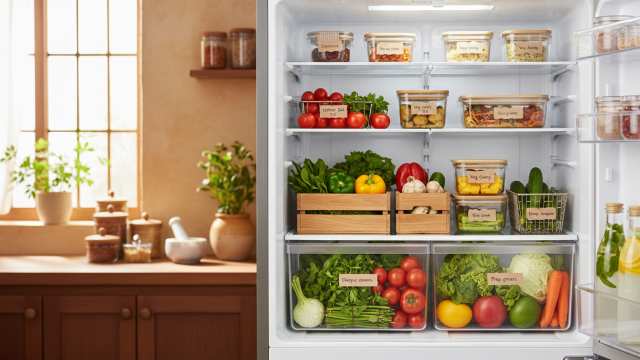
Keep the fridge organised: place older items where they are visible and newer purchases behind them. Use clean, covered containers and label leftovers with the date. Store dry grains and pulses in airtight containers away from moisture and pests. Learn which fruits and vegetables need refrigeration and which are better kept in a cool, dry place.
Give leftovers a second life
Cool and refrigerate leftovers promptly in shallow containers. Reheat only the portion you plan to eat and heat it thoroughly. Turn suitable leftovers into a new meal—cooked vegetables can go into a soup or filling, and plain rice can be used in a fresh dish if it was cooled and stored safely. Do not keep reheating the same food repeatedly.
Serve portions thoughtfully
Start with smaller portions and allow people to take more if they are still hungry. At gatherings, estimate quantities realistically and arrange safe storage for food that remains. Share surplus food only through responsible channels that can maintain hygiene and safe handling. Do not donate food that has been left at unsafe temperatures.
Use the parts you can safely use
Vegetable stems, peels and bones may be useful in stocks or recipes when they are clean and suitable. Remove damaged or spoiled parts and follow food-safety guidance. Inedible scraps can be composted where practical. Compost should be managed properly to avoid pests and odour; not every item belongs in every home compost system.
Make waste visible for one week
For seven days, collect or note what your household throws away and why: spoiled produce, plate leftovers, excess cooking or expired pantry items. The pattern often reveals one simple fix, such as buying fewer leafy greens or freezing bread before it goes stale. Review the list weekly.
A household habit with wider benefits
Reducing food waste saves money, respects the labour and resources behind food and can lower the environmental impact of disposal and production. You do not need a perfect zero-waste kitchen. Start with a shopping list, visible storage and one planned leftover meal each week.
Curated by the Team of Boldvoices.
Hashtags
#FoodWaste #ReduceFoodWaste #FoodStorage #SustainableKitchen #MealPlanning #FoodSafety #BoldVoices


