
Russian Scientists Unveil Plasma Engine That Could Reach Mars in 30 Days
Russian scientists have introduced a revolutionary plasma propulsion system that could drastically cut down travel time to Mars, potentially outperforming current spacecraft technologies like SpaceX’s Starship.
Innovative Plasma Propulsion System
The engine, developed by researchers at Rosatom’s Troitsk Institute, uses electromagnetic fields to accelerate charged hydrogen ions to extraordinary speeds of up to 100 kilometers per second (about 360,000 km/h). This is a major leap from the typical speeds of traditional chemical rockets, which usually max out at around 4.5 km/s.
Prototype Testing Underway
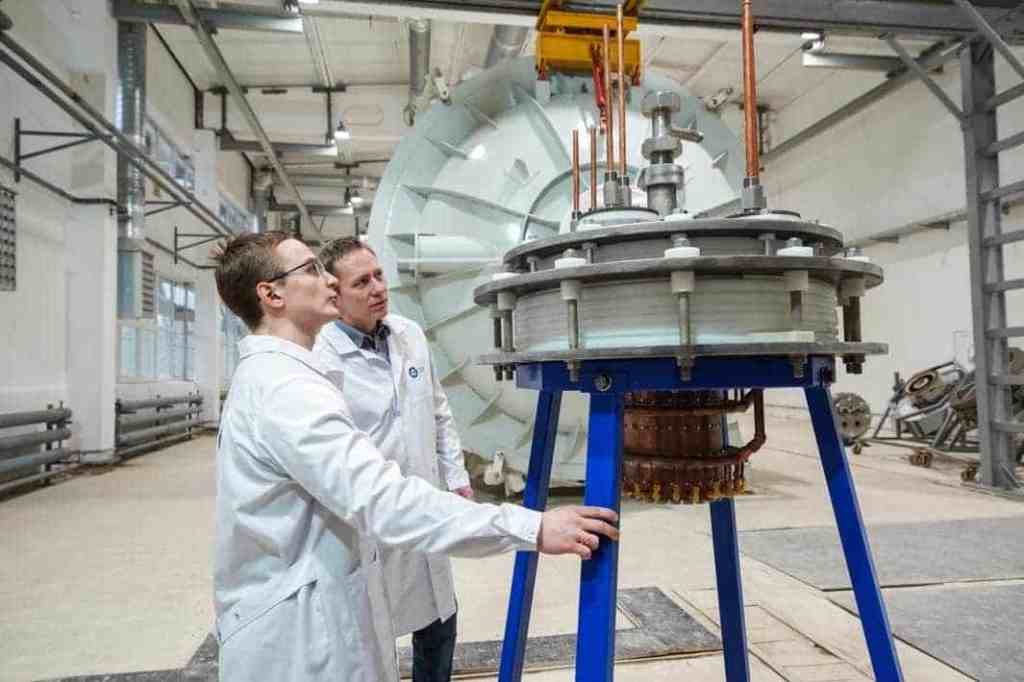
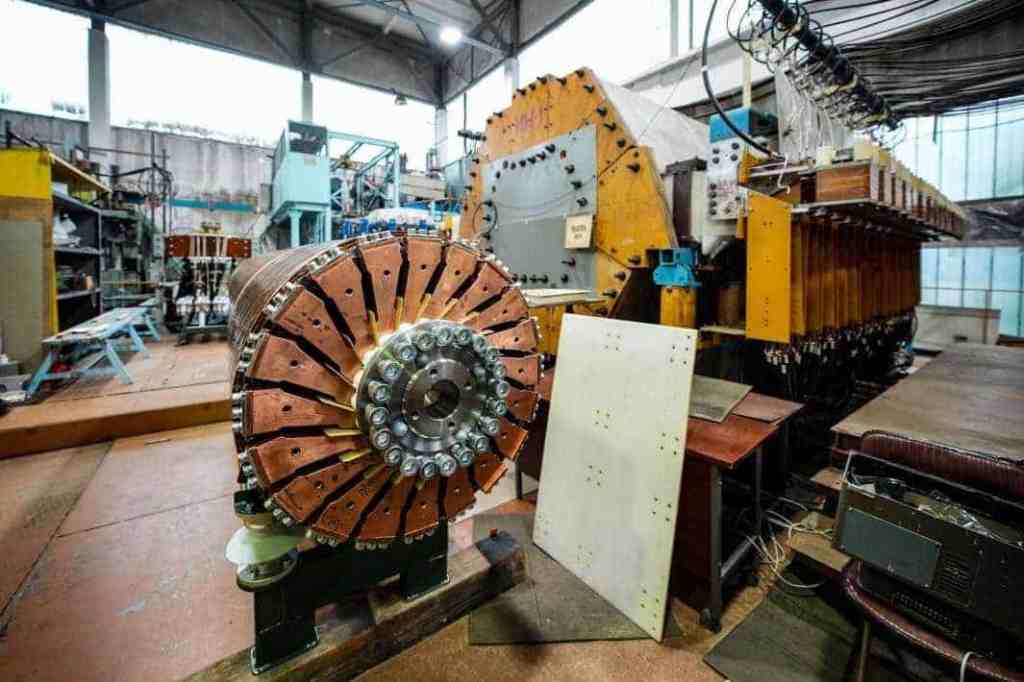
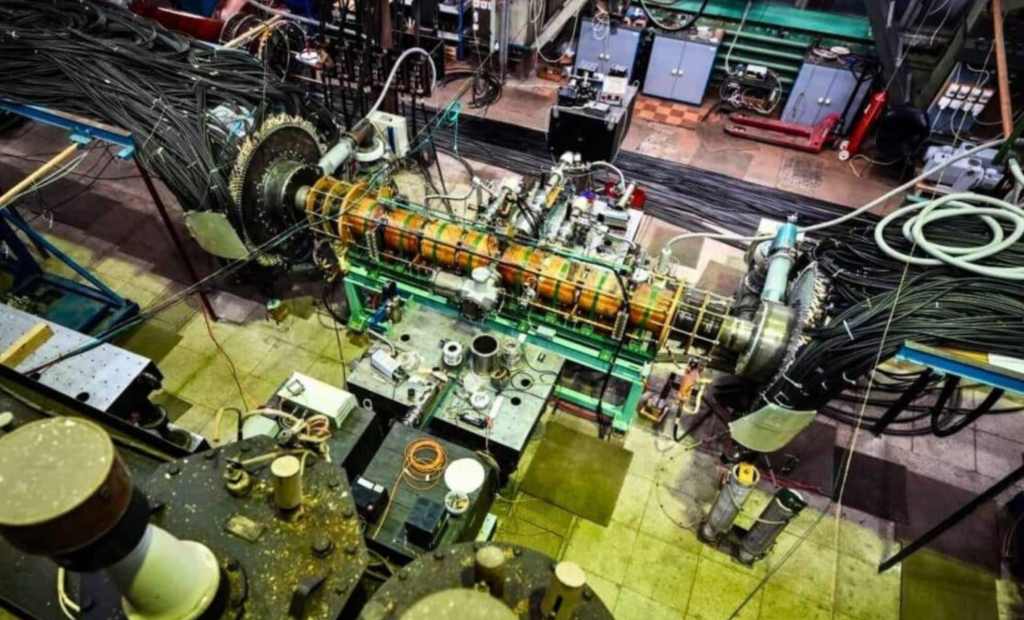
A working prototype is currently undergoing rigorous ground testing inside a vacuum chamber designed to mimic space conditions. This testing facility, measuring 4 meters in width and 14 meters in length, enables scientists to analyze the engine’s capabilities in simulated space environments. The engine, which operates at 300 kW in a pulse-periodic mode, has already demonstrated a lifespan of 2,400 hours—long enough for a round trip to Mars.
Hydrogen: The Chosen Propellant
Hydrogen has been selected as the primary fuel for this engine. Thanks to its low atomic mass, hydrogen allows for highly efficient acceleration of ions. Moreover, its abundance in space could allow for future missions to refuel along the way. Hydrogen also produces less thermal stress on engine components, which could help extend the engine’s operational life.
Implications for Interplanetary Travel
Unlike conventional rockets that burn fuel in short bursts, the continuous thrust of this plasma engine could enable a Mars journey in just 30 to 60 days. Shorter travel times would mean significantly reduced exposure to cosmic radiation for astronauts and fewer psychological stresses associated with long-duration space missions. This innovation could be a game-changer for the future of human space exploration.
Challenges and Future Prospects
Despite its promising potential, several hurdles remain before this technology becomes operational. The engine’s performance needs to be independently verified, and integrating it with existing spacecraft requires additional engineering advancements. Furthermore, it will likely need a compact nuclear power source to function efficiently in space, which presents both technical and safety challenges. Rosatom aims to have a space-ready version of the engine by 2030.
A Leap Toward the Future
This new plasma engine marks a bold step forward in the field of space propulsion. If successful, it could redefine interplanetary travel and open the door to faster, safer, and more efficient missions to Mars and beyond.











 BoldVoices.in
Leave a reply to satyam rastogi Cancel reply