
Introduction
The Indian Space Research Organisation (ISRO) has emerged as one of the leading space agencies globally, known for its cost-effective and innovative approach to space exploration. Established in 1969, ISRO has made tremendous strides in satellite development, launch vehicle technology, and space science research. This article delves into ISRO’s history, major achievements, and future plans, showcasing how the organization has significantly contributed to India’s advancements in space technology.
Historical Background
ISRO was founded under the leadership of Dr. Vikram Sarabhai, a visionary who believed in utilizing space technology for India’s development. The organization began its journey with a primary focus on harnessing space science technology for agriculture, rural development, and disaster management. The launch of India’s first satellite, Aryabhata, in 1975 marked a significant milestone, catalyzing the country’s aspirations in space research.
Expanded Historical Background of ISRO
The Indian Space Research Organisation (ISRO) has a rich history that reflects India’s commitment to harnessing space technology for national development. Following its establishment in 1969, ISRO has evolved through various phases, making significant contributions to both national and global space exploration efforts.
Early Developments
In the early 1960s, the Indian government recognized the importance of space technology, leading to the creation of the Indian National Committee for Space Research (INCOSPAR). This initiative was spearheaded by Dr. Vikram Sarabhai, who is often regarded as the father of the Indian space program. Sarabhai’s vision was to apply space technology to address pressing challenges in India’s development.
First Satellite Launch
A pivotal moment in ISRO’s history came with the launch of Aryabhata, India’s first satellite, on April 19, 1975. This was a landmark achievement that marked the beginning of India’s journey into space. Despite facing technical challenges, Aryabhata’s successful deployment showcased the potential of space technology for scientific research.
The 1980s: Advancements and Challenges
The next decade saw significant advancements in India’s space capabilities. The launch of SLV-3 in 1980 marked India’s entry into the league of nations capable of launching satellites. However, the journey was not without its challenges. The early 1980s faced setbacks due to failed launches, which urged ISRO to enhance its technical expertise and reliability.
Growth and Recognition in the 1990s
The 1990s were transformative for ISRO, with the introduction of the ASLV and PSLV programs. The PSLV, in particular, proved to be a game-changer, with its ability to launch multiple satellites into polar orbits. This period also witnessed increased collaboration with international space agencies, fostering technology transfer and cooperation. ISRO’s reputation grew globally, and the agency became increasingly recognized for its cost-effective launch services.
21st Century Innovations
Entering the 21st century, ISRO expanded its horizons with ambitious projects such as the Mars Orbiter Mission (Mangalyaan) launched in 2013. This mission not only confirmed India’s prowess in space technology but also positioned ISRO as a key player on the global stage, showcasing its ability to execute complex missions on a budget.
Recent Developments and Future Aspirations
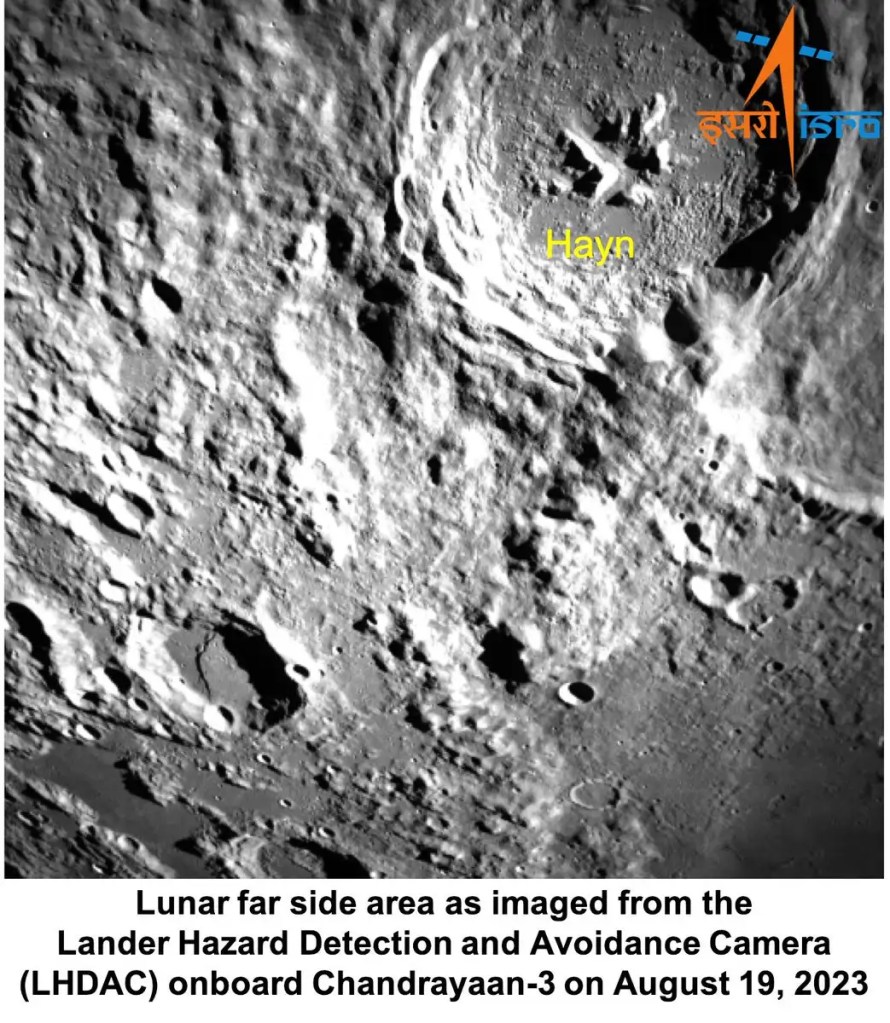
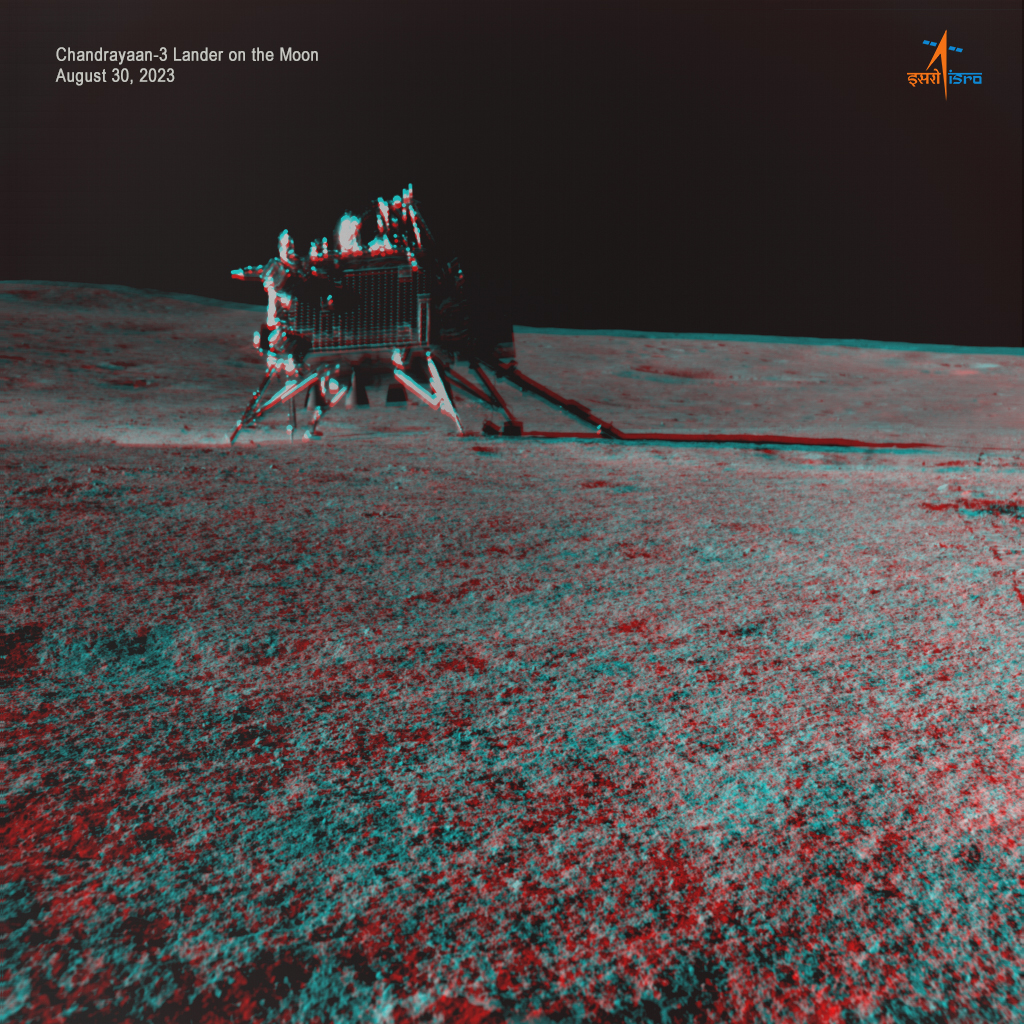
In recent years, ISRO has continued to push the boundaries of space exploration with missions like the Chandrayaan series, focusing on lunar exploration, and Gaganyaan, aimed at sending humans to space. The evolving landscape of space technology, coupled with ISRO’s commitment to innovation, positions the organization for significant future achievements.
From its humble beginnings to its current status as a leader in space technology, ISRO’s history is a testament to India’s dedication to scientific advancement and innovation. The organization continues to inspire future generations and is poised to make even greater contributions to space exploration and technology in the coming years.
Major Achievements
Launch Vehicles
ISRO has developed a series of reliable and cost-effective launch vehicles that have placed numerous satellites in orbit. Key launch vehicles include:
- SLV (Satellite Launch Vehicle): Launched in 1980, it was India’s first experimental satellite launch vehicle.
- ASLV (Augmented Satellite Launch Vehicle): Introduced in 1992, it helped improve reliability.
- PSLV (Polar Satellite Launch Vehicle): Known for its versatility, PSLV has launched various satellites into polar orbits and is widely used for launching satellites for other countries.
- GSLV (Geosynchronous Satellite Launch Vehicle): This vehicle has significantly enhanced India’s capabilities in launching heavier payloads into geosynchronous orbits.
Satellite Development
ISRO has developed a range of satellites serving various purposes:
- Communication Satellites: The GSAT series enhances communication capabilities across the nation.
- Remote Sensing Satellites: The IRS series supports agricultural monitoring, forestry, and land-use planning.
- Navigation Satellites: The Indian Regional Navigation Satellite System (IRNSS) provides accurate positioning services to users in India and the surrounding region.
Notable Missions
ISRO’s ambitious missions reflect its commitment to space exploration:
- Mars Orbiter Mission (Mangalyaan): Launched in 2013, it made India the first Asian nation to reach Martian orbit and the first nation globally to do so on its maiden attempt. Mangalyaan demonstrated ISRO’s cost-effective approach, with the mission costing about $74 million.
- Chandrayaan Missions: The Chandrayaan-1 mission in 2008 made significant discoveries, including the presence of water molecules on the Moon. Chandrayaan-2, launched in 2019, aimed to explore the lunar surface, particularly the south pole area.
- NavIC: ISRO’s regional navigation satellite system provides accurate positioning services to users in India and the surrounding region, enhancing navigation and alignment capabilities.
International Collaborations
ISRO collaborates with several space agencies worldwide, including NASA, ESA, and Roscosmos. These partnerships promote technology exchange and joint missions, enhancing global cooperation in space exploration.
Future Plans and Vision
ISRO’s vision emphasizes technology development and enhancing space science capabilities. Key future projects include:
- Gaganyaan Mission: India’s first crewed space mission aims to send a group of astronauts to low Earth orbit by 2024, marking a significant milestone in India’s human spaceflight endeavor.
- Aditya-L1: This mission aims to study the Sun’s atmosphere and understand solar activities and their effects on space weather.
- Chandrayaan-3: Following the challenges faced in Chandrayaan-2, this mission aims to achieve a soft landing on the Moon and further lunar exploration.
Notable Scientists of ISRO
The success of the Indian Space Research Organisation (ISRO) can be attributed to the remarkable contributions of many dedicated scientists and engineers. Here is a list of some of the most notable scientists who have played pivotal roles in ISRO’s journey:
Dr. Vikram Sarabhai
Often regarded as the father of the Indian space program, Dr. Vikram Sarabhai was instrumental in founding ISRO and played a crucial role in shaping India’s space policy. His vision emphasized the use of space technology for national development, laying the groundwork for India’s future space endeavors.
Dr. A.P.J. Abdul Kalam
A key figure in India’s missile and space technology development, Dr. Kalam served as the project director for the SLV-3 satellite launch vehicle project. Later, he became the President of India, where he continued to inspire millions to pursue careers in science and technology.
Dr. K. Radhakrishnan
As the former Chairman of ISRO, Dr. Radhakrishnan oversaw significant missions such as the Mars Orbiter Mission and the Chandrayaan missions. His leadership helped elevate ISRO’s status in the global space community.
Dr. R. N. K. B. Sreesammy
A prominent space scientist, Dr. Sreesammy has made substantial contributions to satellite payload development and remote sensing technology, enhancing ISRO’s capabilities in these areas.
Dr. Manohar B. B. Y. M. S. V. P. V. Ramakrishnan
As a leading scientist in launch vehicle technology, Dr. Ramakrishnan played a vital role in the development of the Polar Satellite Launch Vehicle (PSLV) and the Geosynchronous Satellite Launch Vehicle (GSLV), facilitating India’s satellite launches.
Dr. K. Ananthakrishnan
Dr. Ananthakrishnan has been influential in satellite systems and played a significant role in various remote sensing missions, contributing to India’s capabilities in Earth observation.
Dr. M. Annadurai
Known as the “Moon Man of India,” Dr. Annadurai served as the director of the Chandrayaan-1 mission. His expertise in space science and technology made significant contributions to lunar exploration.
Dr. B. N. Suresh
A prominent aerospace scientist, Dr. Suresh has been deeply involved in academic and research initiatives at ISRO. His contributions have shaped many aspects of India’s satellite development programs.
Dr. P. S. Goel
As a notable figure in the development of the Indian National Satellite System (INSAT), Dr. Goel has contributed significantly to communication and broadcast satellite technologies in India.
These scientists, along with many others, have played crucial roles in advancing India’s space capabilities, demonstrating the power of intellect and innovation in achieving national goals through science and technology.
Societal Impact
ISRO’s initiatives have far-reaching benefits for society:
- Disaster Management: Satellite imagery and data assist agencies in effectively managing natural disasters.
- Agriculture: Remote sensing data helps improve crop yield and monitor agricultural health.
- Education: Space technology applications are integrated into the education system, inspiring future generations to pursue careers in science and technology.
Conclusion
The Indian Space Research Organisation exemplifies how a nation can use space technology effectively to foster development and innovation. With numerous achievements and ongoing projects, ISRO is not just a symbol of national pride but also a pivotal player in the global space arena. As the organization continues its journey, it inspires millions, charting a path toward a promising future in space exploration.
#ISRO #SpaceResearch #IndianSpaceAgency #SpaceExploration #MarsOrbiter #Chandrayaan #SatelliteTechnology #Gaganyaan #SpaceInnovation #VikramSarabhai #SpaceScience #RemoteSensing #DisasterManagement #Agriculture #TechnologyForDevelopment #IndiaInSpace #SpaceTechnology #FutureOfSpace #GlobalCooperation #NationalPride











 BoldVoices.in
Leave a reply to Bold Voices Cancel reply