
Prarabdha: A Spiritual Perspective
Author: KSR, Editor at Boldvoices.in | Date: July 29, 2025
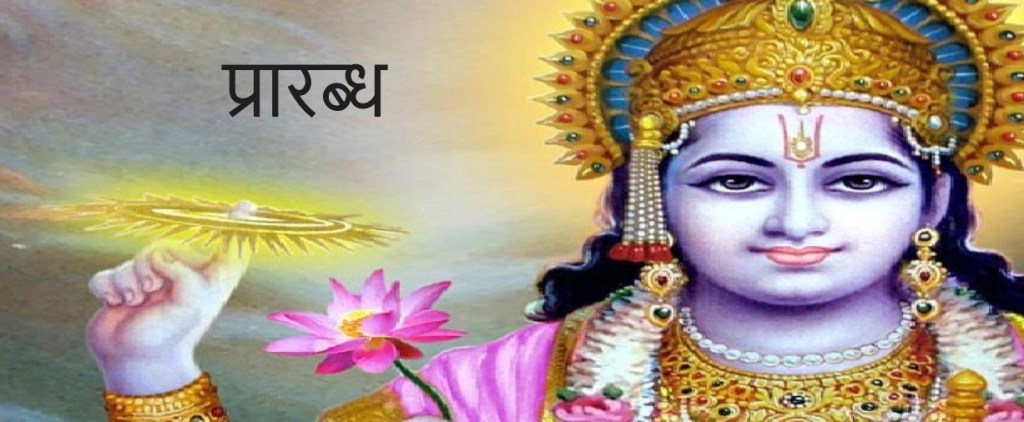
In Indian spiritual tradition, the concept of Prarabdha is considered both profound and essential. The word “Prarabdha” is derived from the Sanskrit roots “pra” (before) and “arabdha” (begun), meaning “karma that has already been set in motion.” It refers to that portion of destiny or circumstances that we are destined to face in this life — the fruits of actions done in previous births.
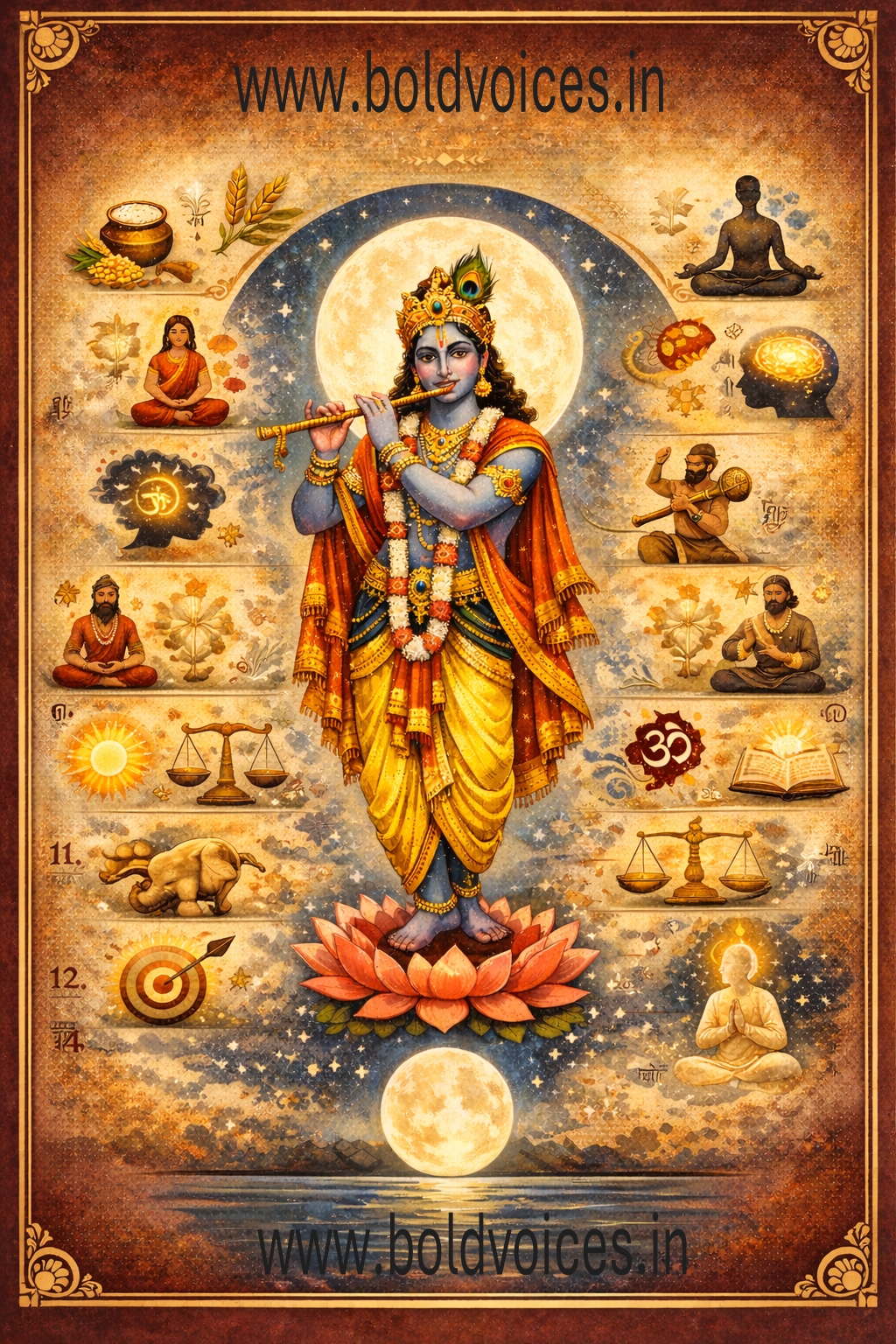
According to saints, sages, and spiritual teachers, human life is governed by three kinds of karmas:
- Sanchit Karma – the accumulated karma from countless past lives,
- Prarabdha Karma – the portion of karma ready to manifest in the current life, and
- Kriyamana Karma – the karma we are performing now, which will yield results in the future.
Misconceptions About Prarabdha
The biggest misunderstanding about Prarabdha is that people see it as a fixed, unchangeable fate — and then give up all effort. However, enlightened saints have consistently taught that while Prarabdha must be experienced, its effects can be softened or transcended through Satsang (spiritual congregation), Naam-Smaran (remembrance of the divine Name), and self-realization. Just like a seed that is bound to sprout, if attention is paid in time, its harmful impact can be minimized.
Role of Awareness and Will
Spiritual masters explain that Prarabdha determines external life conditions — like where one is born, who one’s parents are, and what kind of opportunities one encounters. However, it does not determine how one reacts to those situations. That is where Kriyamana Karma and spiritual awareness come into play.
Take the example of a saint. Even they are born with Prarabdha, but they undergo its effects consciously and wisely, ensuring they don’t create further karmic bondage.
Prarabdha as a Path to Self-Knowledge
From a spiritual lens, understanding Prarabdha is not about fatalism; it is a step toward self-awareness. When one truly grasps that every situation is a result of one’s own past actions, the tendency to blame others vanishes. In its place arise forgiveness, patience, and inner balance.
That’s why it’s been said:
“Act according to Dharma; don’t worry about the results.
What’s written in your Prarabdha will come; just remain aware.”
Role of the Satguru
For one who comes under the shelter of a Satguru (true spiritual master), there’s no need to fear Prarabdha. The Satguru grants the vision to treat life’s challenges as a spiritual practice, redirecting one’s journey toward the ultimate goal — union with the Divine.
The sole purpose of human life is to take refuge in the Satguru, receive His grace, and realize the true nature of the self — to experience God-realization and attain liberation (Moksha), thereby freeing oneself from the endless cycle of birth and death.
Prarabdha is not a punishment. It is a checkpoint in the soul’s journey, where the accounts of past karma are being settled. Its role is not to make us suffer, but to awaken us. Only the one who understands Prarabdha and strives to transcend it through awareness, devotion, and inner wisdom, is truly walking the path of spirituality.








 BoldVoices.in
Leave a comment