
May 31, 2025 Written by: KSR, Editor at Boldvoices.in
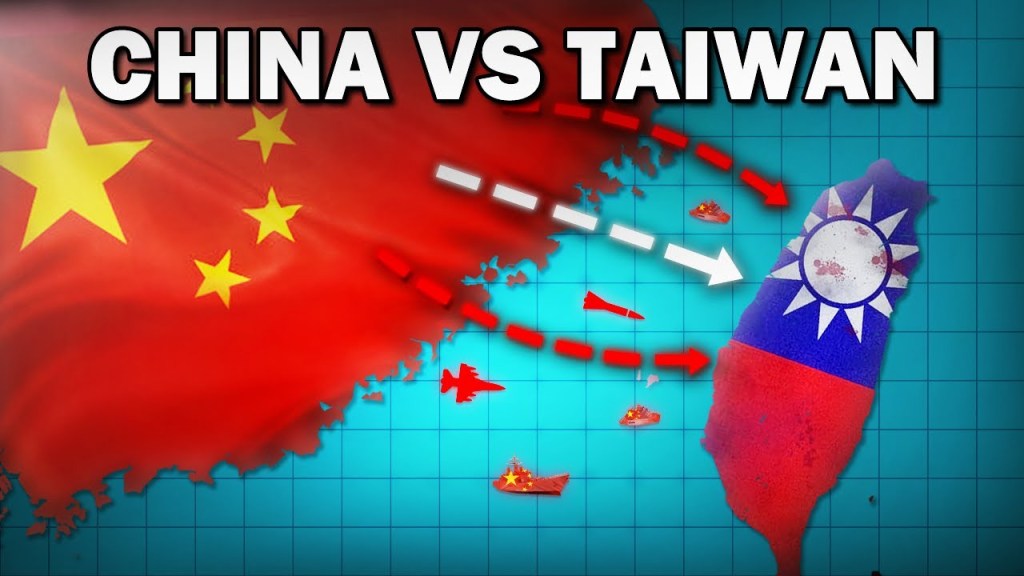
A Dangerous Calm in the Taiwan Strait
The Taiwan Strait today is a theatre of growing uncertainty — where waters remain calm, but the geopolitical undercurrents are deeply restless. As China flexes its military muscle and Taiwan strengthens its democratic resolve, the region inches dangerously close to confrontation. For India and the world, the developments carry profound implications for peace, sovereignty, and strategic balance in the Indo-Pacific.
A Historical Dispute with Modern Consequences
Taiwan’s story is rooted in 1949, when the Chinese Civil War concluded and the defeated Nationalist government fled to the island, setting up a separate administration. While Taiwan evolved into a vibrant democracy, Beijing has consistently asserted its claim over the island, calling it an “inalienable part” of China. For decades, both sides coexisted under a fragile status quo.
But 2025 is no longer a year of status quo — it is a year of sharp statements, military drills, and dangerously close encounters.
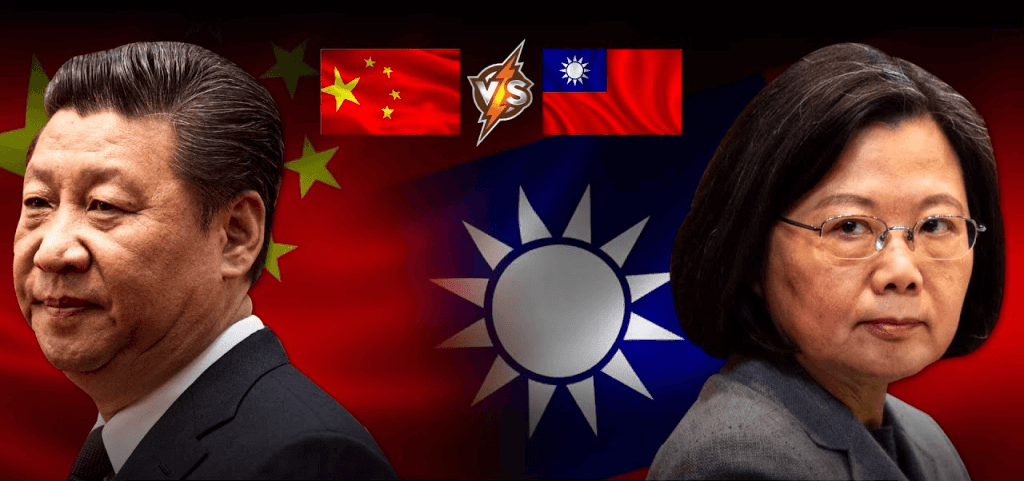
Escalation After Taiwan’s 2025 Elections
The re-election of a pro-sovereignty Taiwanese leadership this year was seen in Beijing as a direct challenge to its “One China” principle. In response, China has escalated both rhetoric and action:
- Massive military exercises were conducted in the Taiwan Strait and around Taiwanese airspace, simulating blockade and invasion strategies.
- Naval incursions involving aircraft carriers and destroyers have drawn counter-response from the U.S., Japan, and Australia.
- Cyber intrusions and propaganda campaigns have also surged, targeting Taiwan’s institutions and public morale.
The military pressure, though short of open war, signals a dangerous intent to intimidate and isolate Taiwan diplomatically and militarily.
India’s Position – Firm, Balanced, and Principled
India views the Taiwan issue through the prism of sovereignty, regional stability, and international law. While maintaining its “One China Policy,” New Delhi emphasizes peaceful resolution of disputes through dialogue, not coercion.
India supports freedom of navigation and overflight in the Indo-Pacific — a principle now under strain due to China’s increasing assertiveness. The Taiwan Strait is a key maritime route, and any instability here threatens the security and economic interests of multiple nations, including India.
India’s own experience with unresolved border tensions with China informs its cautious but firm approach. It maintains growing strategic ties with Taiwan in non-political domains — trade, technology, education — while supporting ASEAN centrality and multilateralism in resolving regional disputes.
The Global Balance – Between Support and Restraint
While the United States and its allies stand behind Taiwan, their support remains calculated. Washington continues arms sales, intelligence sharing, and freedom-of-navigation operations in the region. But no country has officially recognised Taiwan as independent, wary of provoking open conflict with Beijing.
At the same time, public sentiment in Taiwan has become increasingly pro-sovereignty. The youth of Taiwan, having grown up in a democracy, are unwilling to compromise their identity under Beijing’s “One Country, Two Systems” framework, especially after witnessing the erosion of freedoms in Hong Kong.
Risks of Miscalculation
A full-scale invasion remains a last resort — costly, bloody, and globally disruptive. But the real danger lies in accidental escalation: a skirmish at sea, a misidentified aircraft, a cyberattack misinterpreted as the first strike.
Such incidents can trigger chain reactions. Given the dense presence of militaries in the region — Chinese, American, Japanese, and others — the margin for error is shrinking.
The Economic Front – A Silent Battlefield
Taiwan is the heart of the global semiconductor industry. Companies like TSMC manufacture chips used in everything from smartphones to fighter jets. Any disruption in Taiwan would create a global economic earthquake.
For China, control of this sector is a strategic goal. For the West, it’s a red line. And for India, it’s an opportunity — to emerge as a trusted, stable partner in global supply chains and semiconductor manufacturing.
Conclusion – The Hour Before Dawn
The Taiwan crisis is not merely a bilateral issue — it is a test of how the world responds to aggression, ambiguity, and asymmetric warfare. India, while non-interventionist, supports peace, sovereignty, and the principles of international cooperation.
New Delhi’s focus remains clear — protect regional stability, promote multilateral dialogue, and build resilient partnerships. Taiwan may be far from India’s shores, but the waves it stirs ripple across the Indo-Pacific, and into the conscience of the world.
Written by: KSR, Editor at Boldvoices.in








 BoldVoices.in
Leave a comment