
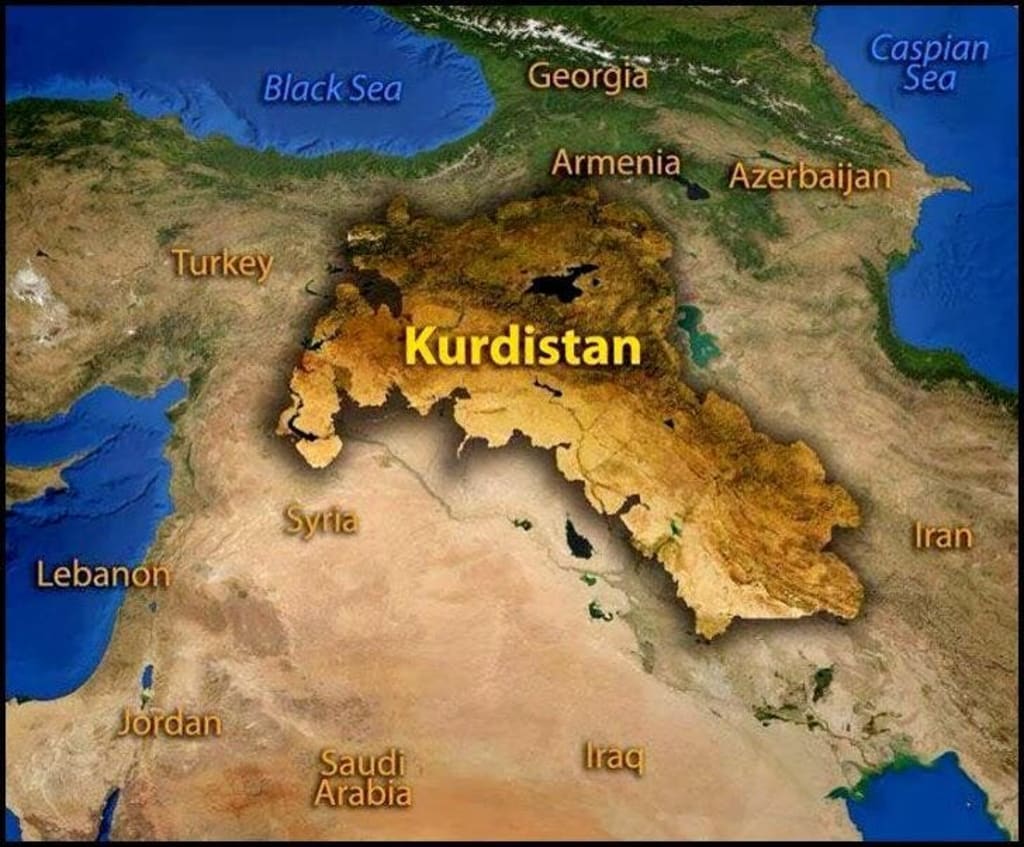
26 May 2025 | New Delhi, Curated by the team of Boldvoices.in
1. Roboski Massacre (2011): Aerial Bombardment of Innocents
On 28 December 2011, the Turkish Air Force bombed the village of Roboski near the Iraq-Turkey border, killing 34 Kurdish civilians. The government claimed they were militants, but they were local villagers engaged in cross-border trade. This incident remains a deep wound for the Kurdish community.
2. Destruction of Kelekçi Village (1992): Mass Displacement
In 1992, the Turkish army demolished Kelekçi village in Diyarbakır province, destroying 136 homes. Hundreds of Kurdish families were rendered homeless and the village was wiped off the map.
3. Operation Hammer (1997): Cross-Border Devastation
From May to July 1997, the Turkish military launched a major campaign in northern Iraq, targeting PKK militants but also affecting civilian areas. Thousands were killed, and fear spread through the Kurdish population both in Turkey and Iraq.
4. 2019 Military Offensive: Chemical Attacks and Massacres
In October 2019, Turkey launched a military offensive into northeastern Syria, targeting Kurdish-held areas. Reports emerged of the use of white phosphorus and other chemical weapons. Many civilians were killed, and tens of thousands were displaced.
5. Assassination of Hevrin Khalaf (2019): Targeting Kurdish Leadership
On 12 October 2019, Syrian Kurdish political leader Hevrin Khalaf was brutally murdered by Turkish-backed militia forces. Her assassination drew widespread condemnation and symbolized the targeted silencing of Kurdish voices.
6. Arrests of Journalists and Leaders (2022): Silencing Voices
In 2022, the Turkish state arrested 22 Kurdish journalists and detained over 5,000 members of the pro-Kurdish Peoples’ Democratic Party (HDP). These moves were widely seen as efforts to suppress dissent and silence Kurdish political aspirations.
7. Helicopter Incident (2020): Death in Custody
In September 2020, two Kurdish farmers were reportedly detained by Turkish soldiers and thrown from a helicopter in Van province. One of them, Servet Turgut, later died from his injuries. The incident sparked outrage and demands for justice.
8. Cultural Destruction and Forced Displacement (1990s): Erasing Identity
Throughout the 1990s, the Turkish government forcibly evacuated and destroyed thousands of Kurdish villages. Millions of Kurds were displaced, and efforts to erase their culture, language, and traditions intensified, leaving a long-lasting scar on Kurdish identity.
Conclusion:
The Turkish state’s treatment of the Kurdish population has been marked by decades of military aggression, political repression, and cultural erasure. These atrocities are not merely historical facts but ongoing realities. Justice for the Kurds demands acknowledgment, accountability, and action from the global community. The world must not look away as a people cry out for dignity, recognition, and peace.








 BoldVoices.in
Leave a comment