
Editorial By Gurdeep Singh, Senior Editor at BoldVoices.in, Date : 24/05/2025
A Nation Without Borders, A People Without Peace
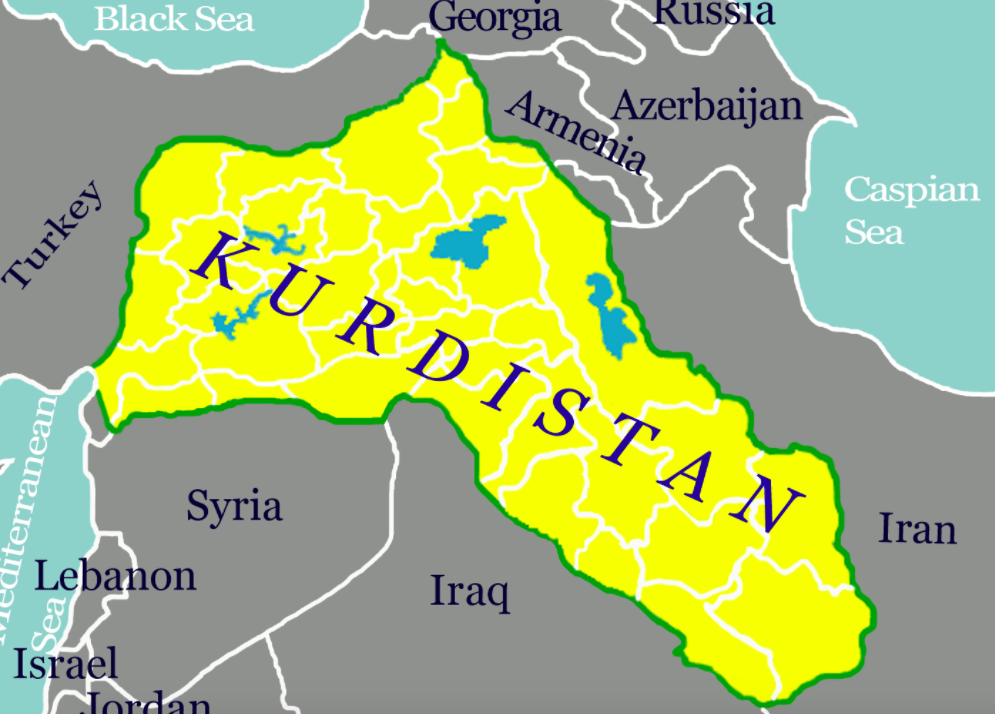
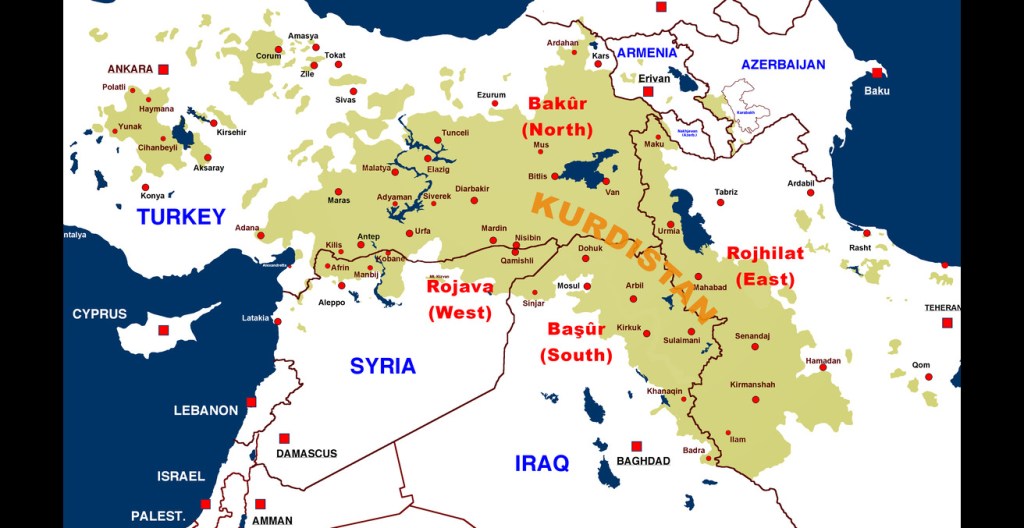
In the heart of the Middle East, people have long yearned for a homeland they can call their own. The Kurds, numbering between 30 to 40 million, are spread across Turkey, Syria, Iraq, and Iran. Despite their distinct language, culture, and identity, they remain stateless, often facing systemic oppression and denial of basic rights.
Turkey’s Suppression of Kurdish Identity
Turkey has been particularly harsh in its treatment of the Kurdish population:
- Language Suppression: For years, speaking, teaching, or publishing in the Kurdish language was prohibited.
- Cultural Repression: Traditional Kurdish attire, folk songs, and festivals were deemed acts of rebellion.
- Political Oppression: Kurdish leaders faced imprisonment on dubious charges, with thousands of activists disappearing or being killed.
- Military Aggression: In the 1990s, the Turkish military destroyed approximately 3,000 Kurdish villages. Under the pretext of combating the PKK (Kurdistan Workers’ Party), many innocent civilians were labeled as terrorists.
Post-2020, Turkey extended its military operations into Kurdish regions of Syria, leading to further displacement and suffering.
The International Community’s Role
- Human Rights Monitoring: The United Nations should conduct thorough investigations into the treatment of Kurds in Turkey and neighboring countries.
- Diplomatic Pressure: Global powers must hold Turkey accountable, leveraging political and economic tools to ensure the protection of Kurdish rights.
- Support for Self-Determination: The international community should advocate for referendums, allowing Kurds to decide their political future democratically.
India’s Moral Imperative
India, with its rich history of non-violence and struggle against colonialism, is uniquely positioned to champion the Kurdish cause:
- Advocacy: India can voice support for Kurdish rights on international platforms, emphasizing the importance of self-determination and human rights.
- Educational and Humanitarian Aid: Offering scholarships to Kurdish students and providing medical and infrastructural assistance can foster goodwill and development.
- Cultural Exchange: Promoting cultural ties can lead to mutual understanding and strengthen diplomatic relations.
Why India Should Act
Having endured colonial rule, India understands the pain of subjugation. Embracing the principle of ‘Vasudhaiva Kutumbakam’ (the world is one family), India has a responsibility to stand against oppression wherever it occurs. Supporting the Kurdish quest for justice aligns with India’s foundational values of democracy, freedom, and human dignity.
A Call to Conscience
Kurdistan may not yet appear on world maps, but it lives in the hearts of its people. Their plea is simple: to live freely, to celebrate their culture, and to exist without fear. As long as Kurdish mothers mourn their lost children, humanity remains incomplete. It’s time for the world, and India in particular, to listen to their cry and act with compassion and justice.
For the full article in Hindi, please visit BoldVoices.in.








 BoldVoices.in
Leave a comment