
April 21 , 2025 | New Delhi | Curated By Gurdeep Singh, Senior Editor at Boldvoices.in
Current Status of the Talks
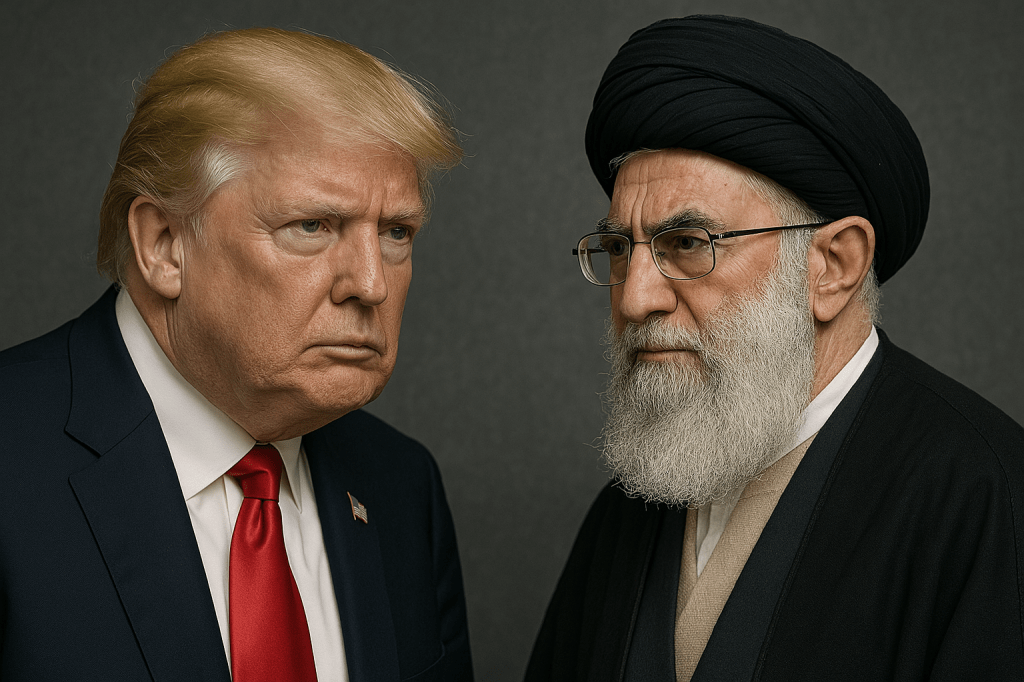
The second round of indirect discussions concluded on April 19 at the Omani Embassy in Rome. These talks, mediated by Oman, involved U.S. envoy Steve Witkoff and Iranian Foreign Minister Abbas Araghchi. Both parties characterized the meetings as “constructive,” agreeing to advance to expert-level discussions aimed at formulating a comprehensive framework for a potential agreement.
The forthcoming technical meetings are scheduled to commence midweek in Oman, with a subsequent high-level session planned for April 26 to evaluate progress.
Key Issues and Proposals
Central to the negotiations are concerns about Iran’s uranium enrichment activities and the assurance of sanctions relief. Iran has proposed a phased approach :
- Access to previously frozen funds and a reduction of uranium enrichment to 3.67%.
- Disabling the “snapback” mechanism for UN sanctions and ratifying the Non-Proliferation Treaty.
- Transferring enriched uranium to a third-party country, potentially Russia, in exchange for comprehensive sanctions relief.
Iran is also seeking a binding treaty ratified by the U.S. Congress or alternative enforcement mechanisms to ensure compliance.
Russia’s Emerging Role
Russia is poised to play a significant role in the potential agreement, possibly acting as a custodian for Iran’s enriched uranium and serving as an arbiter in dispute resolutions. This development could diminish the influence of European nations and the United Nations in the negotiation process.
U.S. Strategy and European Concerns
The U.S. delegation, led by Steve Witkoff—a close associate of President Trump with limited diplomatic experience—is conducting the talks without European involvement. This approach has raised concerns among European diplomats, who fear that excluding their expertise could undermine the negotiations.
Regional Implications
The negotiations are occurring amidst heightened regional tensions, including ongoing conflicts involving Hamas and Israeli military actions. Iran has indicated a willingness to discuss the disarmament of allied groups like Hezbollah and the Houthis as part of a broader agreement, though this remains a complex and sensitive issue.
Outlook
While both Iran and the U.S. express cautious optimism, significant challenges remain. The success of the negotiations will depend on resolving technical details, building mutual trust, and securing enforceable commitments. The upcoming expert-level talks in Oman will be critical in determining the feasibility of reaching a comprehensive agreement.








 BoldVoices.in
Leave a comment