
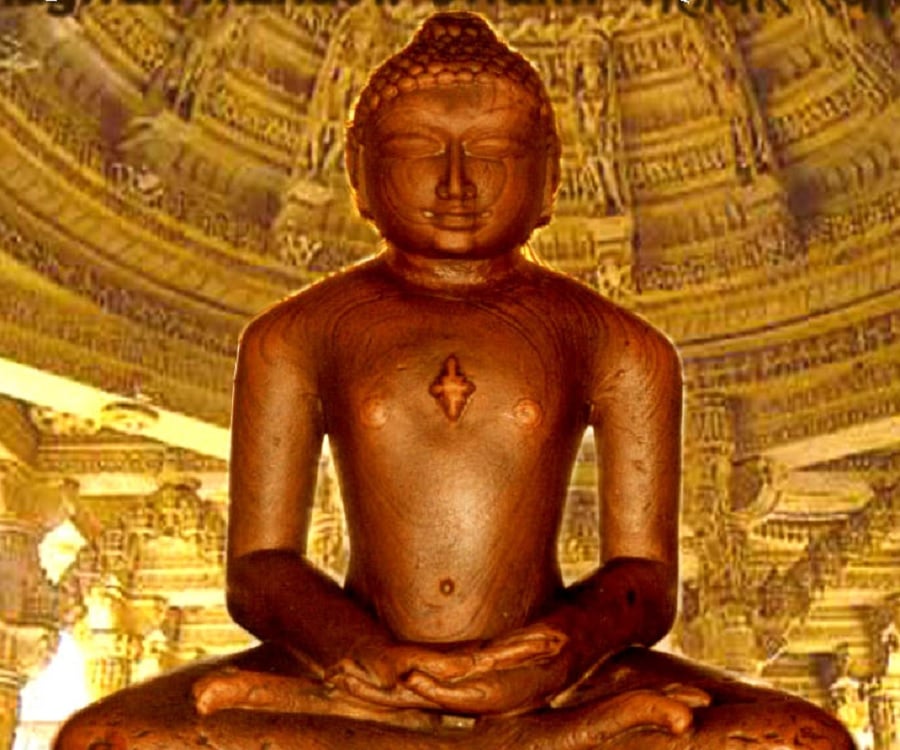
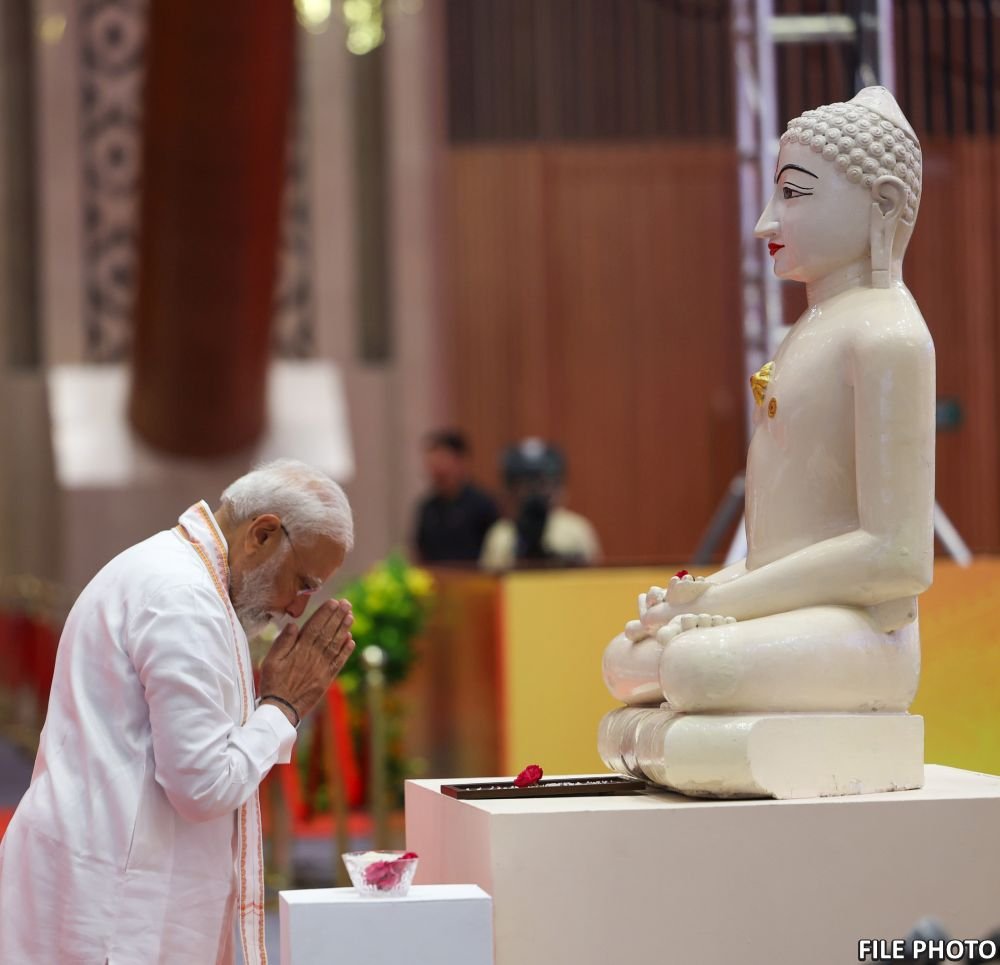
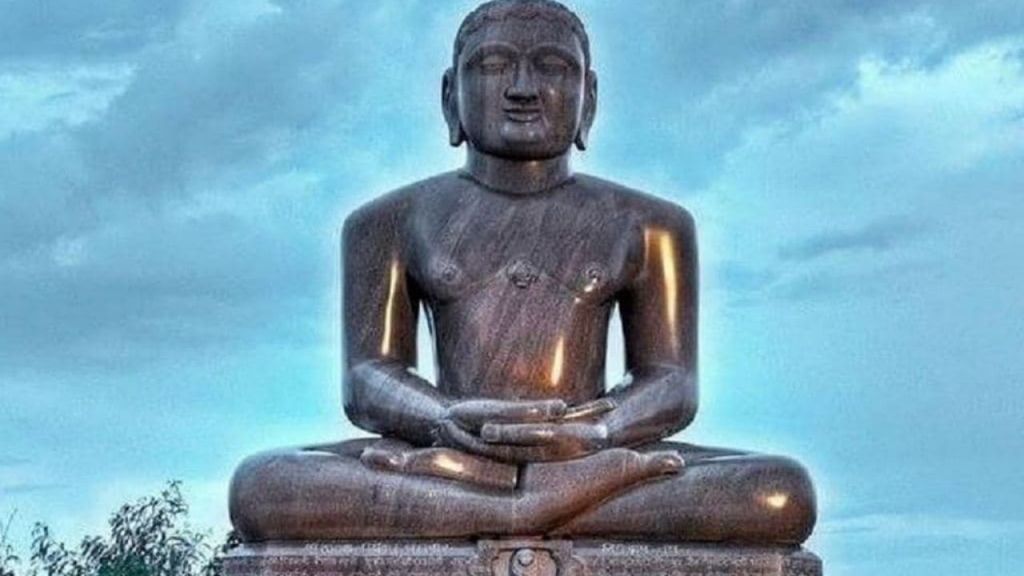
Mahavir Jayanti is one of the most significant festivals in Jainism, commemorating the birth of Lord Mahavir, the 24th and last Tirthankara (spiritual teacher) of the Jain religion. It is celebrated with great reverence and devotion by Jains across India and in various parts of the world.
Who Was Lord Mahavir?
Lord Mahavir, also known as Vardhamana, was born in 599 BCE in Kundagrama, near present-day Vaishali in Bihar, India. He was born into a royal family to King Siddhartha and Queen Trishala. Despite his royal upbringing, Mahavir renounced worldly pleasures at the age of 30 in search of spiritual truth.
After 12 years of intense meditation and asceticism, he attained Kevala Jnana (omniscience or infinite knowledge). Lord Mahavir preached Ahimsa (non-violence), Satya (truth), Asteya (non-stealing), Brahmacharya (celibacy), and Aparigraha (non-possession). His teachings laid the foundation of Jain philosophy.
When Is Mahavir Jayanti Celebrated?
Mahavir Jayanti falls on the 13th day of the bright half of the month of Chaitra (March-April) in the Hindu lunar calendar. In 2025, Mahavir Jayanti will be observed on April 10.
Significance of Mahavir Jayanti
- Spiritual Importance: The festival celebrates the life and teachings of Lord Mahavir, emphasizing self-discipline, renunciation, and ethical living.
- Cultural Relevance: It reinforces Jain values and is an occasion to reflect on Lord Mahavir’s message of peace and compassion.
- Promotion of Non-violence: Jains use this day to spread awareness about Ahimsa, promoting vegetarianism and animal rights.
How Is Mahavir Jayanti Celebrated?
1. Processions (Rath Yatras)
- Colorful processions with idols of Lord Mahavir placed on a chariot are taken through the streets.
- Devotees sing bhajans (devotional songs) and chant mantras.
- Monks and nuns deliver sermons and recite scriptures.
2. Temple Celebrations
- Temples are decorated with flowers, lights, and flags.
- Devotees offer Abhisheka (ceremonial bath) to Lord Mahavir’s idol with milk, water, and fragrant substances.
- Religious discourses and prayers are organized.
3. Acts of Charity
- Jains engage in charity work, such as distributing food, clothes, and medicine to the needy.
- Donations are made to animal shelters and orphanages.
4. Observing Fasts and Meditation
- Many devotees observe fasts or eat satvik food (pure vegetarian).
- They spend the day in meditation, prayer, and reading Jain scriptures like the Kalpa Sutra.
Global Celebrations
Though predominantly celebrated in India, Mahavir Jayanti is also observed by Jain communities in countries like the United States, Canada, the UK, Kenya, and Australia. Temples organize cultural and religious programs, often incorporating virtual gatherings to include global participants.
Mahavir Jayanti and Modern Relevance
Lord Mahavir’s teachings transcend religious boundaries and hold universal appeal. In today’s world plagued by violence and materialism, his principles of non-violence, truth, and simplicity are more relevant than ever. Mahavir Jayanti serves as a reminder to embrace a lifestyle rooted in compassion and ethical living.
Conclusion
Mahavir Jayanti is not just a celebration but a call to internalize and practice the values taught by Lord Mahavir. It inspires millions to follow the path of righteousness, compassion, and peace. As we honor his birth and legacy, we are reminded of the profound wisdom that continues to guide seekers of truth across generations.
Curated by the team at Bold Voices with the help of AI.









 BoldVoices.in
Leave a comment