
In a move with far-reaching implications for regional trade, India has decided to discontinue the trans-shipment facility that previously allowed Bangladesh to export goods to other countries through Indian territory. The announcement marks a significant shift in India’s trade policy and bilateral logistics support for its eastern neighbor.
Overview of the Facility
The trans-shipment arrangement, operational since mid-2020, enabled Bangladeshi exporters to route their cargo through Indian land customs stations and transport it to Indian ports and airports for further shipment to third countries. It served as a cost-effective and time-saving channel, especially for Bangladesh’s thriving garment export industry, and also supported trade to countries like Nepal, Bhutan, and Myanmar.
Why India Pulled the Plug
India’s Central Board of Indirect Taxes and Customs (CBIC) issued a notification on April 8, 2025, declaring the termination of the facility. According to officials, the service had led to increasing congestion at ports and air cargo hubs, adversely affecting the handling of India’s own exports. The infrastructure strain caused significant delays and inefficiencies in the movement of domestic goods.
Government sources stated that the decision was purely operational and rooted in logistical realities. The system, while initially beneficial to regional cooperation, had over time created more pressure than it could manage.
Impact on Bangladesh’s Exports
The end of the facility is expected to be a setback for Bangladesh, particularly for its export-reliant sectors such as textiles and garments. Many Bangladeshi manufacturers had come to rely on the quicker and cheaper transit access through Indian routes. With this option now closed, alternative routes are expected to cost more and may not offer the same logistical advantages.
Additionally, Nepal and Bhutan — both landlocked nations — used the Indian transit corridors to import Bangladeshi goods. Their supply chains may also experience delays and rising costs as a result of the policy change.
Geopolitical Undertones
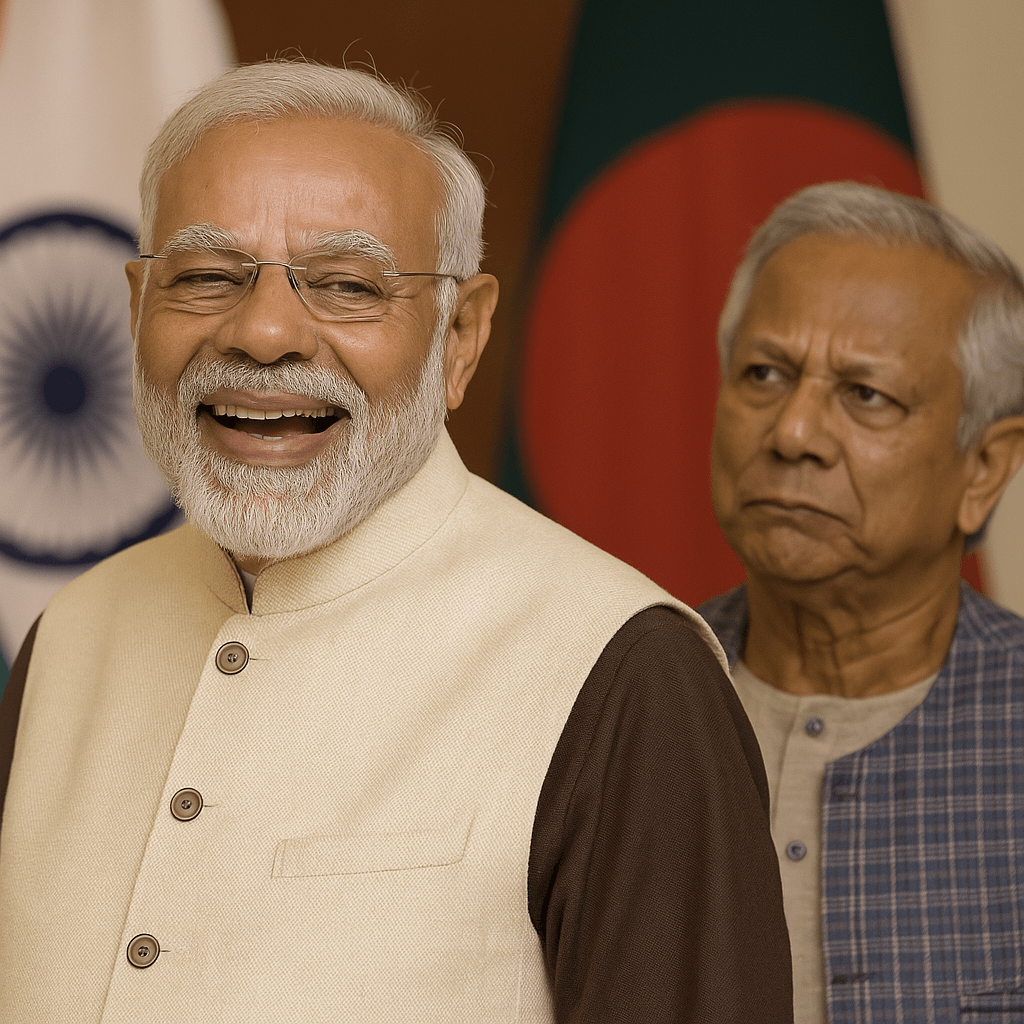
Although India’s official explanation points to trade logistics, the decision follows recent remarks made by a top Bangladeshi official during a diplomatic visit to China. Bangladesh’s Chief Advisor Muhammad Yunus reportedly referred to India’s northeastern states as “landlocked” and described Bangladesh as the “guardian of the ocean” for the region. He also encouraged China to explore deeper economic connectivity through Bangladesh.
These comments were viewed by Indian analysts as diplomatically insensitive and possibly provocative, fueling speculation that India’s move to cancel the facility might have been influenced by strategic concerns as well.
The Bigger Picture
India’s decision to withdraw this key trade corridor highlights the delicate balance between regional cooperation and national priorities. While connectivity remains a cornerstone of South Asian diplomacy, the infrastructure burden and emerging geopolitical tensions appear to have prompted a recalibration.
This development could impact the trajectory of India-Bangladesh relations in the near future. As both sides navigate the fallout, it will be important for diplomatic channels to remain open and focused on preserving the spirit of regional integration while respecting each other’s sovereignty and strategic interests.
Curated by Gurdeep Singh, Senior Editor at http://www.boldvoices.in










 BoldVoices.in
Leave a comment