
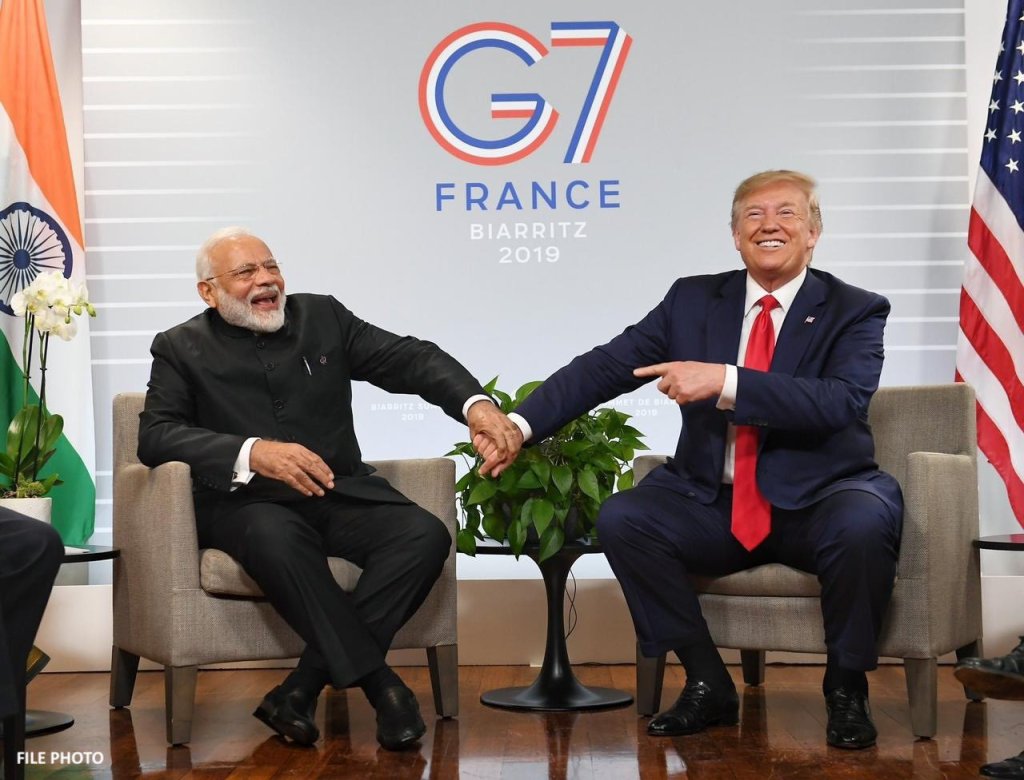
On April 2, 2025, President Donald Trump announced a comprehensive tariff strategy termed “Liberation Day,” aiming to address perceived trade imbalances and bolster domestic manufacturing. This policy introduces a universal 10% tariff on nearly all imports, with additional “reciprocal” tariffs targeting specific countries based on their existing trade barriers against the U.S.
Details of the Tariff Plan:
- Universal Tariff: A baseline 10% tariff will be applied to almost all imported goods starting April 5, 2025.
- Reciprocal Tariffs: Effective April 9, 2025, additional tariffs will be imposed on countries with significant trade barriers against the U.S. Notable rates include:
- European Union: 20%
- Japan: 24%
- India: 26%
- Vietnam: 46%
- Cambodia: 49%
These rates are intended to be half of the tariffs these countries impose on U.S. goods, reflecting a move towards what the administration terms “fair trade.”
Rationale Behind the Tariffs:
President Trump asserts that these measures will rejuvenate U.S. manufacturing, reduce trade deficits, and ultimately lower consumer costs. He emphasized that the U.S. thrived under similar tariff systems before the introduction of the income tax in 1913.
Market and Economic Reactions:
The announcement has elicited mixed reactions:
- Stock Market Impact: Major U.S. stock indices experienced significant declines in after-hours trading. S&P 500 futures dropped 3.5%, Nasdaq 100 futures fell over 4.3%, and Dow Jones Industrial Average futures decreased by as much as 1,000 points. Companies with extensive global supply chains, such as Apple, Walmart, and Nike, saw their shares drop by 7%.
- Investor Sentiment: Gold prices surged to a record $3,160 per ounce as investors sought safe-haven assets amid economic uncertainty.
International Response:
Several countries have expressed concerns and are contemplating retaliatory measures:
- European Union: Officials are evaluating potential countermeasures and have emphasized the importance of fair trade practices.
- India: The Indian government is assessing the impact of the 26% tariff on its exports and is considering diplomatic channels to address the issue.
Potential Implications:
Economists warn that these tariffs could lead to increased consumer prices and potential inflationary pressures. There is also concern about the possibility of escalating trade wars, which could further strain international relations and economic stability.
Conclusion:
President Trump’s “Liberation Day” tariffs represent a significant shift in U.S. trade policy, aiming to address longstanding trade imbalances. While intended to bolster domestic industries, the immediate market reactions and potential for international retaliation suggest a complex road ahead for the global economy.








 BoldVoices.in
Leave a comment