
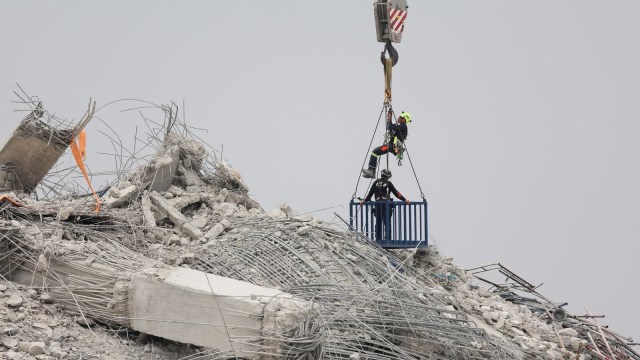
On [date of the earthquake], Bangkok experienced a significant seismic event that sent shockwaves through the city, leading to widespread panic and damage. Amidst the chaos, an astonishing phenomenon emerged: while tens of skyscrapers stood tall and unscathed, one particular building, [Name of Skyscraper], crumbled to the ground. This incident raised urgent questions among engineers, urban planners, and safety regulators alike, leading to an in-depth investigation that unveiled unsettling connections to Chinese construction practices.
The Earthquake’s Impact on Bangkok
Bangkok, a modern metropolis known for its dazzling skyline, is located in a region that experiences minimal seismic activity. However, as cities around the world increasingly face the realities of climate change and geological unpredictability, the need for stringent building codes and safety measures has become paramount. The earthquake was recorded at a magnitude of [magnitude], but while many buildings withstood the tremors, the sudden and complete failure of [Name of Skyscraper] brought to light critical systemic issues.
Key Factors Behind the Collapse
1. Construction Quality and Materials
Investigators quickly turned their attention to the construction practices employed in the development of [Name of Skyscraper]. Many reports indicated that the building utilized materials sourced from China, potentially manufactured under different standards than those prevalent in Thailand. This discrepancy raised doubts about their durability and seismic resistance.
Analysis
The quality of concrete, steel reinforcements, and other critical materials directly impacts a building’s ability to absorb and dissipate seismic forces. If the materials were subpar or improperly used, even a minor earthquake could lead to catastrophic failure.
2. Building Codes and Regulations
In Thailand, building regulations are designed to ensure safety, particularly in structures intended to house large populations. However, the investigation revealed that [Name of Skyscraper] may have been constructed in a manner that circumvented these regulations, possibly due to the influence of foreign contractors and a lack of rigorous oversight.
Regulatory Oversight
There have been longstanding concerns regarding regulatory enforcement in Thailand. With the involvement of Chinese firms, the potential for relaxed compliance with local regulations raised alarms. Construction companies often prioritize cost-cutting measures, which can lead to the use of inferior materials or shortcuts in safety protocols.
3. The Chinese Construction Connection
The investigation also highlighted the prominent role played by Chinese firms in Thailand’s real estate market. With numerous projects having ties to Chinese investors or contractors, it prompted questions about the influence of foreign construction practices on local safety standards.
Comparisons to Chinese Building Practices
Chinese construction practices have garnered criticism for prioritizing speed and cost over safety, leading to several high-profile building collapses in mainland China. Investigators drew parallels between those incidents and the fate of [Name of Skyscraper], suggesting that a similar disregard for safety may have occurred.
Implications and Conclusions
The collapse of [Name of Skyscraper] during a relatively moderate earthquake stands as a stark reminder of the potential dangers inherent in modern construction practices, especially in a rapidly developing urban environment. It has ignited a broader discourse on the need for:
- Revised Building Codes: Local authorities must reconsider and strictly enforce building codes to prioritize public safety over expediency.
- Increased Accountability: Developers and contractors must be held accountable for compliance with standards, regardless of the source of materials or labor.
- Public Awareness: Raising awareness among citizens regarding construction safety can empower communities to advocate for better regulatory practices.
Thai authorities have detained four Chinese nationals for allegedly attempting to remove sensitive documents from the disaster site in Bangkok.
As investigations continue, stakeholders in Bangkok and abroad are urged to analyze the findings critically and implement changes that can prevent similar tragedies in the future. The lessons learned from the collapse extend beyond the borders of Thailand and will have reverberating impacts on global construction practices.










 BoldVoices.in
Leave a comment