
Introduction
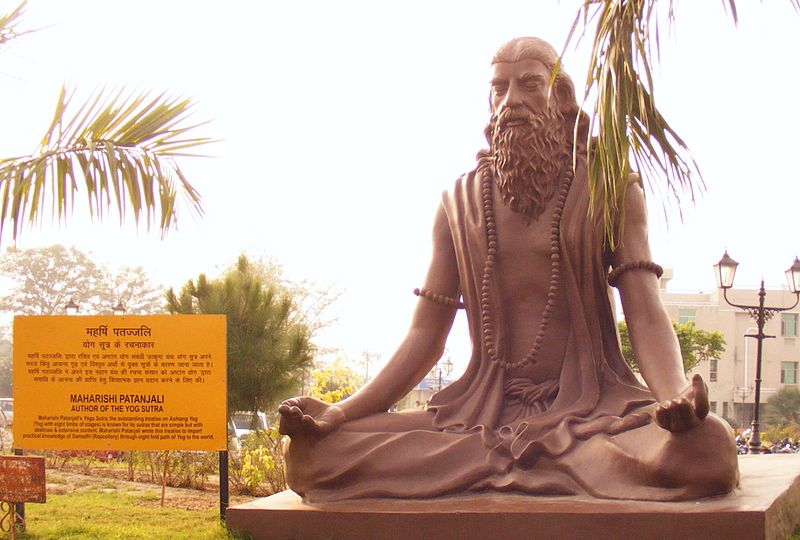
Rishi Patanjali, a revered sage in ancient India, is best known for authoring the “Yoga Sutras,” a foundational text that outlines the philosophy and practice of yoga. His contributions have had a profound impact on the development of yoga and its understanding as both a spiritual and physical discipline. This article delves into the life of Rishi Patanjali, his writings, the principles of yoga he espoused, and the relevance of his teachings in contemporary practice.
Historical Context
Patanjali is believed to have lived around the 2nd century BCE, although the exact timeline remains uncertain. He is often considered a pivotal figure in the history of yoga due to his synthesis of various yogic traditions and philosophies prevailing at the time. His Yoga Sutras serve as a guide for understanding the nature of the mind and the path to enlightenment.
The Yoga Sutras
The “Yoga Sutras of Patanjali” consists of 196 aphorisms that outline the theory and practice of yoga. The text is divided into four chapters (Padas):
1. Samadhi Pada
The first chapter introduces the concept of samadhi, the ultimate state of consciousness, where the practitioner experiences a union with the divine. Patanjali describes different types of samadhi and outlines the obstacles that one may encounter on the path.
2. Sadhana Pada
In this chapter, Patanjali discusses the practical aspects of yoga, introducing the concept of “sadhana” or practice. He delineates the eight limbs of yoga (Ashtanga), which include:
- Yama: Ethical disciplines
- Niyama: Self-disciplines
- Asana: Physical postures
- Pranayama: Breath control
- Pratyahara: Withdrawal of the senses
- Dharana: Concentration
- Dhyana: Meditation
- Samadhi: Blissful state
3. Vibhuti Pada
The third chapter discusses the supernatural powers (siddhis) that can be attained through dedicated practice. Patanjali emphasizes that while these powers may be tempting, they should not distract the practitioner from the ultimate goal of yoga—enlightenment.
4. Kaivalya Pada
The final chapter explores the concept of kaivalya, or liberation, where the individual soul becomes free from the cycles of birth and death. It emphasizes the need for self-awareness and transcendence beyond the physical realm.
Philosophical Underpinnings
Patanjali’s teachings are grounded in the philosophy of Samkhya, which outlines a dualistic worldview. In this framework, there are two fundamental realities: Purusha (the conscious self) and Prakriti (the material world). Yoga, according to Patanjali, is the means through which individuals can transcend the fluctuations of the mind (chitta) and realize their true nature as Purusha.
The Relevance of Patanjali in Contemporary Yoga
Patanjali’s contributions are not confined to ancient times; his teachings resonate with modern yoga practitioners worldwide. The principles outlined in the Yoga Sutras remain relevant, guiding individuals on their spiritual journeys. Here are a few key areas where Patanjali’s influence can be observed today:
1. Holistic Health
The integration of physical, mental, and spiritual practices promotes holistic well-being. Modern yoga classes often incorporate Patanjali’s eight limbs, emphasizing the importance of breath control, meditation, and ethical living.
2. Mindfulness and Meditation
Patanjali’s emphasis on meditation as a tool for self-discovery and stress relief is pivotal in contemporary wellness. Mindfulness practices rooted in his teachings are employed in therapeutic settings to address anxiety, depression, and other mental health challenges.
3. Ethical Living
The Yamas and Niyamas underscore the importance of ethics in daily life. As society grapples with various challenges, the principles of non-violence, truthfulness, and contentment advocated by Patanjali encourage individuals to cultivate compassion and integrity.
Conclusion
Rishi Patanjali’s legacy continues to shape the world of yoga and spirituality. His teachings offer profound insights into the nature of consciousness, the importance of practice, and the pursuit of enlightenment. As modern practitioners navigate the complexities of daily life, the wisdom found in the Yoga Sutras serves as a timeless guide, encouraging a journey towards self-realization and inner peace. Through the lens of Patanjali, yoga remains not just a physical practice but a comprehensive philosophy for living a balanced and meaningful life.










 BoldVoices.in
Leave a comment