
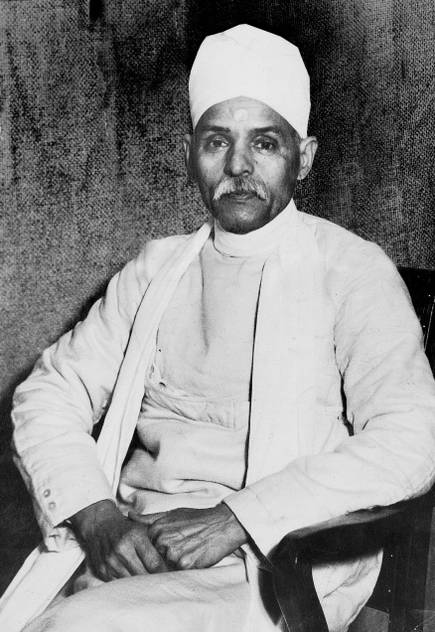
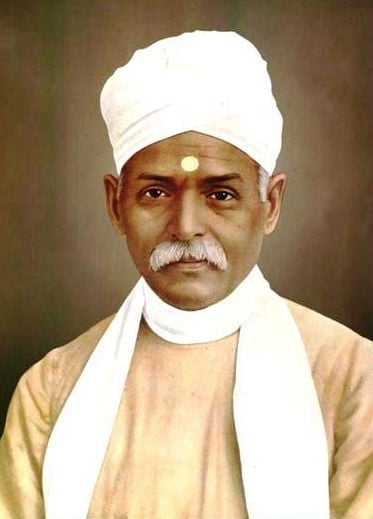
Pandit Madan Mohan Malviya, often revered as a visionary leader, was a prominent figure in India’s struggle for independence and a significant proponent of education reform in the early 20th century. Born on December 25, 1861, in Prayagraj (then Allahabad), he dedicated his life to the upliftment of society through education, nationalism, and social reform.
Early Life and Education
Madan Mohan Malviya hailed from a middle-class Brahmin family. He completed his early education at home before attending the prestigious University of Allahabad. A bright student, he excelled in various subjects, particularly in the arts and sciences. His deep-rooted belief in the importance of education sowed the seeds for his later initiatives.
Political and Social Activism
Malviya was actively involved in politics from a young age. He joined the Indian National Congress and quickly rose to prominence. He played a vital role in mobilizing public opinion against British rule. His oratory skills and charisma made him a formidable leader. Malviya’s writings in various newspapers and journals raised awareness on critical issues affecting Indian society, such as social reform, education, and the fight against colonialism.
Advocate for Hindu Nationalism
Madan Mohan Malviya was a staunch advocate of Hindu nationalism, promoting the idea of Hindu unity among diverse communities. He was the founder of the Hindu Mahasabha in 1915, an organization aimed at consolidating Hindus and addressing their issues. His belief in cultural nationalism emphasized the importance of Indian traditions and values in the struggle for independence.
Founder of Banaras Hindu University
One of Malviya’s most enduring legacies is the establishment of the Banaras Hindu University (BHU) in 1916, which aimed to provide a modern education infused with Indian cultural values. His vision was to create a center for higher learning that would empower students to contribute meaningfully to society. BHU has since become one of India’s premier educational institutions, playing a crucial role in nurturing leaders across various fields.
Contributions to Social Reform
Malviya was a strong advocate for social reform, particularly in advocating for the upliftment of women and the promotion of education for all. He believed that education was the key to social progress and worked tirelessly to remove barriers that prevented access to education.
Legacy
Pandit Madan Mohan Malviya passed away on November 12, 1946, but his contributions to Indian society continue to be recognized. His commitment to education, social reform, and nationalism left an indelible mark on the Indian independence movement. In 2014, he was posthumously awarded the Bharat Ratna, India’s highest civilian honor, further solidifying his place in the annals of Indian history.
Conclusion
Pandit Madan Mohan Malviya remains a towering figure in Indian history. His relentless pursuit of education, national pride, and social reform continues to inspire generations. As society evolves, the principles he championed offer valuable insights into the importance of education and the unity of diverse communities in the collective journey toward progress and equality.







 BoldVoices.in
Leave a comment