
Introduction
In a significant diplomatic gesture, Chinese President Xi Jinping conveyed a poignant message to Indian President Droupadi Murmu, encapsulating the intricate dynamics of India-China relations using the metaphor of a “Dragon-Elephant tango.” This phrase reflects both the vast potential for cooperation between the two nations and the longstanding complexities that define their interactions. As the world watches closely, this metaphor serves as a lens through which to examine the evolving nature of bilateral ties.
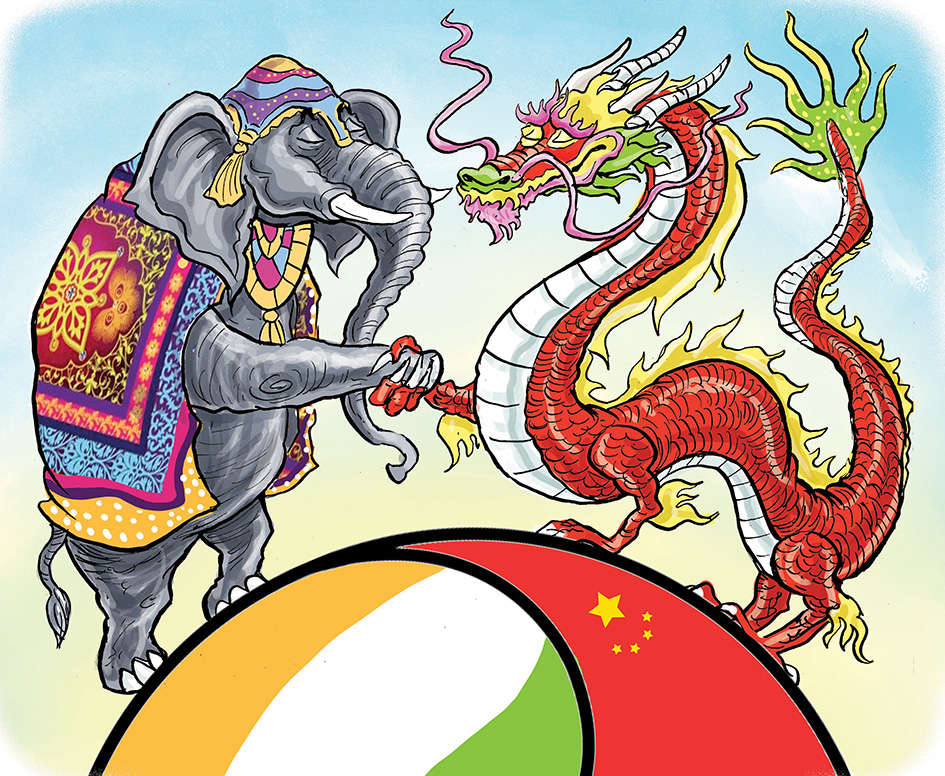
The Dragon and the Elephant
Symbolism
In Chinese culture, the dragon symbolizes power, strength, and prosperity. Conversely, the elephant, especially in Indian symbolism, embodies wisdom, strength, and calm. This imagery not only highlights the contrasting characteristics of the two nations but also emphasizes their unique positions on the global stage.
The Tango Metaphor
The “tango” suggests a dance that requires coordination and mutual understanding. For India and China, this dance is essential to navigate the complexities of their relationship, characterized by competition, cooperation, and occasional tensions. The metaphor implies that both nations must learn to move in synchrony to achieve shared goals while respecting their distinct identities.
Historical Context
Diplomatic Relations
India and China share a long history that dates back centuries, marked by cultural exchange and trade. However, the modern era has been fraught with challenges, including the Sino-Indian War of 1962, border disputes, and differing geopolitical ambitions. Despite these obstacles, the two nations have made efforts to engage through various channels, entering agreements aimed at fostering trade, cultural exchange, and dialogue to resolve conflicts.
Recent Developments
In recent years, India and China have faced new challenges, including territorial disputes in the Himalayas and growing geopolitical tensions in the Indo-Pacific region. The COVID-19 pandemic prompted both nations to reassess their priorities and strengthen internal resilience while seeking common ground for collaboration in areas such as economics and environmental issues.
Key Themes in Xi’s Message
1. Cooperation and Collaboration
Xi Jinping’s message underscores the necessity for India and China to seek cooperation over conflict. Both nations carry significant weight in shaping regional and global policies, particularly in trade, technology, and crisis management. Strengthening bilateral economic ties can lead to mutual benefits, paving the way for increased trade and investment opportunities.
2. Dialogue and Conflict Resolution
The emphasis on dialogue reflects an understanding that effective communication is crucial for mitigating misunderstandings. Xi reiterated the importance of establishing robust mechanisms for regular communication to address border disputes and other contentious issues. By fostering constructive dialogue, both nations can work toward a more stable and amicable relationship.
3. Shared Goals and Development
Xi’s “Dragon-Elephant tango” metaphor also points to the myriad opportunities for collaboration, particularly in sustainable development, climate change mitigation, and poverty alleviation. Both India and China, as emerging economies with large populations, face significant challenges in these areas and can benefit from collaborative initiatives that leverage their respective strengths.
The Path Forward
Building Trust
Building trust is paramount for the successful execution of the “tango.” Both nations must engage in transparent communication, avoid unilateral actions that could escalate tensions, and acknowledge each other’s concerns. Building confidence can create a conducive environment for cooperation.
Multi-level Engagement
Engagement at different levels—governmental, economic, and people-to-people—can enhance mutual understanding. Cultural exchanges, educational collaborations, and joint initiatives in technology and research can help build bridges between the two nations.
Emphasizing Regional Stability
A stable India-China relationship is not only beneficial for the two nations but vital for regional peace and security in Asia. By presenting a united front on global issues like climate change and sustainable development goals, they can significantly influence international policies and practices.
Conclusion
Xi Jinping’s “Dragon-Elephant tango” message to President Murmu encapsulates a vision for a harmonious and cooperative future for India and China. While challenges persist, the metaphor serves as a reminder that through understanding, respect, and collaborative effort, both nations can create a conducive atmosphere that allows them to thrive together on the global stage. The evolution of the “tango” will ultimately depend on the willingness of both leaders to embrace their roles in this intricate dance of diplomacy.









 BoldVoices.in
Leave a comment