
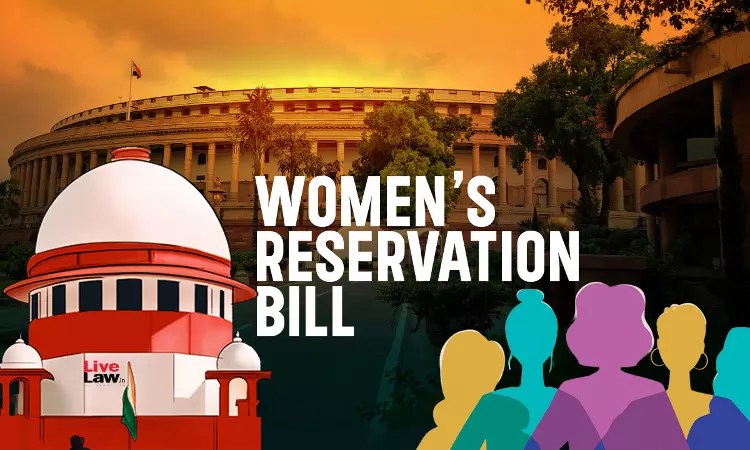
The Women’s Reservation Bill, known formally as the Constitution (108th Amendment) Bill, is a significant legislative proposal aimed at reserving one-third (33%) of seats for women in the Lok Sabha (the lower house of India’s Parliament) and state legislative assemblies. Despite being introduced multiple times since 1996, the bill has seen prolonged debates and discussions, highlighting both support and opposition among various stakeholders. This article delves into the historical context, key provisions, implications, and challenges associated with the Women’s Reservation Bill in India.
Historical Context
The need for women’s representation in politics is a long-standing issue in India. Historically, women have been underrepresented in political spheres, largely due to various socio-cultural barriers and traditional gender roles. The Indian Constitution, while ensuring equality and prohibiting discrimination, did not initially have provisions specifically aimed at increasing women’s political representation.
The discussions around women’s reservation began gaining momentum post the 1990s when various committees recognized the need for women’s increased involvement in governance. The 73rd and 74th Amendments in 1992 provided for one-third reservation for women in local bodies (panchayati raj institutions and municipalities) but did not extend this reservation to the Parliament and state legislatures.
Key Provisions of the Women’s Reservation Bill
Reservation of Seats
The core provision of the Women’s Reservation Bill is to reserve 33% of seats for women in the Lok Sabha and state legislative assemblies. This quota would apply to all constituencies, ensuring equitable representation across various states and regions.
Criteria for Reservation
- Transitional Provisions:
The bill includes provisions that ensure that seats reserved for women in Lok Sabha and state assemblies will not be considered “certain reserved” when the partial reservation is in place. - Rotational System:
To ensure fair representation, the reserved seats for women are proposed to be rotated among various constituencies in subsequent elections. - Reserved Seats in Local Bodies:
The bill sets a precedent for increasing female representation in local governance bodies, encouraging political engagement at all levels.
Legal Framework
The bill seeks to amend Article 334 of the Indian Constitution, which pertains to the reservation of seats for Scheduled Castes and Scheduled Tribes. It aims to include the provision for women’s reservation, showcasing a commitment to gender equality in political representation.
Implications of the Bill
Empowerment of Women
The introduction of the Women’s Reservation Bill is viewed as a pivotal move toward empowering women in India. By ensuring representation in governance, women can actively participate in policy-making processes, advocating for issues that affect their lives directly, such as health, education, and social welfare.
Enhanced Gender Equality
With more women in legislative positions, the bill is expected to bring gender-sensitive perspectives to policy-making. This could lead to the formulation of laws that promote gender equality, address discrimination, and uphold the rights of women.
Role Model Effect
The representation of women in prominent political positions may inspire future generations of women to engage in politics, thereby cultivating a culture of active participation and leadership.
Challenges and Opposition
Despite its potential benefits, the Women’s Reservation Bill has faced significant opposition and challenges:
Political Divide
Political parties in India have shown varied support for the bill. While some endorse gender quotas as a step towards equality, others express concerns about tokenism and the effectiveness of the bill in genuinely empowering women. Diverse perspectives within major political parties often lead to stalemates in legislative discussions.
Concerns about Implementation
Critics argue that mere reservation will not ensure true empowerment of women unless coupled with initiatives for education, social awareness, and economic independence. There is a strong need for comprehensive policies that support women aspiring to enter politics.
The Question of Background
There are debates about whether reservation should also consider socio-economic backgrounds, including caste and class. Some voices call for a more intersectional approach to reservation that addresses multiple layers of discrimination faced by women.
Current Status of the Bill
As of now, the Women’s Reservation Bill has not been passed into law. While it has garnered significant public support and discussions at various political forums, frequent interruptions in legislative processes and shifting political priorities have hindered its progression. The bill was last introduced in Parliament in 2010 and has undergone several modifications based on suggestions from different stakeholders.
Public Support and Advocacy
Various women’s rights organizations and activists have tirelessly campaigned for the passage of the bill, advocating for increased awareness and mobilization around the importance of women’s representation. Social media campaigns and grassroots movements have played a vital role in rekindling interest in the bill and pushing for legislative action.
Conclusion
The Women’s Reservation Bill stands at the intersection of gender equality and political reform in India. While it carries the promise of enhancing women’s representation in governance, the journey toward its enactment reflects the complexities of the political landscape and societal attitudes toward women’s roles.
For the Women’s Reservation Bill to become a reality, it requires not only legislative backing but also a collective societal effort to dismantle barriers that thwart women’s political participation. Commitments to gender equality, public awareness, and fostering a supportive environment for women leaders are crucial in turning the vision of the Women’s Reservation Bill into a practical reality. With continued advocacy and dialogue, there lies a hope for a more inclusive future in Indian politics.







 BoldVoices.in
Leave a comment