
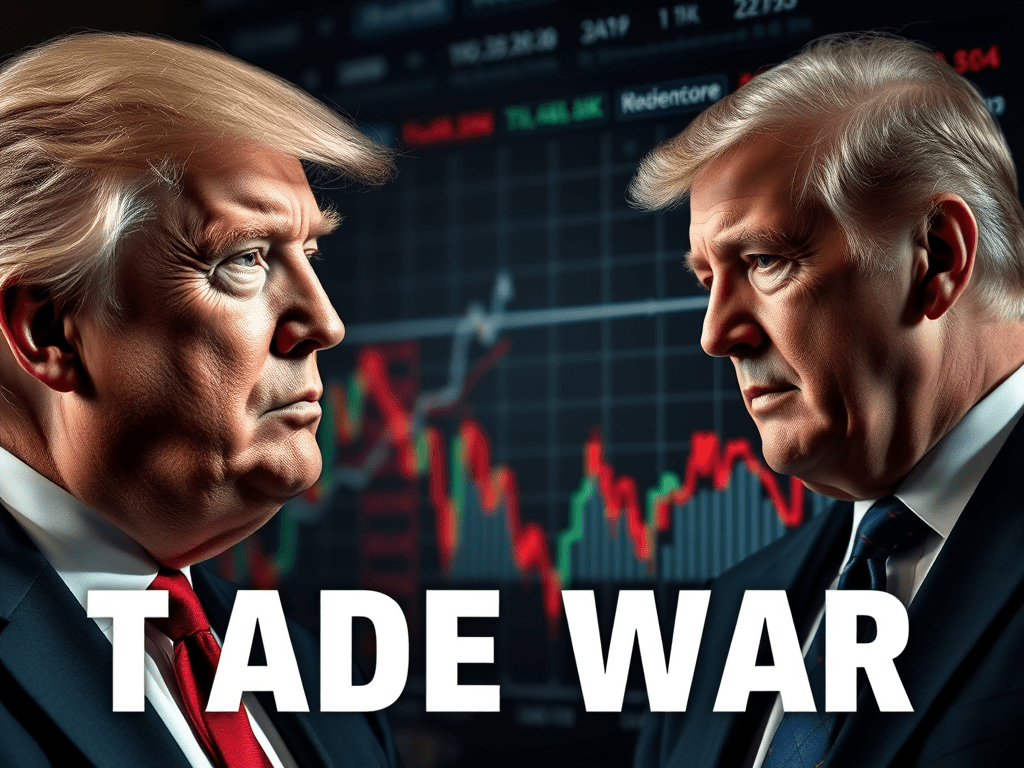
The trade war instigated by former U.S. President Donald Trump marked a significant shift in global trade relations, one that has had far-reaching implications beyond the United States. For the United Kingdom, the consequences of this trade turbulence could potentially lead the economy towards a recession. This article examines the various factors at play.


1. Increased Tariffs and Trade Barriers
The Trump administration’s imposition of tariffs, especially on Chinese goods, created a ripple effect throughout global trade. Countries relied heavily on exports faced increased costs, which could ultimately lead to higher prices for consumers. For the UK, as a nation that relies on international trade, particularly with both the EU and the U.S., these escalating tariffs threaten to weaken the value of its exports.
Impact on Key Industries
- Automotive: The UK’s automotive industry, which is significantly integrated into global supply chains, faces challenges from tariffs on parts and vehicles exported to the U.S.
- Agriculture: British farmers could find it increasingly difficult to trade with both the U.S. and the EU if trade barriers become more prominent, hurting livelihoods and food prices domestically.
2. Uncertainty in Economic Forecasts
The trade war created an environment of uncertainty. Businesses, unsure of future demand and the rules of engagement in trade, may hold back on investments. The UK, looking to stabilize its economy post-Brexit, can’t afford a slowdown in business expansions and new projects.
Investment Slowdown
Investors typically seek stability in their markets. With tensions between major economies on the rise and no clear resolution in sight, foreign direct investment in the UK may dwindle, negatively impacting job creation and economic growth.
3. Currency Fluctuations
In response to trade tensions, currency markets can react strongly. The British pound could face further depreciation as investors seek safer assets. A weaker pound can initially bolster exports by making them cheaper on the international market, but sustained devaluation can lead to inflation, eroding purchasing power for consumers.
Inflationary Pressures
As the cost of imports rises, consumers and businesses may confront inflationary pressures. Higher prices can curtail spending, which may lead to decreased demand in the economy and ultimately result in recessionary conditions.
4. Trade Diversion Effects
While the UK may seek to diversify its trade partners post-Brexit, the trade war complicates these plans. The UK’s reliance on a few key markets means that disruptions in trade relations can have disproportionate outcomes. Furthermore, aligning with nations embroiled in the trade war may lead to retaliatory tariffs and further economic strain.
Complicated Trade Agreements
Negotiating new trade agreements, particularly in the context of a trade war, becomes increasingly complex. Potential partners may be more cautious in approaching deals with the UK fearing geopolitical repercussions.
5. The Ripple Effects of Global Economic Slowdown
As major economies grapple with the outcome of the trade war, a slowdown in global economic growth becomes apparent. The interconnectedness of economies means that when significant players like the U.S. and China falter, countries relying on them—including the UK—may also experience downturns.
Global Supply Chains
Many businesses in the UK depend on a stable global supply chain. Instabilities caused by a trade war can lead to delays and increased costs, adversely affecting UK-based operations and ultimately slowing productivity.
Conclusion
The ramifications of the Trump trade war extend beyond the immediate country of origin. For the UK, the consequences manifest in various forms, from increased tariffs and investment fluctuations to inflationary pressures and global economic uncertainties. As the UK navigates its post-Brexit reality, understanding the ripple effects of international trade policies, especially those initiated by major players like the U.S., is crucial in forecasting economic stability and growth. If these challenges remain unaddressed, the potential for recession looms on the horizon.









 BoldVoices.in
Leave a comment