
Introduction
The #BlackLivesMatter movement emerged in 2013 as a response to the acquittal of George Zimmerman in the shooting death of unarmed Black teenager Trayvon Martin. Since then, it has grown into a global phenomenon, bringing attention to issues of systemic racism, police brutality, and racial inequality. This article explores the history, goals, and impact of the movement, as well as the discussions surrounding systemic racism that have gained prominence in recent years.
History of the Movement
The Genesis of #BlackLivesMatter
The phrase “Black Lives Matter” was first coined by activist Alicia Garza in a Facebook post after Martin’s death. Together with Opal Tometi and Patrisse Cullors, Garza co-founded the #BlackLivesMatter Global Network, which aimed to promote the idea that Black lives are valuable and deserve the same level of respect and rights as any other lives.
Key Events
The movement gained national attention following several high-profile incidents of police violence against Black individuals, including:
- Michael Brown in Ferguson, Missouri.
- Eric Garner in New York City.
- Walter Scott in South Carolina.
- George Floyd in Minneapolis.
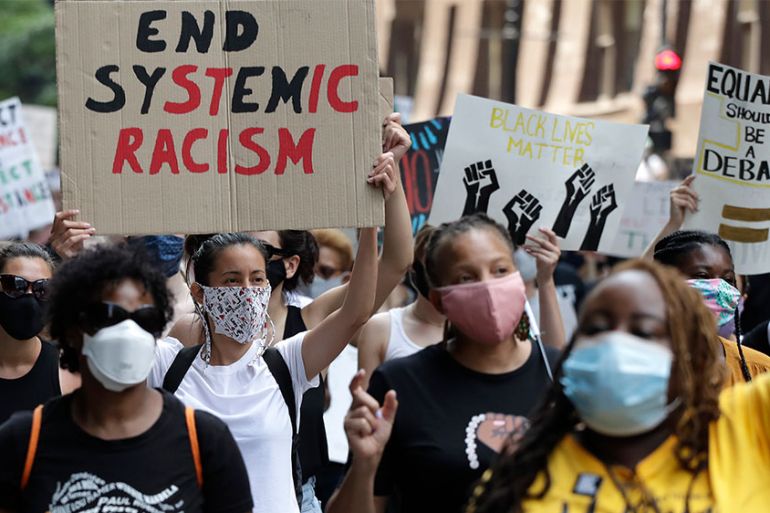
Each of these cases ignited protests, bringing large numbers of people to the streets to demand justice and accountability. The shooting of George Floyd in May 2020, in particular, led to a wave of protests across the globe, with millions participating in demonstrations under the #BlackLivesMatter banner.
Goals of #BlackLivesMatter
Racial Justice
At its core, the #BlackLivesMatter movement seeks to address the systemic injustices that affect Black communities. This includes advocating for policies that promote equity in areas such as:
- Criminal Justice Reform: Addressing police violence and promoting fair treatment in the legal system.
- Economic Justice: Fighting against economic disparities and advocating for better job opportunities and wages for Black individuals.
- Voting Rights: Ensuring that all individuals have equal access to the electoral process and that voter suppression tactics are challenged.
Community Engagement
The movement also emphasizes the importance of community engagement and grassroots activism. Local chapters have sprung up across the nation, focusing on issues uniquely affecting their communities while remaining aligned with the overall goals of the movement.
Top Cases of Black Lives Matter in the USA
The #BlackLivesMatter movement has been galvanized by several high-profile cases of police violence and systemic racism, sparking national conversations and widespread protests. Here are some of the most significant cases that have shaped the movement:
1. Trayvon Martin (2012)
The unarmed teenager was shot by George Zimmerman in Sanford, Florida, after being confronted while walking home from a convenience store. Zimmerman’s acquittal in 2013 ignited public outrage and led to the founding of the #BlackLivesMatter movement.
2. Michael Brown (2014)
Brown was shot and killed by Officer Darren Wilson in Ferguson, Missouri. His death sparked protests and riots, as well as a national conversation about police use of force, leading to the Ferguson unrest and widespread calls for reform.
3. Eric Garner (2014)
Garner died in New York City after being placed in a chokehold by police during an arrest for allegedly selling loose cigarettes. His last words, “I can’t breathe,” became a rallying cry for the movement, highlighting issues of police brutality and racial profiling.
4. Tamir Rice (2014)
The 12-year-old was shot by a police officer while playing with a toy gun in a playground in Cleveland, Ohio. His death raised questions about the treatment of young Black individuals in America and the perceived threat they face.
5. Philando Castile (2016)
Castile was shot during a traffic stop in Falcon Heights, Minnesota, despite informing the officer that he was legally carrying a firearm. His death was filmed by his girlfriend and shared on social media, fueling outrage and protests calling for accountability in law enforcement.
6. Alton Sterling (2016)
Sterling was fatally shot by police in Baton Rouge, Louisiana, while being pinned down. The incident was recorded and went viral, leading to protests and calls for justice against police violence.
7. George Floyd (2020)
Floyd died after former officer Derek Chauvin knelt on his neck for over nine minutes during an arrest in Minneapolis. This case sparked an unprecedented global movement, with millions protesting against racial injustice and police brutality, leading to widespread calls for reform.
8. Breonna Taylor (2020)
Taylor was shot and killed by police during a botched raid on her apartment in Louisville, Kentucky. Her death highlighted issues surrounding no-knock warrants and police accountability, further fueling the #BlackLivesMatter movement.
These cases, among others, have played a crucial role in bringing attention to systemic racism and police violence in the United States. They serve as reminders of the urgent need for reform and justice, and the ongoing struggle for racial equality.
Systemic Racism Discussions
Definition of Systemic Racism
Systemic racism refers to the ingrained policies and practices within institutions that perpetuate racial inequality. It can manifest in various forms, including discriminatory laws, biased policing practices, and unequal access to education and healthcare.
Raising Awareness
The #BlackLivesMatter movement has played a crucial role in raising awareness about the impacts of systemic racism. The movement has encouraged conversations about privilege, bias, and the historical context of racial oppression in the United States and beyond.
Recent Dialogues
Post-2020, discussions around systemic racism have intensified, with more individuals and organizations acknowledging the need for comprehensive reforms. Conversations have expanded into various sectors, including:
- Education: Addressing curriculum biases and advocating for inclusive teaching practices.
- Healthcare: Recognizing the disparities in health outcomes for Black Americans and pushing for equitable healthcare access.
- Corporate Responsibility: Urging businesses to confront their own role in perpetuating inequality and to take meaningful actions towards diversity and inclusion.
Conclusion
The #BlackLivesMatter movement has reshaped the conversation about race in America and around the world. It has galvanized activists, educated the public, and prompted discussions that challenge the status quo. As efforts to combat systemic racism continue, the movement serves as a vital reminder that the fight for racial justice is ongoing and requires collective action from individuals, communities, and institutions alike.







 BoldVoices.in
Leave a comment