
Introduction
Globalization significantly influences the economic landscape of nations, and the United States, as one of the largest economies in the world, plays a pivotal role in shaping international trade policies. Understanding U.S. trade policies in the context of globalization is vital for grasping how economic interdependence affects domestic and international relations. This paper examines key facets of U.S. trade policies, their evolution, and their implications for globalization.
Historical Context of U.S. Trade Policies
Early Trade Policies
The foundation of U.S. trade policy can be traced back to the late 18th and early 19th centuries. The country initially adopted a mercantilist approach aimed at protecting nascent industries through tariffs and restrictions on imports. Early federal policies included the Tariff of 1789, which aimed to bolster federal revenue and protect American manufacturing.
The Tariff System
Throughout the 19th century, tariffs fluctuated dramatically, reflecting the political climate and economic conditions. The Civil War era saw increased tariffs to fund the war effort, leading to a more protectionist stance. However, post-war, the U.S. moved towards reducing tariffs in the late 1800s, driven by industrial expansion and the need to secure international markets.
The Great Depression and Protectionism
The onset of the Great Depression in the 1930s marked a significant regression in U.S. trade policies. The Smoot-Hawley Tariff Act of 1930 raised tariffs on over 20,000 imported goods to protect American industries. However, it led to retaliatory tariffs from other nations, exacerbating the global economic situation.
Post-World War II Trade Agreements
Following World War II, the U.S. adopted a more open trade policy to foster global economic recovery. Key initiatives included the GATT (General Agreement on Tariffs and Trade) established in 1947, which aimed to reduce tariffs and encourage international trade. The U.S. also established the International Monetary Fund (IMF) and the World Bank to stabilize global economies.
Contemporary U.S. Trade Policies
The North American Free Trade Agreement (NAFTA)
In 1994, the U.S. implemented NAFTA, a trilateral trade agreement between the U.S., Canada, and Mexico. NAFTA aimed to eliminate trade barriers and foster economic cooperation in North America. Its impact was significant, leading to increased trade volumes but also debates on job losses in certain industries.
The World Trade Organization (WTO)
The establishment of the WTO in 1995 marked a new era in global trade. The U.S. played a central role in its formation, endorsing a rules-based approach to trade. The WTO seeks to facilitate trade negotiations, resolve trade disputes, and enhance transparency in trade policies. However, the U.S. has faced challenges within the WTO, particularly regarding agricultural subsidies and intellectual property rights.
Recent Developments: Tariffs and Trade Wars
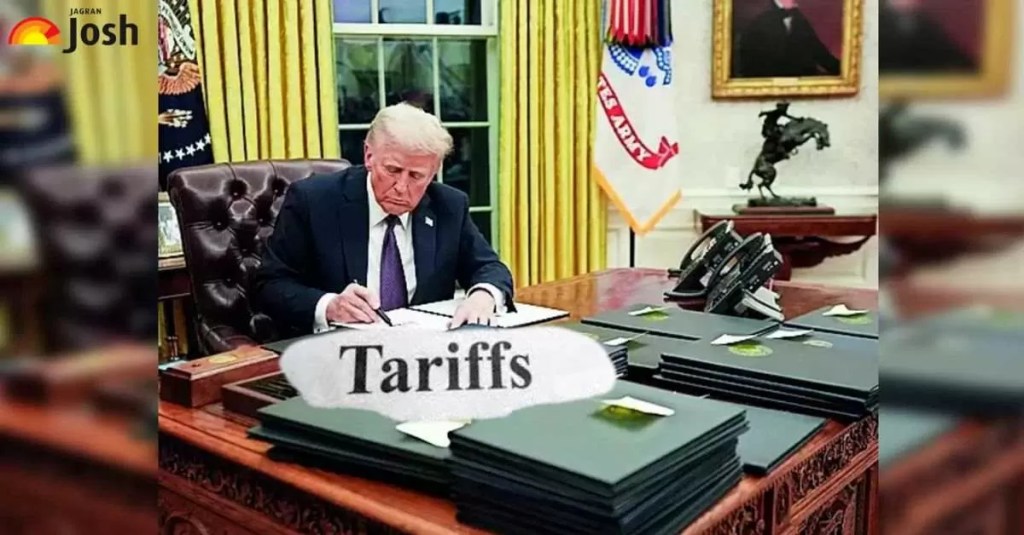
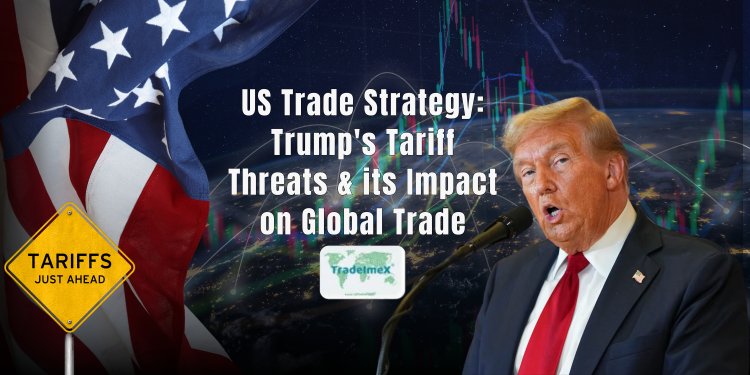
In recent years, U.S. trade policy has seen a shift towards protectionism under the Trump administration. The imposition of tariffs on steel, aluminum, and various goods from China aimed to protect American industries and reduce trade deficits. This shift sparked a trade war, resulting in retaliatory tariffs and complications in trade relations.
The Biden Administration’s Approach
The Biden administration has taken a somewhat different approach to trade, focusing on multilateralism and rebuilding alliances. However, issues regarding China, supply chain resilience, and national security remain central to U.S. trade discussions. The administration seeks to balance economic interests with labor and environmental considerations.
Globalization and Its Impact on U.S. Trade Policies
Economic Interdependence
Globalization has led to greater economic interdependence among nations, fundamentally altering trade dynamics. U.S. trade policies must consider the interconnectedness of global markets, where supply chains span multiple countries. This reality complicates traditional protectionist strategies, as industries often rely on imported goods and materials.
Labor Markets and Trade Policies
Globalization has had profound implications for labor markets in the U.S. While it has created opportunities in some sectors, it has also resulted in job losses in manufacturing, leading to calls for policies that protect domestic workers. Trade agreements must address labor rights and standards to maintain social equity amidst the pressures of globalization.
Trade Agreements and Economic Growth
U.S. trade policies have evolved to encompass a range of free trade agreements (FTAs) that facilitate economic growth. These agreements stimulate trade by reducing tariffs and fostering regulatory cooperation. However, they also prompt debates about their long-term effects on local economies and industries.
Technology and Trade
The rapid advancement of technology is reshaping global trade. E-commerce, digital trade, and innovations in logistics have transformed how businesses operate across borders. U.S. trade policies must adapt to these changes to ensure competitiveness in the global market.
Challenges Facing U.S. Trade Policies
Trade Deficits
The U.S. has consistently run trade deficits, particularly with countries like China. Critics argue that these deficits indicate an unbalanced trade relationship that undermines domestic industries. Addressing trade imbalances has become a priority for policymakers.
Intellectual Property Rights
Intellectual property (IP) rights remain a contentious issue in U.S. trade policy. The protection of IP is crucial for fostering innovation, but conflicts arise when other nations adopt lax enforcement practices. U.S. trade agreements increasingly incorporate IP provisions to safeguard American interests.
Environmental Concerns
Globalization raises environmental challenges, particularly as trade liberalization can lead to increased pollution and resource depletion. U.S. trade policies are increasingly incorporating environmental standards within agreements to promote sustainable practices.
National Security and Trade
National security considerations have become integral to U.S. trade policies. Supply chain vulnerabilities, particularly highlighted during the COVID-19 pandemic, have led to reevaluations of reliance on foreign suppliers for critical goods. Policymakers must balance trade relationships with national security concerns.
The Future of U.S. Trade Policies in a Globalized World
Embracing Multilateralism
To address the challenges of globalization, U.S. trade policies must embrace a multilateral approach. Rebuilding alliances and participating in international forums can enhance cooperation and ensure that U.S. interests are represented on the global stage.
Addressing Social Equity
Future trade policies must also consider social equity. Policymakers should prioritize programs that retrain workers displaced by globalization and ensure fair labor practices in trade agreements. This approach can help mitigate the negative impacts of trade while promoting economic growth.
Adapting to Technological Advances
As technology continues to evolve, U.S. trade policies must adapt to ensure competitiveness. This includes addressing regulatory challenges related to digital trade, data privacy, and cybersecurity.
Navigating Geopolitical Tensions
Geopolitical tensions, particularly with China and other emerging economies, will shape the future of U.S. trade policies. A strategic approach that balances competition with cooperation may be essential to navigating these complexities.
U.S. Trade Policies and Globalization in 2025
Introduction
As we approach 2025, the interplay between U.S. trade policies and globalization continues to evolve, influenced by technological advancements, geopolitical dynamics, and shifting economic priorities. Understanding the current trajectory of these policies is essential for grasping their implications for both domestic and international economic landscapes. This exploration assesses the anticipated developments in U.S. trade policies within the context of a rapidly globalizing world.
Current Landscape of U.S. Trade Policies
Increasing Emphasis on Multilateralism
In recent years, there has been a noticeable shift towards multilateral trade agreements, reflecting a recognition of the interconnectedness of global markets. By 2025, we can expect the U.S. to deepen its engagement with international trade organizations and pursue comprehensive trade agreements that address a broad spectrum of issues, including labor rights, environmental standards, and digital trade regulations.
Innovations in Digital Trade
With the acceleration of digital transformation, U.S. trade policies are increasingly focusing on e-commerce and digital trade. Policymakers are likely to implement regulations that promote interoperability and data flows across borders while ensuring security and privacy standards are met. The goal will be to support American businesses in a digital-first global economy.
Economic Implications of Globalization
Supply Chain Resilience
The COVID-19 pandemic highlighted vulnerabilities in global supply chains, driving the U.S. to prioritize resilience in trade policies. By 2025, expect initiatives aimed at diversifying supply sources and localizing key manufacturing sectors, particularly in technology and pharmaceuticals. This will include incentives for reshoring critical industries to enhance national security.
Labor Market Adaptations
As globalization reshapes the labor market, U.S. trade policies will increasingly address the need for worker retraining programs. By 2025, anticipated policies will focus on supporting displaced workers through education and skill development initiatives that prepare them for emerging industries, particularly in technology and renewable energy sectors.
Addressing Environmental Concerns
Environmental standards will play a crucial role in shaping U.S. trade policies by 2025. Policymakers are expected to incorporate more stringent environmental considerations into trade agreements, aiming to align economic growth with sustainable practices. Collaborative efforts to combat climate change will be essential components of future trade negotiations.
Navigating Geopolitical Challenges
U.S.-China Relations
Ongoing geopolitical tensions, particularly with China, will significantly influence U.S. trade policies through 2025. Leaders may seek to establish strategic partnerships with allies to counterbalance China’s economic influence. Expect a focus on technology transfer, intellectual property protections, and tariffs that protect domestic industries while promoting competitive fairness.
Engagement with Emerging Markets
As traditional power dynamics shift, the U.S. is likely to increase its engagement with emerging markets, promoting fair trade practices and strengthening economic ties. By fostering partnerships with countries in Southeast Asia, Africa, and Latin America, the U.S. can create new avenues for trade that elevate its position in the global economy.
U.S. trade policies in 2025 will be characterized by their responsiveness to the challenges of globalization. With a focus on multilateralism, digital advancements, supply chain resilience, and environmental sustainability, policymakers will need to navigate the complexities of a rapidly changing economic landscape. Addressing labor market impacts and geopolitical tensions will further shape the trajectory of U.S. trade in an interconnected global economy. By embracing an adaptable and inclusive approach, the United States can strengthen its leadership position in global trade while ensuring economic growth and equity for all its citizens.
Conclusion
U.S. trade policies are intricately linked to the processes of globalization. From early mercantilist strategies to contemporary multilateral agreements, the evolution of these policies reflects changing economic realities and global interdependence. Moving forward, U.S. trade policies must adapt to technological advancements, social equity considerations, and geopolitical challenges to foster sustainable economic growth within an increasingly interconnected world. Embracing a proactive and inclusive approach will be vital for the United States to maintain its leadership in global trade while ensuring equitable outcomes for its citizens.










 BoldVoices.in
Leave a comment