
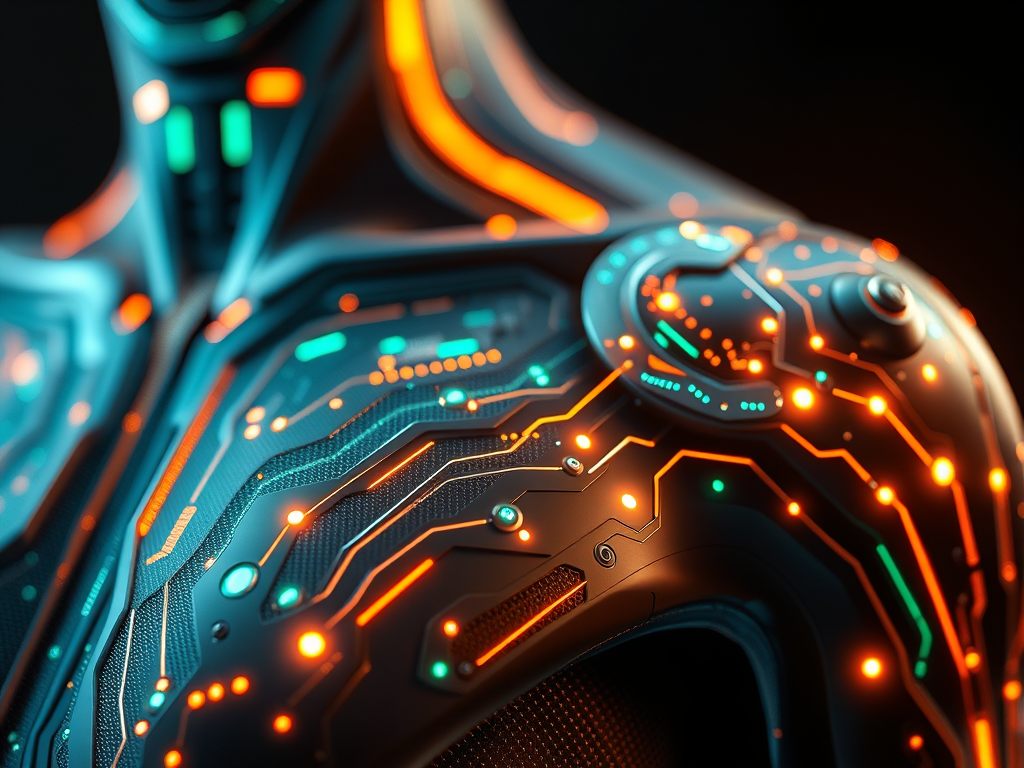
In a world increasingly dominated by technology, the quest for enhancing the capabilities of robots and the interactions we have with them continues to advance. One of the most promising innovations in this field is the development of electronic skin (e-skin), which provides robots with the ability to “feel” magnetically. This revolutionary technology not only equips machines with sensory-like capabilities but also introduces the potential for touchless interactions between humans and robots.
A group of researchers at a laboratory in Germany has created a novel electronic skin (e-skin) capable of detecting and tracking magnetic fields.
This cutting-edge technology distinguishes itself from earlier versions by employing a single sensor for its operation.
By simulating the way human skin communicates with the brain, this e-skin demonstrates improved energy efficiency compared to previous models that relied on multiple sensors and electronic components.
Understanding E-Skin Technology
What is E-Skin?
E-skin, or electronic skin, is a flexible, tactile material embedded with sensors that mimic the human sense of touch. Unlike traditional robotic sensors that rely on direct contact, advanced e-skin technology utilizes magnetic fields to detect and respond to nearby objects and environmental changes. This capability enables robots to perceive their surroundings more dynamically and interact with them accordingly.
Mechanism of Action
The e-skin is designed with an array of magnetic sensors that can detect the presence, distance, and movement of magnetic objects. When a magnetic field is in proximity to the e-skin, it activates the sensors, allowing the robot to interpret the data. This is achieved through advanced algorithms that translate the sensor readings into actionable feedback, enabling the robot to adapt its behavior and movements in real-time.
Implications for Robotics
Enhanced Sensory Capabilities
The integration of e-skin technology into robotic systems significantly enhances their operational capabilities. Robots equipped with magnetic e-skin can:
- Navigate complex environments with improved accuracy.
- Interact with various objects without the need for direct contact.
- Adapt to changing surroundings by ‘feeling’ objects, which mimics human tactile responsiveness.
Increased Autonomy
With the ability to “feel,” robots can make more autonomous decisions. They can gauge when to approach an object, how to manipulate it, or even when to avoid it based on the magnetic signals they receive. This autonomy is particularly useful in applications such as warehouse automation, where robots can work alongside humans in a more predictable and safe manner.
Touchless Interaction for Humans
Revolutionizing User Interfaces
One of the standout features of this magnetic e-skin technology is its capacity to facilitate touchless interactions. The following are some key benefits:
- Hygienic Solutions: In spaces where hygiene is paramount—such as hospitals and food service areas—touchless interaction reduces the risk of germ transmission. Users can control devices and interfaces through gestures instead of touching surfaces.
- Accessibility: This technology presents an opportunity to improve accessibility for individuals with disabilities. Touchless controls can empower users to engage with technology in ways that traditional interfaces may not support.
Practical Applications
The potential applications for touchless interaction are diverse:
- Healthcare: Surgeons can use gesture-based controls in operating rooms, minimizing contamination risks during procedures.
- Smart Homes: Home automation systems can allow users to control lights, appliances, and entertainment systems merely by gesturing, creating a more user-friendly environment.
- Public Spaces: Interactive displays in museums or exhibitions can respond to visitor movements without physical contact, making experiences more engaging and informative.
Future Prospects
Looking ahead, the intersection of magnetic e-skin technology and robotics holds exciting promise. Researchers are exploring:
- Integration with AI: Incorporating artificial intelligence could further enhance the robot’s decision-making capabilities, allowing for context-aware interactions based on the environment.
- Wider Adoption: As the technology matures, we may see broader applications across various industries, from industrial automation to consumer electronics.
- Advanced Materials: Future developments may focus on creating even more responsive and adaptable materials, enhancing the sensory feedback mechanisms that the e-skin provides.
Conclusion
The ability of e-skin to enable robots to feel magnetically alters our perception of how machines can interact with the world and with us. This technology not only enhances robotic capabilities but also transforms our interactions, paving the way for a future where touchless interfaces are commonplace and our relationship with technology is more intuitive. As research progresses, we can expect this innovative e-skin technology to play a pivotal role in shaping the next generation of robotic systems and human-computer interactions.










 BoldVoices.in
Leave a comment