
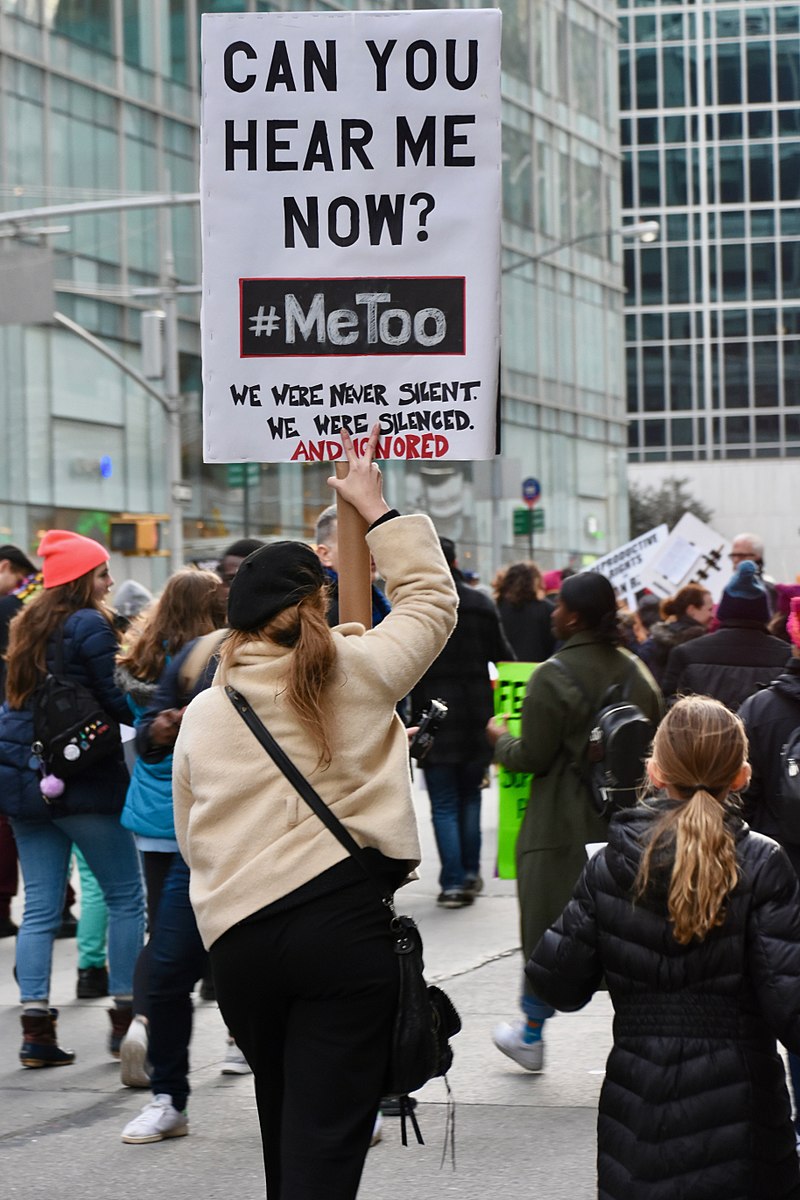
The MeToo movement, which gained global prominence in late 2017, has sparked essential conversations around sexual harassment and assault across various sectors, including entertainment, politics, and workplaces. As new allegations continue to surface, the movement remains a pivotal force in advocating for change, accountability, and justice for survivors.
Origins of the MeToo Movement
Founded by activist Tarana Burke in 2006, the MeToo movement initially aimed to support survivors of sexual violence, particularly marginalized women. The hashtag #MeToo gained traction in October 2017 when actress Alyssa Milano encouraged women to share their stories on social media in response to allegations against Hollywood producer Harvey Weinstein. This momentous surge revealed the extensive scope of sexual misconduct affecting individuals across all industries.
Recent Allegations in Entertainment
In the entertainment industry, the MeToo movement has prompted numerous high-profile investigations and legal actions. Figures such as Kevin Spacey, Louis C.K., and Joss Whedon have faced renewed scrutiny as more allegations come to light.
In recent months, new claims have emerged against various actors and producers, revealing a persistent culture of intimidation and abuse. This ongoing exposure emphasizes the importance of not only addressing past behavior but also implementing systemic changes to create safer environments for all.
Impact on Creative Spaces
Beyond high-profile cases, the movement has inspired many to speak out about their personal experiences, shedding light on the widespread nature of harassment in creative environments. Performers, writers, and behind-the-scenes personnel are increasingly aware of the power dynamics that perpetuate misconduct, leading to calls for better industry policies and training.
Political Landscape and MeToo
The MeToo movement has also infiltrated the political arena, leading to the resignation and ousting of various political figures accused of sexual misconduct. In 2021, new allegations surfaced against prominent politicians, reigniting discussions about accountability in leadership positions.
Political campaigns have since been shaped by candidates’ responses to MeToo allegations, with many emphasizing their commitment to supporting victims and reforming policies related to sexual harassment. This shift has encouraged broader societal discussions about the representation of women in politics and the need for safe environments.
Workplaces and Corporate Responsibility
In workplaces across various sectors, the repercussions of the MeToo movement are palpable. Many companies have overhauled their harassment policies, implemented training programs, and established reporting systems. As new allegations arise, organizations are under increasing pressure to ensure that they foster an inclusive and safe work culture.
Legal Reforms
Legislation has also evolved in response to the movement. Several states have introduced or expanded laws regarding workplace harassment, making it easier for victims to pursue legal action. This legislative change underscores the importance of not only addressing individual cases but also recognizing institutional issues that allow harassment to persist.
The Road Ahead
As the MeToo movement continues to evolve, it faces both challenges and opportunities. The public conversation is critical in holding perpetrators accountable and ensuring that victims are heard and supported. Additionally, ongoing activism is necessary to promote lasting change in cultural attitudes toward harassment and abuse.
Media coverage of the #MeToo movement has played a crucial role in bringing attention to issues of sexual harassment and assault across various sectors. From its rise in late 2017, the movement has been significantly shaped by how news outlets report on high-profile allegations, survivor stories, and the systemic changes that follow. Here’s an overview of the media’s impact on the #MeToo movement:
Amplifying Survivor Voices
The media has been instrumental in giving a platform to survivors, allowing their stories to be heard and validated. Major publications and news outlets have featured articles, interviews, and personal accounts that reveal the pervasive nature of sexual misconduct. This exposure has encouraged more individuals to come forward with their experiences, fostering a culture of openness and support.
Investigative Reporting
Investigative journalism has uncovered many allegations within industries like entertainment, politics, and corporate sectors. Reports by reputable media organizations have led to essential discussions about accountability, prompting investigations and legal actions against accused individuals. Notable examples include the exposé on Harvey Weinstein by The New York Times and The New Yorker, which helped catalyze the #MeToo movement.
Shaping Public Discourse
Media coverage has shaped public opinion by framing narratives around the movement. Discussions around consent, workplace culture, and the dynamics of power have become more prevalent in mainstream dialogue. The media has also highlighted the importance of intersectionality, emphasizing the experiences of marginalized groups and how their stories differ within the broader context of #MeToo.
Criticism and Challenges
While media coverage has largely been positive in raising awareness, it has also faced criticism. Some argue that sensationalism can overshadow the nuances of each case, and there are concerns about due process for the accused. Furthermore, the media’s portrayal of survivors can sometimes lead to victim-blaming or trivialization of their experiences.
Social Media’s Role
Social media platforms have provided an avenue for real-time discussion and sharing of experiences, further complementing traditional media coverage. Hashtags like #MeToo have gone viral, creating a global digital movement that has transcended geographical boundaries. The interactive nature of social media allows for a more personal connection to the movement, fostering community support and solidarity.
Impact on Policy and Legislation
Coverage of the #MeToo movement has led to significant discussions around policy changes and legal reforms. News reports on accountability measures within workplaces, discussions of legislative reforms concerning harassment laws, and suggestions for creating safer environments have all been fueled by the media’s investigative efforts and public discourse.
Conclusion
The media’s coverage of the #MeToo movement has been a double-edged sword, offering both enlightenment and challenge. While it has successfully highlighted the critical need for social change and protection for survivors, the increasing scrutiny placed on both accusers and the accused emphasizes the need for responsible reporting. As the movement continues, ongoing media coverage will remain crucial in shaping societal attitudes and institutional responses to sexual harassment and assault.
Notable People Found Guilty in the #MeToo Movement
The #MeToo movement has led to significant revelations about sexual misconduct across various industries. Several high-profile individuals have faced legal consequences or were publicly ousted following allegations. Here are some notable figures who have been found guilty or faced significant repercussions during the movement:
1. Harvey Weinstein
Harvey Weinstein, a former Hollywood mogul, was sentenced in March 2020 to 23 years in prison for multiple counts of sexual assault and rape. His case was pivotal in sparking the #MeToo movement as numerous women came forward with similar allegations against him.
2. Bill Cosby
Comedian Bill Cosby was initially convicted in 2017 for drugging and sexually assaulting Andrea Constand. After a series of legal battles, his conviction was overturned in 2021 due to procedural issues; however, the case remains a significant moment in the #MeToo discourse.
3. R. Kelly
R&B singer R. Kelly was found guilty in September 2021 of numerous charges, including racketeering and sex trafficking. He was sentenced to 30 years in prison for his abuse of young women and girls, highlighting the exploitation prevalent in the music industry.
4. Larry Nassar
Former USA Gymnastics doctor Larry Nassar was sentenced to 40 to 175 years in prison for sexually abusing hundreds of young athletes, including Olympians. His case brought attention to the systemic failures in protecting young athletes from abuse.
5. Ghislaine Maxwell
Ghislaine Maxwell was convicted in December 2021 for her role in sex trafficking minors alongside Jeffrey Epstein. Her trial highlighted the grooming and exploitation of vulnerable individuals within elite circles.
6. Brian Singer
The filmmaker Brian Singer faced numerous allegations of sexual misconduct, which led to him being dropped from various projects. While not convicted in a criminal court, the accusations significantly impacted his career.
7. Louis C.K.
Comedian Louis C.K. faced allegations of sexual misconduct and subsequently admitted to the accusations. While he was not criminally convicted, he faced professional repercussions, including losing deals with networks and production companies.
Conclusion
These cases illustrate the profound impact of the #MeToo movement in holding individuals accountable for their actions and fostering conversations about consent, power dynamics, and the systemic issues within various industries. The journey toward justice continues as more survivors come forward and demand change.
MeToo Movement in the USA
The MeToo movement, which gained global prominence in late 2017, has sparked essential conversations around sexual harassment and assault across various sectors in the USA, including entertainment, politics, and workplaces. As new allegations continue to surface, the movement remains a pivotal force in advocating for change, accountability, and justice for survivors.
Founded by activist Tarana Burke in 2006, the MeToo movement initially aimed to support survivors of sexual violence, particularly marginalized women. The hashtag #MeToo gained traction in October 2017 when actress Alyssa Milano encouraged women to share their stories on social media in response to allegations against Hollywood producer Harvey Weinstein. This momentous surge revealed the extensive scope of sexual misconduct affecting individuals across all industries.
Recent Allegations in Entertainment
In the entertainment industry, the MeToo movement has prompted numerous high-profile investigations and legal actions. Figures such as Kevin Spacey, Louis C.K., and Joss Whedon have faced renewed scrutiny as more allegations come to light.
In recent months, new claims have emerged against various actors and producers, revealing a persistent culture of intimidation and abuse. This ongoing exposure emphasizes the importance of not only addressing past behavior but also implementing systemic changes to create safer environments for all.
Impact on Creative Spaces
Beyond high-profile cases, the movement has inspired many to speak out about their personal experiences, shedding light on the widespread nature of harassment in creative environments. Performers, writers, and behind-the-scenes personnel are increasingly aware of the power dynamics that perpetuate misconduct, leading to calls for better industry policies and training.
Political Landscape and MeToo
The MeToo movement has also infiltrated the political arena in the USA, leading to the resignation and ousting of various political figures accused of sexual misconduct. In 2021, new allegations surfaced against prominent politicians, reigniting discussions about accountability in leadership positions.
Political campaigns have since been shaped by candidates’ responses to MeToo allegations, with many emphasizing their commitment to supporting victims and reforming policies related to sexual harassment. This shift has encouraged broader societal discussions about the representation of women in politics and the need for safe environments.
Workplaces and Corporate Responsibility
In workplaces across various sectors, the repercussions of the MeToo movement are palpable. Many companies have overhauled their harassment policies, implemented training programs, and established reporting systems. As new allegations arise, organizations are under increasing pressure to ensure that they foster an inclusive and safe work culture.
Legal Reforms
Legislation has also evolved in response to the movement. Several states have introduced or expanded laws regarding workplace harassment, making it easier for victims to pursue legal action. This legislative change underscores the importance of not only addressing individual cases but also recognizing institutional issues that allow harassment to persist.
The Road Ahead
As the MeToo movement continues to evolve in the USA, it faces both challenges and opportunities. The public conversation is critical in holding perpetrators accountable and ensuring that victims are heard and supported. Additionally, ongoing activism is necessary to promote lasting change in cultural attitudes toward harassment and abuse.
Amplifying Survivor Voices
Survivor stories remain at the heart of the movement. Encouraging an environment where individuals feel safe to share their experiences is essential for fostering healing and encouraging others to come forward. The emphasis on survivor-centric support and resources is crucial in the ongoing efforts to dismantle the systems that perpetuate silence and complicity.
MeToo Movement in India
The MeToo movement has gained significant traction in India, resonating with individuals across various sectors and bringing to light the pervasive issues of sexual harassment and assault. As in many other countries, the movement has catalyzed important conversations around gender inequality, power dynamics, and the need for systemic change.
Origins of the MeToo Movement in India
The Indian chapter of the MeToo movement began gaining momentum in 2018 when a series of allegations surfaced against prominent personalities in the film industry, media, and various workplaces. Social media played a crucial role, with many individuals sharing their experiences using the hashtag #MeToo. This led to a wave of revelations that exposed the widespread nature of sexual misconduct and harassment.
Key Allegations and Cases
Several high-profile figures in India faced accusations during the MeToo movement, including actors, directors, writers, and television personalities. Notable cases involved individuals from the entertainment industry, illustrating the need for accountability and reform within creative spaces. These revelations encouraged many to come forward with their stories, highlighting the urgent need for greater awareness and protection against harassment.
Impact on Creative Industries
The MeToo movement has prompted significant reflection within India’s creative industries. Artists, filmmakers, and writers have increasingly engaged in discussions about workplace safety, consent, and the importance of creating safe environments for all. Initiatives to implement better policies and practices in workplaces, including mandatory training sessions on harassment and abuse, have gradually started to emerge.
Political and Social Implications
The movement also extended into the political arena, leading to calls for greater accountability among elected officials and public figures. As allegations surfaced against prominent politicians, public discourse around gender equality and women’s rights intensified. The movement has contributed to a broader societal awakening about the need for legislative reforms to protect individuals from harassment and violence.
Legal Reforms and Challenges
In response to the MeToo movement, there has been a growing demand for stronger legal frameworks to address sexual harassment in India. While the Sexual Harassment of Women at Workplace (Prevention, Prohibition and Redressal) Act, 2013, provided some legal recourse, activists and advocates argue that more robust measures are needed to ensure the safety of individuals in all spheres of life.
Cultural Shifts
The MeToo movement has initiated a cultural shift in attitudes toward gender-based violence and harassment. Awareness campaigns and educational programs targeting both men and women are increasingly being promoted, aiming to redefine societal perceptions of consent, accountability, and respect.
The Road Ahead
As the MeToo movement continues to evolve in India, it faces both challenges and opportunities. Ongoing public conversations are critical in holding perpetrators accountable and ensuring that victims are heard and supported. Continuous activism is necessary to promote sustainable change and reshape cultural attitudes toward harassment and abuse.
Amplifying Survivor Voices
Central to the movement is the emphasis on amplifying survivor voices. Encouraging an environment where individuals feel safe to share their experiences remains essential in fostering healing and encouraging others to come forward. By prioritizing survivor-centric support and resources, the movement aims to dismantle the systems that perpetuate silence and complicity.
Conclusion
The MeToo movement has highlighted the urgent need for societal change regarding sexual harassment and assault. As new allegations emerge within entertainment, politics, and workplaces, the need for accountability and reform becomes even more pronounced. It is imperative that the dialogue continues, and that collective efforts lead to a future where all individuals can work and express themselves without fear of harassment or abuse. The road ahead requires perseverance, empathy, and a commitment to making lasting improvements.









 BoldVoices.in
Leave a comment