
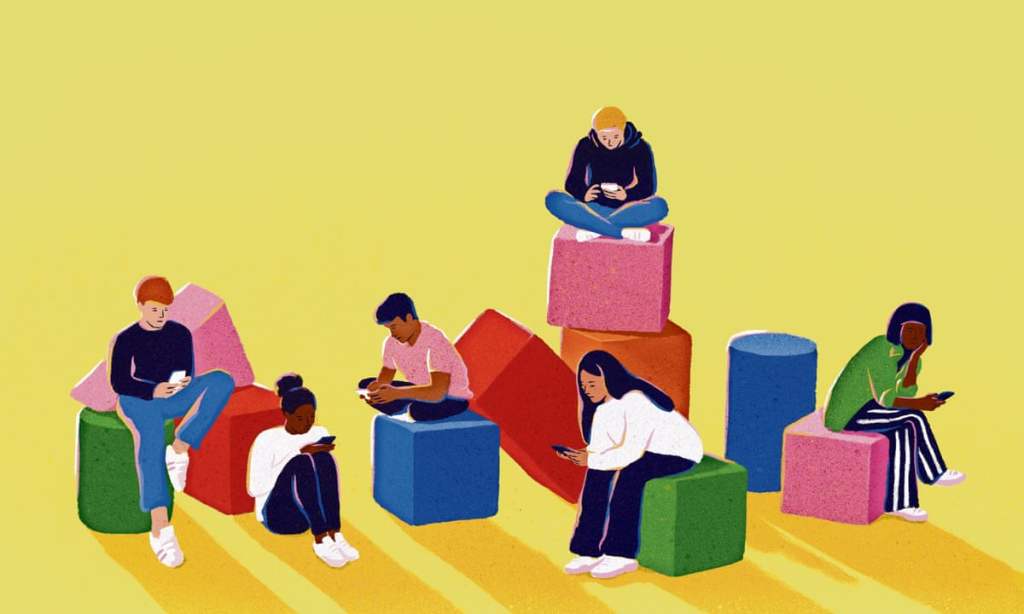
In recent years, social media has become an integral part of daily life, especially for Generation Z. However, this digital connectivity has been accompanied by an alarming rise in mental health issues, particularly anxiety. As we navigate this complex relationship between social media use and mental health, it becomes evident that many young people are grappling with the effects of constant connectivity.
The Gen Z Mental Health Crisis
Generation Z, defined as those born between the late 1990s and early 2010s, is often deemed the first truly digital-native generation. While social media platforms like Instagram, TikTok, and Snapchat provide opportunities for connection and self-expression, they also contribute to heightened levels of anxiety and negative self-image.
The Impact of Social Media on Mental Health
- Comparison and Self-Esteem: Social media platforms often present an idealized version of life, leading users to compare their realities with those of influencers and peers. This phenomenon can cause feelings of inadequacy and lower self-esteem, which are significant contributors to anxiety.
- Fear of Missing Out (FOMO): With real-time updates about social events and gatherings, many Gen Z individuals experience a fear of missing out, which can exacerbate feelings of loneliness and anxiety. This constant exposure to curated lives can create a cycle of anxiety and avoidance.
- Cyberbullying and Online Harassment: The anonymity of social media can lead to negative interactions, including cyberbullying. Victims of online bullying often experience severe anxiety, depression, and social withdrawal, significantly impacting their mental health.
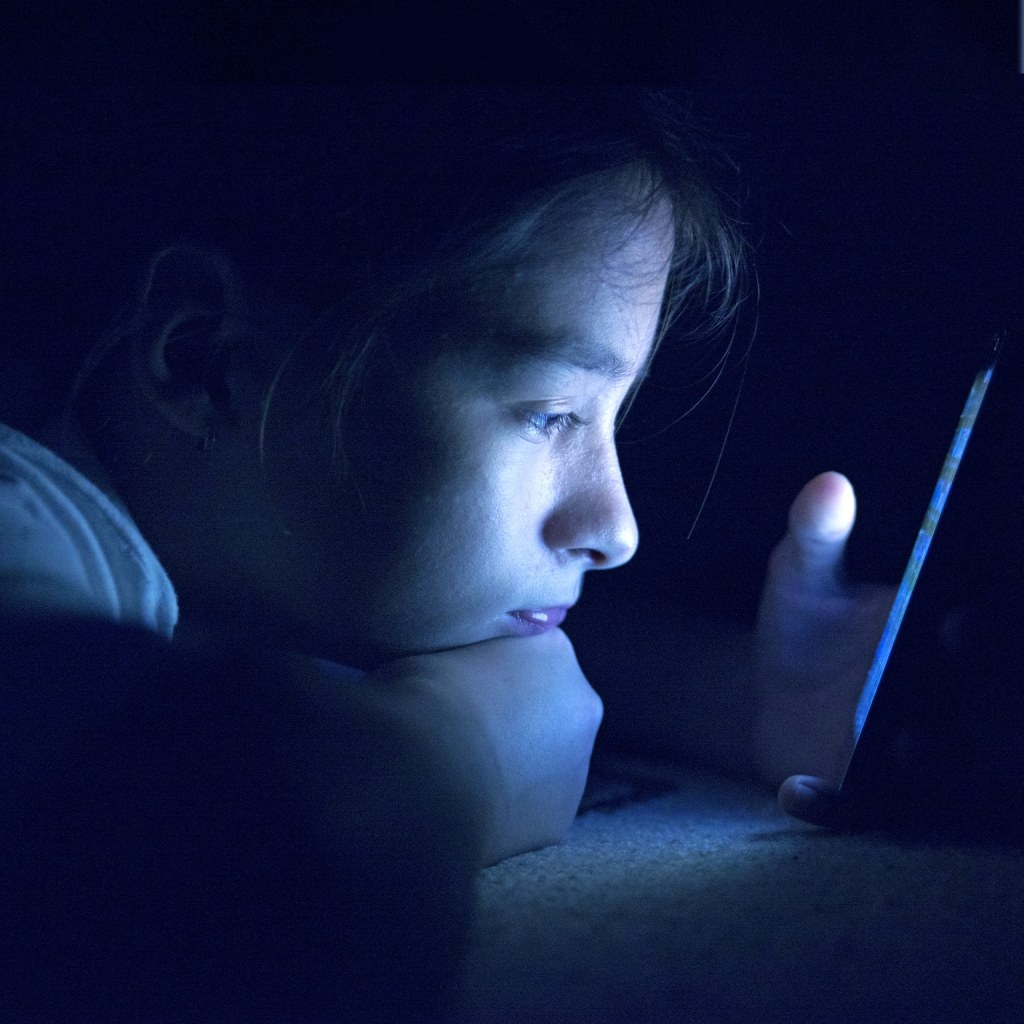
- Sleep Disruption: Studies have shown that excessive screen time, especially before bedtime, can disrupt sleep patterns. Poor sleep quality is linked to increased anxiety and other mental health issues.
Digital Detox Trends: Finding Balance
In response to the mental health crisis linked to social media, a growing number of young people are embracing digital detox trends. These trends encourage individuals to take breaks from their devices and engage in offline activities to promote mental well-being.
Popular Digital Detox Strategies
- Social Media Breaks: Many Gen Z individuals are opting to take extended breaks from social media. During these periods, they focus on self-care and personal interests that bring them joy, free from the pressures of online validation.
- Mindfulness and Meditation: Incorporating mindfulness practices can help young people manage anxiety. Apps and online resources offer guided meditations, allowing users to find calm and center themselves away from the digital world.
- Nature Escape: Some are choosing to reconnect with nature as a way to unplug. Spending time outdoors can significantly reduce stress and improve mood. Nature walks, hiking, or simply enjoying quiet time outside can provide a refreshing break from screens.
- Digital Minimalism: This concept involves intentionally reducing time spent on social media and only using technology that aligns with personal values. By curating digital experiences, individuals can create a healthier relationship with technology.
- Community Engagement: Building genuine connections through in-person interactions can help combat loneliness. Many young people are seeking out social groups and activities that foster real-life connections, steering clear of the superficial interactions often found online.
Conclusion
The intersection of social media and anxiety highlights a pressing concern for Generation Z. As the mental health crisis continues to impact young people, embracing digital detox trends presents a viable path toward improved well-being. Striking a balance between online and offline life is crucial in navigating this challenging landscape. By promoting mental health awareness and encouraging healthier tech habits, we can help Gen Z enjoy the benefits of social media without compromising their mental health.










 BoldVoices.in
Leave a comment