
Introduction
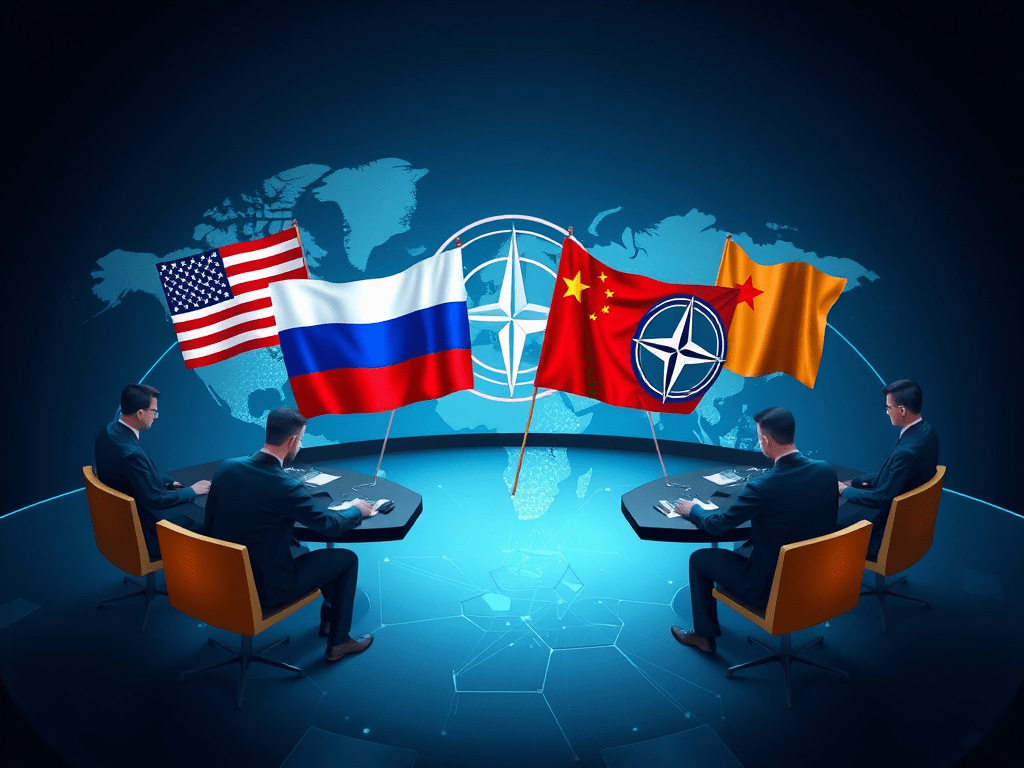
The landscape of international relations is continually evolving, shaped by geopolitical shifts, technological advancements, and changing economic conditions. As we look towards 2024 and 2025, several key trends and dynamics are anticipated to influence international alliances and partnerships.
Key Trends Influencing International Alliances
1. Rise of Multipolarity
The transition from a unipolar world dominated by the United States to a more multipolar system is increasingly evident. Countries like China, India, and the European Union are asserting their influence in global affairs. This shift is prompting nations to reevaluate their alliances, moving away from traditional blocs and seeking new partnerships that reflect a more balanced power distribution.
2. Technological Competition
The race for technological supremacy, particularly in areas such as artificial intelligence, cybersecurity, and 5G, is reshaping alliances. Countries are forming partnerships to bolster their technological capabilities, secure supply chains, and develop standards that align with their strategic interests. This is particularly evident in collaborations among democracies to counter authoritarian tech narratives.
3. Climate Change and Environmental Alliances
As climate change continues to pose existential threats, nations are increasingly coming together to forge environmental alliances. Agreements like the Paris Accord play a crucial role, but bilateral and multilateral initiatives focusing on technology transfer, renewable energy investments, and sustainable practices are also expected to emerge as nations recognize the need for collective action.
4. Economic Interdependence
Globalization has led to an intricate web of economic relationships. As countries maneuver through trade tensions and supply chain vulnerabilities, new economic alliances are likely to form. The focus will be on securing trade routes, ensuring energy security, and collaborating on health initiatives illustrated by the recent global responses to pandemics.
5. Evolving Security Strategies
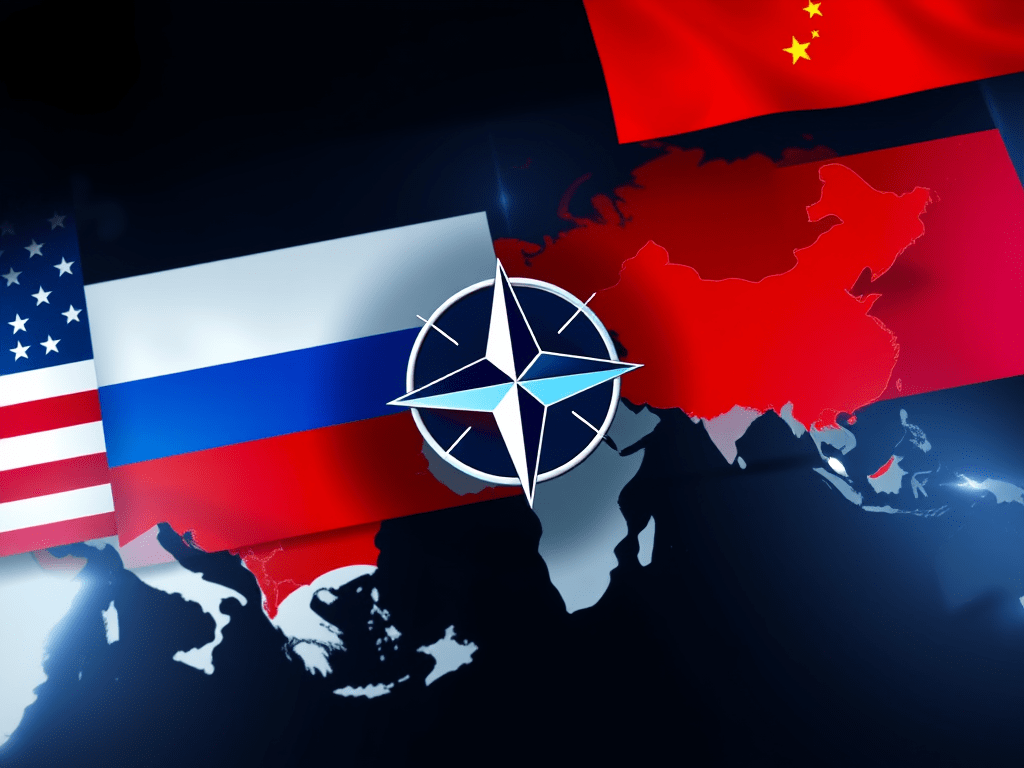
With rising military capabilities in regions like the South China Sea and Eastern Europe, nations are reassessing their security frameworks. Alliances such as NATO may see renewed focus, while non-traditional security alliances may emerge around issues like cyber threats and terrorism, necessitating new cooperation models.
Regional Focus
Asia-Pacific
In the Asia-Pacific region, the United States is expected to strengthen its alliances with countries such as Japan, Australia, and India in response to China’s assertiveness. The Quad grouping (United States, India, Japan, and Australia) is anticipated to deepen cooperation in security, economic ties, and infrastructure development.
Europe
Europe faces a pivotal moment with the ongoing challenges posed by Russia and internal divisions related to defense strategies. The European Union may seek to enhance its strategic autonomy, potentially creating new partnerships with NATO and other regional players to ensure stability.
Middle East
The Middle East is experiencing a dramatic transformation, with normalization agreements between Israel and several Arab nations altering long-standing alliances. The dynamics of Iranian influence will continue to shape alliances, as countries navigate relationships with both Tehran and Washington.
Africa
With significant resources and youthful populations, Africa is becoming increasingly important in global geopolitics. Chinese investments and partnerships in infrastructure and technology are met with a growing interest from the West, aiming to forge new collaborative frameworks that cater to mutual development goals.
Conclusion
As we approach 2024 and 2025, the shifting dynamics in international alliances will reflect a complex interplay of power, technology, environmental challenges, and economic interdependence. Nations will need to navigate these changes carefully, building coalitions that not only address immediate security concerns but also promote long-term stability and collaboration. The future of international relations will undoubtedly be characterized by both competition and cooperation, requiring astute diplomatic strategies and innovative partnership models.










 BoldVoices.in
Leave a comment