
Introduction
Delhi, the bustling capital of India, is a city that experiences severe pollution levels, impacting the health of its residents and igniting vigorous debates surrounding its air quality index (AQI). With increasing industrialization, urbanization, and the burgeoning population, the air and environmental quality of Delhi have deteriorated dramatically. This article aims to explore the causes of pollution, its health implications, the ongoing debates regarding air quality, and the initiatives like plastic bans aimed at alleviating the crisis.
Understanding Pollution in Delhi
Types of Pollution
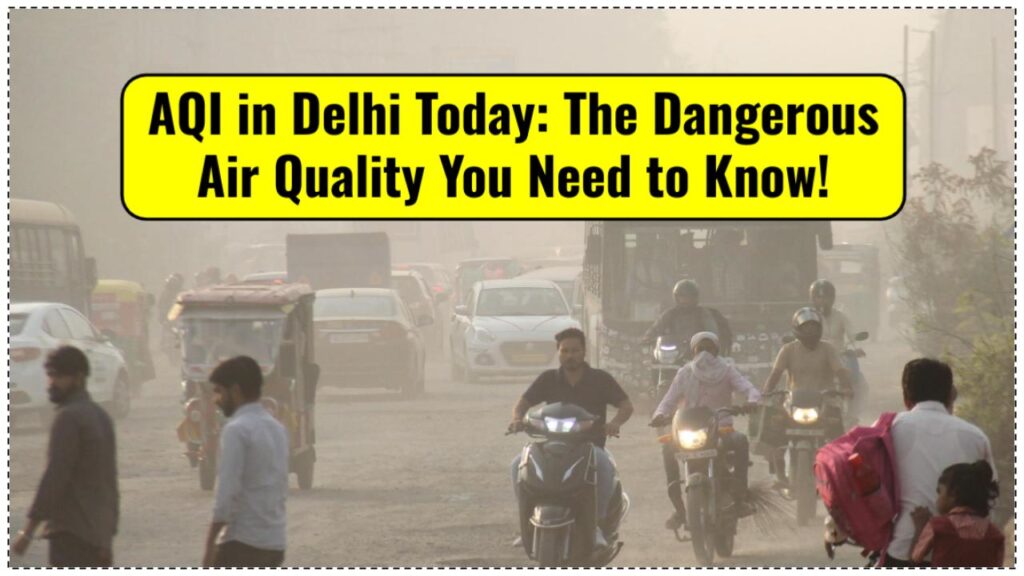
- Air Pollution: Predominantly caused by vehicle emissions, industrial discharges, construction dust, and burning of crop residue in neighboring states. The primary pollutants include particulate matter (PM2.5 and PM10), nitrogen oxides (NOx), and sulfur dioxide (SO2).
- Water Pollution: Contaminated by industrial effluents and sewage, affecting the rivers and water supply in and around Delhi.
- Soil Pollution: Resulting from improper waste disposal and the use of pesticides and fertilizers in agriculture, further complicating the city’s environmental issues.
The Air Quality Index (AQI)
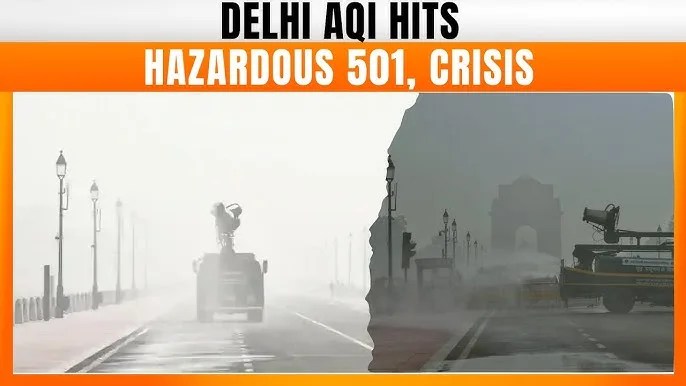
The AQI is a standardized indicator that ranges from 0 to 500 and is used to communicate how polluted the air currently is or how polluted it is forecast to become. In Delhi, AQI levels often reach hazardous categories, especially during winter months when weather conditions trap pollutants close to the ground.
Key Factors Contributing to Pollution
- Vehicular Emissions: With millions of vehicles on the road, emissions from transportation are a significant source of air pollution.
- Industrial Activities: Factories and power plants often circumvent regulations, contributing extensively to air quality degradation.
- Construction and Demolition: Ongoing construction projects generate dust, which is a major contributor to particulate matter pollution.
- Seasonal Crop Burning: Agricultural practices in surrounding states, particularly the burning of stubble, significantly affect Delhi’s air quality during specific seasons.
Health Hazards Linked to Pollution
The direct correlation between pollution levels and public health issues is alarming. Prolonged exposure to high AQI can lead to:
- Respiratory Diseases: Increased incidence of asthma, chronic bronchitis, and other respiratory ailments due to inhalation of fine particulate matter.
- Cardiovascular Problems: Higher rates of heart attacks and strokes have been linked to poor air quality.
- Adverse Effects on Children: Studies show a significant impact on lung development and cognitive functions among children in polluted areas.
- Mental Health Issues: Recent research suggests a link between air pollution and depressive disorders, further aggravating the health crisis.
Notable Statistics
- According to the World Health Organization (WHO), 14 of the 15 most polluted cities globally are in India, with Delhi being particularly notorious.
- The average PM2.5 concentration in Delhi often exceeds 300 µg/m³, compared to the WHO’s recommended maximum of 10 µg/m³.
The Debate on Delhi’s AQI
The AQI in Delhi prompts intense debates involving:
Government Actions vs. Public Response
The government has implemented several measures, including:
- Odd-Even Scheme: A traffic regulation effort that limits the number of vehicles on the road based on their registration numbers.
- Construction Bans: Temporary halts on construction activities during peak pollution months.
- Pollution Control Measures: Regulations for industries to cut emissions and enhance green cover.
However, public response remains mixed, often questioning the effectiveness and enforcement of these policies. Advocacy groups and citizens demand more stringent actions and accountability.
Role of Technology
Emerging technologies, such as air quality monitoring apps and low-cost sensors, are enhancing public awareness and enabling citizens to take proactive measures to protect their health.
Plastic Ban Initiatives
As part of broader environmental protection efforts, Delhi has implemented a ban on single-use plastics. This initiative aims to tackle plastic pollution, which, although not as immediately critical as air pollution, poses significant long-term environmental threats.
Impacts of the Plastic Ban
- Reduction in Waste: The ban has led to a noticeable decrease in plastic waste, promoting the use of sustainable alternatives.
- Economic Opportunities: Local industries are pivoting towards eco-friendly packaging and products, potentially creating new markets and job opportunities.
- Public Awareness: The ban raises awareness about environmental sustainability and individual responsibilities toward reducing plastic usage.
Conclusion
Pollution in Delhi is a multifaceted crisis that poses significant health hazards to its residents. The ongoing debates surrounding the AQI underscore the need for comprehensive, effective solutions that encompass both immediate and long-term strategies. While the plastic ban initiative represents a positive step toward broader environmental reforms, continuous public engagement, government accountability, and technological innovation will be crucial in addressing the ever-growing pollution challenges that impact health and quality of life in Delhi.
Addressing pollution requires a collective effort from individuals, communities, and authorities to forge a sustainable and healthier future for all.









 BoldVoices.in
Leave a comment