
The Yoga Sutras of Patanjali are an essential text on yoga philosophy and practice. Here are some of the key teachings:
Rishi Patanjali: An Overview
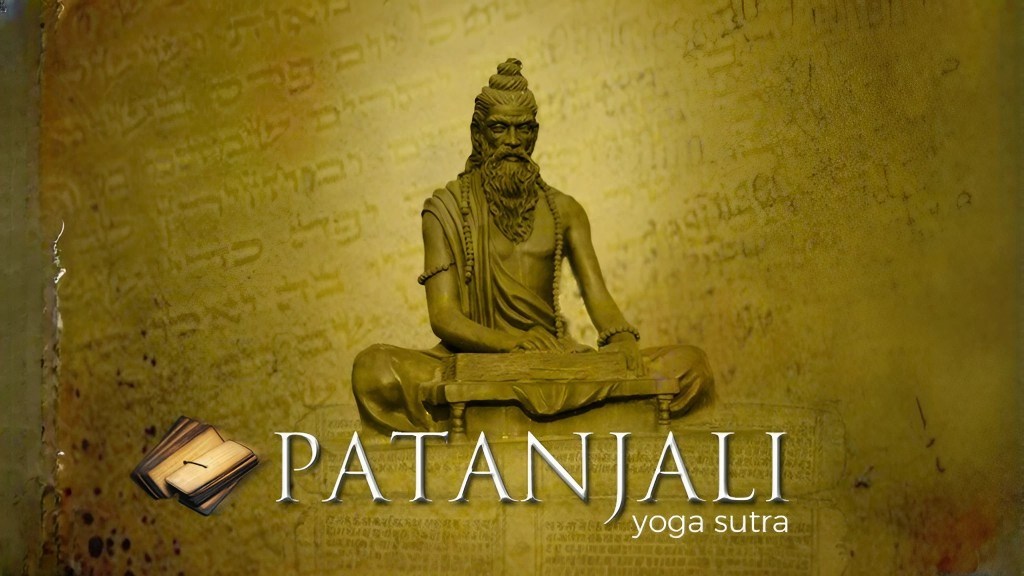
Rishi Patanjali is a revered sage in Indian philosophy, most famously known as the author of the Yoga Sutras, a foundational text in the practice of yoga. His teachings have significantly influenced various schools of thought, particularly in the realms of yoga and philosophy.
Historical Context
Patanjali is believed to have lived around the 2nd century BCE, though exact dates are debated. The historical Patanjali’s life remains shrouded in mystery, with many details derived from legend rather than definitive historical records.
Contributions
- Yoga Sutras: Patanjali’s most notable work is the Yoga Sutras, which consist of 196 aphorisms (sutras) that outline the philosophy and practice of yoga. This text serves as a guide for practitioners, detailing the path to self-realization and enlightenment.
- Ashtanga Yoga: He is credited with formalizing the concept of Ashtanga or the Eight Limbs of Yoga, which categorize the practices and principles essential for spiritual development.
- Influence on Philosophy: Besides yoga, Patanjali’s ideas have impacted various fields, including grammar, linguistics, and philosophy. His work in Sanskrit grammar, particularly the “Maharishi Patanjali’s Mahabhashya,” has been a critical reference in the study of language.
Philosophy
Patanjali’s philosophy encompasses both the practical aspects of yoga (asanas, pranayama) and the mental disciplines necessary for achieving liberation (moksha). His teachings emphasize self-discipline, meditation, and detachment as crucial elements for mental clarity and spiritual growth.
Legacy
Rishi Patanjali’s influence extends beyond yoga to broader spiritual and philosophical practices. His insights continue to guide practitioners worldwide, promoting a balanced approach to physical and mental well-being.
Conclusion
Patanjali’s teachings remain a cornerstone of yoga philosophy, offering a comprehensive framework for personal and spiritual development. His legacy as a teacher, sage, and philosopher continues to inspire countless seekers on their journeys of self-discovery.
1. The Eight Limbs of Yoga (Ashtanga)
Patanjali outlines a systematic approach to yoga through the Eight Limbs, which are:
- Yama: Ethical standards and sense of integrity.
- Ahimsa (non-violence)
- Satya (truthfulness)
- Asteya (non-stealing)
- Brahmacharya (continence)
- Aparigraha (non-possessiveness)
- Niyama: Self-discipline and spiritual observances.
- Saucha (purity)
- Santosha (contentment)
- Tapas (austerity)
- Svadhyaya (self-study)
- Ishvara Pranidhana (surrender to God)
- Asana: Physical postures that prepare the body for meditation.
- Pranayama: Breath control that links the body with the mind.
- Pratyahara: Withdrawal of the senses, turning inward.
- Dharana: Concentration, focusing the mind on a single point.
- Dhyana: Meditation, the practice of unwavering attention.
- Samadhi: Enlightenment or a state of oneness with the universe.
2. The Mind and Its Modifications (Vrittis)
Patanjali discusses the nature of the mind and its fluctuations (vrittis). He categorizes these modifications into five types:
- Correct knowledge (pramana)
- Erroneous knowledge (viparyaya)
- Imagination (vikalpa)
- Sleep (nidra)
- Memory (smriti)
3. The Purpose of Yoga
The ultimate aim of yoga is to still the fluctuations of the mind, leading to self-realization and liberation (kaivalya). This physical, mental, and spiritual harmony fosters inner peace and clarity.
4. The Role of Practice (Abhyasa) and Detachment (Vairagya)
Patanjali emphasizes the importance of consistent practice (abhyasa) combined with detachment (vairagya) from cravings and aversions for achieving stability in the mind and ultimately realizing the true self.
5. The Nature of Suffering and Liberation
The Sutras outline the causes of suffering (tapas) and the pathways to liberation (moksha). Recognizing the nature of suffering and its roots is crucial to overcoming it.
Conclusion
The teachings of the Yoga Sutras provide a comprehensive framework for personal development, encouraging the pursuit of knowledge, inner peace, and spiritual growth through a disciplined approach to life.










 BoldVoices.in
Leave a comment