
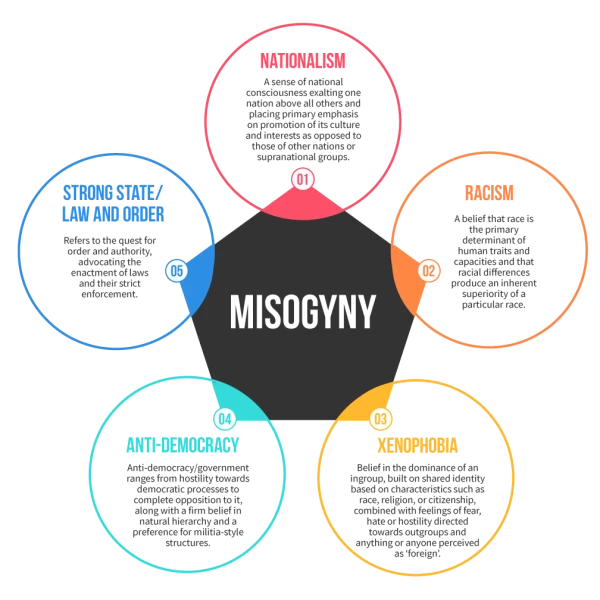
Misogyny pervades many avenues of pop culture, often manifesting through controversial lyrics in music and the objectification of women in films. This article explores the various dimensions of these issues, highlighting their impact on society and the ongoing conversations surrounding them.
Controversial Lyrics in Music
Musical genres, particularly hip-hop and pop, frequently grapple with themes of misogyny. Numerous artists have been criticized for their lyrics that demean or objectify women. Phrases that reduce women to mere objects, promote violence, or perpetuate stereotypes create a normalized culture that influences listeners.
Examples of Misogynistic Lyrics
- Hip-Hop: Some hip-hop tracks have been notorious for their blatant misogyny. Lyrics that refer to women using derogatory terms or discuss them as trophies or conquests can contribute to a culture that devalues women’s roles in society.
- Pop: Many pop songs also perpetuate detrimental stereotypes, showcasing women in passive, attention-seeking roles. Lyrics that emphasize appearance over intelligence or character contribute to a narrow view of femininity.
- Rock and Punk: Even genres that position themselves as anti-establishment sometimes fall into the trap of misogyny, with lyrics that trivialize violence against women or reduce them to mere sexual objects.
These lyrics resonate with a broad audience, often going unchallenged due to the societal normalization of misogynistic rhetoric in music. The power of music as a cultural force can either reflect or challenge societal values, further complicating the discourse around these lyrics.
Objectification in Movies
The film industry has long been criticized for how it portrays women, often reducing them to their physical appearance. Objectification in movies involves depicting women primarily as romantic interests or sexual objects, sidelining their individuality, agency, and depth.
Instances of Objectification
- Visual Representation: Many films strategically frame scenes to highlight women’s bodies rather than their capabilities. The infamous “male gaze” — a term coined by feminist film theorist Laura Mulvey — describes how women are often presented in ways that cater to male viewers. This includes lingering shots that focus on body parts rather than character development.
- Character Development: Women are frequently written as one-dimensional characters, serving primarily as love interests or sidekicks to male protagonists. Their motivations and story arcs often revolve around men, undermining the complexity and richness that could be portrayed in female characters.
- Stereotypical Roles: Films often resort to clichéd portrayals of women: the damsel in distress, the seductress, or the nurturing figure. These stereotypes reinforce narrow roles for women and promote an unrealistic view of gender dynamics.
Cultural Impact
The impact of objectifying women in film extends beyond entertainment; it shapes societal perceptions and expectations. Young girls and women may internalize these depictions, leading to issues with self-esteem and body image. Studies indicate that constant exposure to objectified representations can impact how both men and women view gender roles.
Addressing Misogyny in Pop Culture
Conversations about misogyny in pop culture are gradually increasing, thanks in part to movements like #Metoo and efforts to promote feminist narratives. The industry is seeing a rise in works that challenge traditional portrayals of women, creating space for more authentic and varied representations.
Steps Forward
- Encouraging Diverse Voices: Supporting projects led by women and featuring strong female characters can help shift the narrative and challenge misogynistic tropes.
- Critical Consumption: Audiences play a crucial role in demanding better representation. By being critical of the media consumed, consumers can push for change, advocating for content that respects and uplifts women.
- Engaging in Dialogue: Public discussions about misogyny in music and film can help raise awareness and foster understanding. Social media platforms allow for broader conversations that can lead to accountability for artists and producers alike.
Misogyny in pop culture is a pressing issue that manifests in various forms, including controversial lyrics in music and the objectification of women in films. In India, these issues are prevalent across different genres and media, reflecting broader societal attitudes and norms.
Controversial Lyrics in Indian Music
In India, musical genres such as Bollywood music and regional folk songs often grapple with themes of misogyny. Many songs contain lyrics that demean, objectify, or stereotype women, contributing to a culture that normalizes such attitudes.
Examples of Misogynistic Lyrics
- Bollywood: Numerous Bollywood songs are known for their use of derogatory terms for women, often depicting them as mere objects of desire. Such lyrics can reinforce harmful stereotypes that diminish women’s roles in society.
- Regional Music: Folk and regional songs sometimes contain misogynistic undertones, portraying women in demeaning roles or emphasizing their subservience to men. These narratives perpetuate traditional gender roles and expectations.
- Rap and Hip-Hop: The Indian hip-hop scene has also faced criticism for lyrics that objectify women. Although some artists have begun to challenge these narratives, many tracks continue to reinforce harmful stereotypes.
These lyrics resonate with large audiences, often going unchallenged due to the societal normalization of misogynistic rhetoric in Indian music. Despite the growing awareness of these issues, the power of music as a cultural force continues to shape societal values and attitudes toward women.
Objectification in Indian Movies
The Indian film industry, particularly Bollywood, has long been scrutinized for its portrayal of women, often reducing them to their physical appearance. Objectification involves depicting women as romantic interests or mere props in a male-centric narrative.
Instances of Objectification
- Visual Representation: Many Indian films are criticized for framing women in ways that emphasize their physical attributes rather than their talents or character. This can include lengthy shots that focus on women’s bodies at the expense of their story arcs.
- Character Development: Female characters are often one-dimensional, serving primarily as love interests or supporting roles to male protagonists. Their development is often tied to men, undermining the complexity that could be portrayed in their narratives.
- Stereotypical Roles: Common tropes in Indian cinema include the obedient wife, the seductress, and the victim. These stereotypes reinforce narrow perceptions of women and perpetuate unrealistic views of gender dynamics.
Cultural Impact
The objectification of women in Indian films extends beyond the screen, influencing societal perceptions and attitudes. Young girls and women may internalize these portrayals, leading to challenges related to self-esteem and body image. Furthermore, studies indicate that consistent exposure to such representations can shape how both men and women view gender roles and relationships.
Addressing Misogyny in Indian Pop Culture
Conversations regarding misogyny in Indian pop culture are gradually gaining momentum, influenced by social movements and growing advocacy for women’s rights. Recognizing and addressing these issues is essential for creating a more equitable cultural landscape.
Steps Forward
- Supporting Diverse Narratives: Encouraging films and music that feature strong, complex female characters can help shift the narrative away from traditional, misogynistic portrayals.
- Critical Consumption: Audiences play a vital role in demanding better representation. By questioning and critically analyzing the media they consume, consumers can advocate for change and promote content that respects and uplifts women’s experiences.
- Engaging in Dialogue: Public discussions about misogyny in Indian music and film can help raise awareness and foster change. Social media platforms provide spaces for broader conversations that hold artists and producers accountable.
Misogyny in Indian pop culture is a multifaceted issue, evident in controversial lyrics and objectifying representations in cinema. By critically examining these elements and advocating for change, society can work towards a more equitable and respectful portrayal of women in all forms of media. The journey toward gender equality begins with individuals and communities that choose to challenge the status quo, demanding a culture that values diversity and respect for all.
Conclusion
Misogyny in pop culture is a multifaceted issue that manifests through controversial lyrics in music and objectifying representations in film. By examining these elements critically and advocating for change, society can work toward a more equitable and respectful portrayal of women across all forms of media. The journey toward equality begins with individuals who choose to challenge the norms, demanding a culture that truly values diversity and respect for all.






 BoldVoices.in
Leave a comment