
Meditation is a practice that has been embraced across various cultures and traditions for thousands of years. It serves as a tool for achieving mental clarity, emotional stability, and spiritual awareness. Among the vast array of meditation techniques available, Vipassana and Kundalini are two prominent methods that offer unique paths towards inner peace and self-discovery. This article will delve into these two techniques and explore additional meditation practices that can enhance one’s spiritual journey.
Vipassana Meditation
Overview
Vipassana, which means “clear seeing,” is one of the oldest forms of meditation originating from the Buddhist tradition. This technique is designed to cultivate awareness and insight into the true nature of reality. Practitioners of Vipassana aim to observe their thoughts, feelings, and sensations without attachment or aversion, leading to a deeper understanding of the mind and body.
Key Principles
- Mindfulness: Central to Vipassana is the practice of mindfulness, which involves being fully present in the moment. This is often achieved by focusing on the breath and observing the sensations within the body.
- Non-reactivity: Practitioners learn to respond to thoughts and feelings without judgment. This non-reactive approach helps in distancing oneself from harmful emotions and can lead to greater emotional resilience.
- Impermanence: Vipassana emphasizes the understanding of impermanence. By observing how sensations come and go, practitioners develop insight into the transient nature of all experiences.
Practice
Vipassana meditation is often conducted in a retreat setting, where participants engage in a silent and structured environment for several days. There are typically several components to the practice:
- Sitting Meditation: Focused on the breath and bodily sensations, practitioners sit in silence, allowing thoughts to arise and pass without attachment.
- Walking Meditation: This involves mindful walking, where attention is on the movement and sensations in the feet.
- Daily Mindfulness: Outside of formal sitting, practitioners are encouraged to maintain mindfulness in daily activities, fostering a continuous awareness.
Kundalini Meditation
Overview
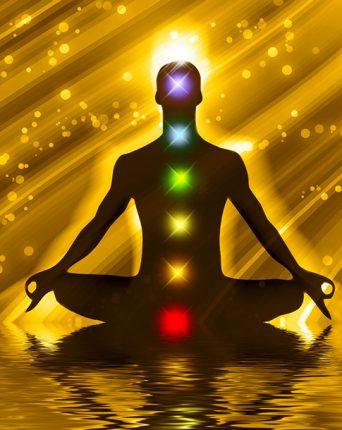
Kundalini meditation derives from the yogic traditions of India and focuses on the awakening of Kundalini energy, a dormant spiritual force believed to reside at the base of the spine. The goal of Kundalini meditation is to raise this energy through the chakras to achieve spiritual enlightenment.
Key Principles
- Chakra System: Kundalini meditation emphasizes the seven chakras or energy centers that correspond to different aspects of the self. The journey involves purifying and energizing these chakras.
- Breath Control (Pranayama): Breath is considered a vital tool in this practice. Various breathing techniques are employed to awaken and channel the Kundalini energy effectively.
- Mantras and Mudras: Sound vibrations through mantras (sacred chants) and specific hand gestures (mudras) are used to focus the mind and direct the energy flow.
Practice
Kundalini meditation can incorporate a range of practices, including:
- Dynamic Movements: Engaging in physical exercises to stimulate energy flow and prepare the body for deeper meditation.
- Meditative Stillness: Following dynamic practices, practitioners often enter a state of quiet contemplation to further connect with the Kundalini energy.
- Chanting: Repeating mantras can enhance concentration and create a vibrational alignment with the energy.
Additional Meditation Techniques
Beyond Vipassana and Kundalini, there exists a myriad of other meditation techniques that individuals can explore:
1. Zen Meditation (Zazen)
Rooted in Buddhism, Zen meditation emphasizes sitting in quietude while focusing on the breath and observing thoughts as they arise. This technique fosters a state of deep presence and clarity.
2. Transcendental Meditation
This popular technique involves silently repeating a specific mantra for 20 minutes, twice a day. It is designed to promote relaxation and reduce stress while facilitating a profound state of inner peace.
3. Guided Meditation
Guided meditation utilizes instructions from a teacher or via recordings to lead practitioners through a meditative experience. This approach is beneficial for beginners who may find it challenging to meditate on their own.
4. Loving-Kindness Meditation (Metta)
This practice focuses on generating feelings of compassion and love towards oneself and others. Practitioners repeat phrases of goodwill while visualizing sending love to friends, family, and even those with whom they have difficulties.
5. Chakra Meditation
Focusing specifically on the chakras, this technique involves visualizing and meditating on each energy center, often using colors, sounds, or physical sensations to heighten awareness and energy flow.
Conclusion
Meditation is a versatile practice that offers numerous techniques to cultivate awareness, peace, and spiritual growth. Whether one chooses to embark on the path of Vipassana, explore the awakening of Kundalini, or engage in other forms of meditation, the key lies in consistent practice and the willingness to explore the depths of one’s consciousness. As more individuals delve into these methods, the potential for personal transformation and collective well-being increases, contributing to a more mindful world.










 BoldVoices.in
Leave a comment