
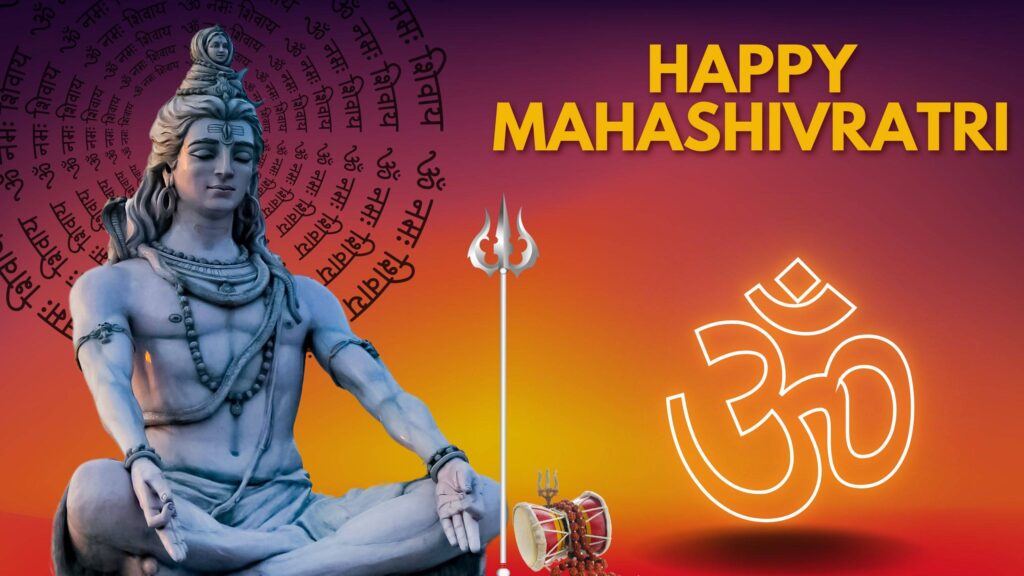
Maha Shivaratri, meaning “the Great Night of Shiva,” is a significant Hindu festival dedicated to Lord Shiva. Celebrated annually, it usually falls in February or March, during the waning phase of the moon in the month of Phalguna. This auspicious occasion is revered by millions of devotees worldwide and holds immense spiritual significance.
Fasting on Maha Shivaratri: Benefits and Practices
Fasting is an integral part of the Maha Shivaratri celebration. Devotees observe a day-long fast, which can vary in its strictness, from abstaining from all food and water to consuming fruits and milk. Here are some benefits of fasting on this holy day:
1. Spiritual Cleanliness
Fasting is believed to purify the body and mind. It helps cleanse one’s physical self, allowing individuals to connect with their spiritual essence. This purification fosters a deeper bond with Lord Shiva.
2. Discipline and Self-Control
Engaging in fasting cultivates self-discipline. It teaches individuals to control their desires and impulses, promoting a sense of mental clarity and focus. This discipline becomes a catalyst for personal growth and spiritual development.
3. Increased Devotional Practice
While fasting, devotees often spend time in prayer, meditation, and reading scriptures. This increased devotional practice allows for a more profound spiritual experience and a greater connection with the divine.
4. Physical Health Benefits
Intermittent fasting has potential health benefits, such as detoxification and digestive rest. Observing a fast on Maha Shivaratri may help in revitalizing the body and rejuvenating one’s overall well-being.
5. Enhanced Confidence and Willpower
Successfully completing a day-long fast boosts self-esteem and cultivates a sense of accomplishment. Such experiences enhance one’s willpower, proving beneficial in day-to-day life.
6. Community and Family Bonding
Fasting is often a collective practice, bringing families and communities together in devotion. This shared spiritual experience strengthens cultural ties and enriches social interactions.
Rudrabhishek: The Divine Offering
Rudrabhishek is a significant ritual performed during Maha Shivaratri, wherein devotees offer water, milk, honey, and sacred items to the Shiva Lingam. This act of worship holds deep spiritual significance and is believed to invoke the blessings of Lord Shiva.
The Process of Rudrabhishek
- Preparation of the Puja Area
- Clean the area and set up a platform for the Shiva Lingam.
- Decorate with flowers and offer incense sticks to create a sacred ambience.
- Sankalp (Resolution)
- The devotee sets an intention, seeks blessings, and makes a personal or familial vow for the ritual.
- Abhishek (Ritual Bath)
- Using various offerings like water, milk, yogurt, ghee, and honey, the Shiva Lingam is bathed. Each offering symbolizes different aspects of life, such as purity, nourishment, and bliss.
- Mantras and Prayers
- Reciting powerful Vedic mantras, especially the Rudram, enhances the spiritual vibrations during the ritual. This further deepens the devotee’s connection with Lord Shiva.
- Offerings
- Devotees present flowers, fruits, and sweets after the abhishek, symbolizing gratitude and reverence. The ritual culminates with the lighting of lamps and singing devotional hymns.
- Aarti (Liturgical Worship)
- The final part of the ceremony involves performing Aarti. This is a ritual of offering light to the deity, symbolizing the removal of darkness and ignorance.
Conclusion
Maha Shivaratri is not just a festival; it is a spiritual journey for many Hindus. It brings together the essence of fasting, devotion, and rituals like Rudrabhishek, forging a unique pathway for inner peace and divine blessings. Observing this sacred night with genuine intention can lead to immense spiritual rewards and personal growth.
Maha Shivaratri, जिसका अर्थ है “भगवान शिव की महान रात,” एक महत्वपूर्ण हिंदू त्योहार है जो भगवान शिव को समर्पित है। यह हर वर्ष मनाया जाता है, जो सामान्यतः फरवरी या मार्च में, फाल्गुन मास के चंद्रमा की कम होती स्थिति में आता है। यह शुभ अवसर दुनिया भर में लाखों भक्तों द्वारा श्रद्धा से मनाया जाता है और यह आध्यात्मिक महत्त्व रखता है।
महा शिवरात्रि पर उपवास: लाभ और प्रथाएँ
उपवास महा शिवरात्रि के उत्सव का एक समेकित भाग है। भक्त एक दिन का उपवास रखते हैं, जो भिन्नता में हो सकता है, पूरी तरह से भोजन और जल से abstaining करने से लेकर फल और दूध का सेवन करने तक। यहां इस पवित्र दिन पर उपवास के कुछ लाभ प्रस्तुत हैं:
1. आध्यात्मिक शुद्धता
उपवास को शरीर और मन को शुद्ध करने का उपाय माना जाता है। यह व्यक्ति के शारीरिक स्वयं को शुद्ध करता है, जिससे व्यक्ति अपनी आध्यात्मिकता के साथ जुड़ता है। यह शुद्धता भगवान शिव के साथ एक गहरा संबंध स्थापित करती है।
2. अनुशासन और आत्म-नियंत्रण
उपवास रखने से आत्म-अनुशासन की संवर्धन होती है। यह व्यक्तियों को अपनी इच्छाओं और आवेगों पर नियंत्रण रखना सिखाती है, जिससे मानसिक स्पष्टता और ध्यान को बढ़ावा मिलता है। यह अनुशासन व्यक्तिगत विकास और आध्यात्मिक उन्नति के लिए उत्प्रेरक बनता है।
3. भक्ति का बढ़ता अभ्यास
उपवास के दौरान, भक्त आमतौर पर प्रार्थना, ध्यान, और शास्त्रों का अध्ययन करते हैं। यह बढ़ती भक्ति का अभ्यास गहरे आध्यात्मिक अनुभव और दिव्य के साथ बढ़ते संबंध का अवसर प्रदान करता है।
4. शारीरिक स्वास्थ्य लाभ
अंतराल उपवास के संभावित स्वास्थ्य लाभ होते हैं, जैसे डिटॉक्सीफिकेशन और पाचन विश्राम। महा शिवरात्रि पर उपवास रखने से शरीर को पुनर्जीवित करने में मदद मिल सकती है और समग्र कल्याण को पुनः प्राप्त कर सकती है।
5. बढ़ती आत्मविश्वास और इच्छाशक्ति
एक दिन के उपवास को सफलतापूर्वक पूरा करने से आत्म-सम्मान में वृद्धि होती है और एक उपलब्धि की भावना विकसित होती है। ऐसे अनुभव इच्छाशक्ति को बढ़ाते हैं, जो रोज़मर्रा के जीवन में लाभकारी साबित होते हैं।
6. समुदाय और पारिवारिक बंधन
उपवास अक्सर एक सामूहिक प्रथा होती है, जो परिवारों और समुदायों को एकता में लाती है। यह साझा आध्यात्मिक अनुभव सांस्कृतिक संबंधों को मजबूत करता है और सामाजिक इंटरैक्शन को समृद्ध करता है।
रुद्राभिषेक: दिव्य अर्पण
रुद्राभिषेक महा शिवरात्रि के दौरान एक महत्वपूर्ण अनुष्ठान है, जिसमें भक्त जल, दूध, शहद, और पवित्र वस्तुओं का शिवलिंग पर अर्पण करते हैं। पूजा का यह कार्य गहरा आध्यात्मिक महत्व रखता है और भगवान शिव के आशीर्वाद को आमंत्रित करने के लिए किया जाता है।
रुद्राभिषेक की प्रक्रिया
- पूजा स्थल की तैयारी
- क्षेत्र को साफ करें और शिवलिंग के लिए एक मंच तैयार करें।
- फूलों से सजाएँ और एक पवित्र वातावरण बनाने के लिए अगरबत्ती लगाएँ।
- संकल्प (निष्कर्ष)
- भक्त एक नीयत निर्धारित करता है, आशीर्वाद प्राप्त करता है, और अनुष्ठान के लिए व्यक्तिगत या पारिवारिक व्रत करता है।
- अभिषेक (अनुष्ठान स्नान)
- जल, दूध, दही, घी, और शहद जैसे विभिन्न अर्पणों का उपयोग करते हुए शिवलिंग को स्नान कराया जाता है। प्रत्येक अर्पण जीवन के विभिन्न पहलुओं का प्रतीक है, जैसे शुद्धता, पोषण, और आनंद।
- मंत्र और प्रार्थनाएँ
- शक्तिशाली वेद मंत्रों का पाठ, विशेष रूप से रुद्रम, अनुष्ठान के दौरान आध्यात्मिक कंपन को बढ़ाता है। इससे भक्त और भगवान शिव के बीच का संबंध और गहरा होता है।
- अर्पण
- भक्त अभिषेक के बाद फूल, फल, और मिठाई अर्पित करते हैं, जो आभार और श्रद्धा का प्रतीक है। अनुष्ठान का समापन दीप जलाने और भक्ति गीत गाने के साथ होता है।
- आरती (पूज्य पूजा)
- समारोह का अंतिम हिस्सा आरती करने में शामिल होता है। यह देवी- deity को प्रकाश अर्पित करने का एक अनुष्ठान होता है, जो अंधकार और अज्ञानता को दूर करने का प्रतीक है।
निष्कर्ष
महा शिवरात्रि केवल एक त्योहार नहीं है; यह कई हिंदुओं के लिए एक आध्यात्मिक यात्रा है। यह उपवास, भक्ति, और रुद्राभिषेक जैसे अनुष्ठानों के सार को एकत्रित करता है, जो आंतरिक शांति और दिव्य आशीर्वाद के लिए एक अनूठा मार्ग बुनता है। इस पवित्र रात का अवलोकन सच्ची नीयत के साथ किया जाए, तो यह विशाल आध्यात्मिक पुरस्कार और व्यक्तिगत विकास की ओर ले जा सकता है।








 BoldVoices.in
Leave a comment