
Introduction
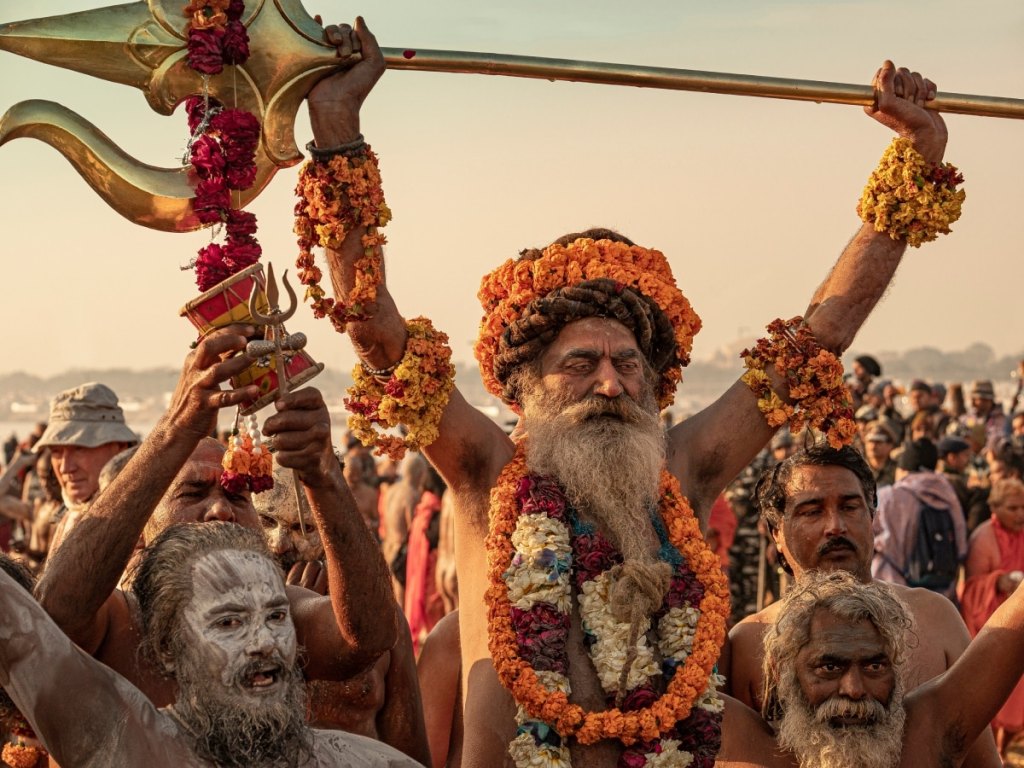
The Kumbh Mela is one of the largest and most significant religious gatherings in the world, celebrated by millions of devotees in India. This grand festival holds great importance in Hindu culture and spirituality. It is steeped in tradition and is celebrated at four different locations across the country, namely Allahabad (Prayagraj), Haridwar, Ujjain, and Nashik. Each location hosts the Kumbh Mela in a cycle spanning approximately 12 years.
Historical Background
The origins of the Kumbh Mela can be traced back to ancient Hindu mythology. According to the stories narrated in the Puranas, the Kumbh (pot) containing the nectar of immortality (amrit) was churned from the ocean during the Samudra Manthan (churning of the ocean) by the gods and demons. It is believed that during the battle between the gods and demons over the nectar, drops of amrit fell at the four sacred locations, leading to the significance of the Kumbh Mela.
Historically, the festival has been celebrated for centuries, witnessing the participation of various dynasties, saints, and common people alike. The first recorded mention of Kumbh Mela dates back to 1892 when it gained significant recognition.
Significance of Kumbh Mela
The Kumbh Mela is not just a religious pilgrimage; it is a cultural and spiritual phenomenon. Here are some of its key significances:
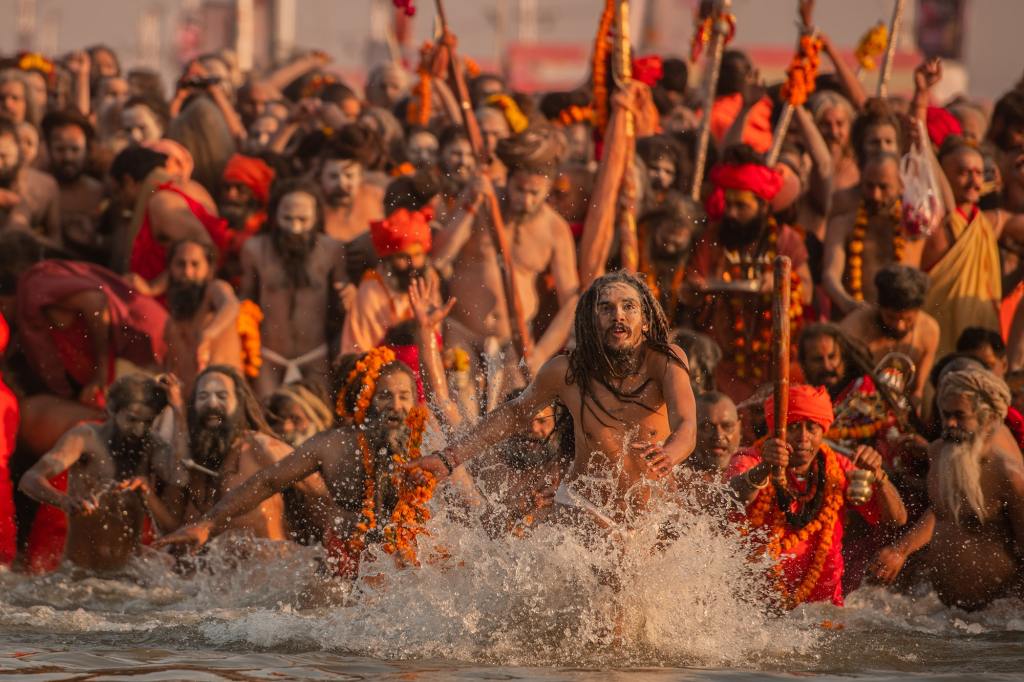
- Spiritual Cleansing: Pilgrims believe that taking a dip in the holy rivers during the Kumbh Mela cleanses their sins and purifies their soul. This act of ritual bathing is considered a key part of the pilgrimage.
- Unity in Diversity: The Kumbh Mela attracts people from diverse backgrounds and regions, fostering a sense of unity among participants. It serves as a platform for sharing spiritual knowledge, cultural exchanges, and communal harmony.
- Spiritual Discourse: The event features numerous spiritual discourses, lectures, and discussions led by revered saints and spiritual leaders, providing attendees with opportunities to deepen their understanding of Hindu philosophy.
- Cultural Practices: The Kumbh Mela showcases various traditional art forms, songs, and cultural practices, preserving the rich heritage of India.
Next Dates of Kumbh Mela
The Kumbh Mela is held every 12 years at each of the four locations. The following are the upcoming dates for the Kumbh Mela:
- Haridwar Kumbh Mela: 2027
- Ujjain Kumbh Mela: 2028
- Nashik Kumbh Mela: 2030
- Prayagraj Kumbh Mela: 2031
In addition to the full Kumbh, there are smaller gatherings referred to as Ardh Kumbh, which occur every six years. The next Ardh Kumbh is scheduled for 2025 in Haridwar.
Conclusion
The Kumbh Mela is more than just a religious event; it is a vibrant celebration of faith, culture, and spiritual growth. As millions of pilgrims gather to partake in this grand festival, they not only seek spiritual rejuvenation but also contribute to the rich tapestry of India’s cultural and spiritual identity. The Kumbh Mela continues to stand as a testament to the enduring power of faith and community.
कुम्भ मेला: अगली तिथियाँ, महत्व, और इतिहास
परिचय
कुम्भ मेला विश्व के सबसे बड़े और महत्वपूर्ण धार्मिक आयोजनों में से एक है, जिसे भारत में लाखों भक्त मनाते हैं। यह भव्य त्योहार हिंदू संस्कृति और आध्यात्मिकता में विशेष महत्व रखता है। इसकी परंपरा में गहराई है और इसे देश के चार अलग-अलग स्थानों पर मनाया जाता है, अर्थात् प्रयागराज (इलाहाबाद), हरिद्वार, उज्जैन, और Nashik। प्रत्येक स्थान पर कुम्भ मेला लगभग 12 साल के चक्र में आयोजित होता है।
ऐतिहासिक पृष्ठभूमि
कुम्भ मेले की उत्पत्ति प्राचीन हिंदू पौराणिक कथाओं में निहित है। पुराणों में वर्णित कथाओं के अनुसार, अमृत (अमरता का रस) से भरे कुम्भ (घड़े) को समुद्र मंथन के दौरान देवताओं और असुरों द्वारा निकाला गया था। यह मान्यता है कि जब देवताओं और असुरों के बीच अमृत के लिए युद्ध हो रहा था, तब अमृत की कुछ बूंदें चार पवित्र स्थानों पर गिरीं, जिससे कुम्भ मेले का महत्व बढ़ा।
ऐतिहासिक रूप से, यह त्योहार सदियों से मनाया जा रहा है, जिसमें विभिन्न राजवंशों, साधुओं, और आम लोगों की भागीदारी देखी गई है। कुम्भ मेले का पहला ज्ञात उल्लेख 1892 में हुआ था, जब इसे महत्वपूर्ण मान्यता प्राप्त हुई थी।
कुम्भ मेले का महत्व
कुम्भ मेला केवल एक धार्मिक तीर्थ यात्रा नहीं है; यह एक सांस्कृतिक और आध्यात्मिक घटना है। इसके कुछ मुख्य महत्व निम्नलिखित हैं:
- आध्यात्मिक शुद्धि: भक्तों का विश्वास है कि कुम्भ मेले के दौरान पवित्र नदियों में स्नान करने से उनके पाप धुल जाते हैं और उनकी आत्मा शुद्ध होती है। इस ritual बाथिंग को तीर्थ यात्रा का एक महत्वपूर्ण हिस्सा माना जाता है।
- विविधता में एकता: कुम्भ मेला विविध पृष्ठभूमि और क्षेत्रों से लोगों को आकर्षित करता है, जिसके द्वारा प्रतिभागियों के बीच एकता की भावना बढ़ती है। यह आध्यात्मिक ज्ञान साझा करने, सांस्कृतिक आदान-प्रदान, और सामुदायिक एकता का मंच बनता है।
- आध्यात्मिक चर्चा: इस आयोजन में कई आध्यात्मिक व्याख्यान, चर्चा, और प्रवचन होते हैं जो कि revered saints और आध्यात्मिक नेताओं द्वारा प्रदान किए जाते हैं, जो उपस्थित लोगों को हिंदू दर्शन को समझने का अवसर देते हैं।
- संस्कृति के अभ्यास: कुम्भ मेला विभिन्न पारंपरिक कला रूपों, गीतों, और सांस्कृतिक प्रथाओं को प्रदर्शित करता है, जो भारत की समृद्ध विरासत को संरक्षित करता है।
कुम्भ मेले की अगली तिथियाँ
कुम्भ मेला हर 12 साल में चार स्थानों में से प्रत्येक पर आयोजित होता है। आने वाले कुम्भ मेले की तिथियाँ इस प्रकार हैं:
- हरिद्वार कुम्भ मेला: 2027
- उज्जैन कुम्भ मेला: 2028
- नाशिक कुम्भ मेला: 2030
- प्रयागराज कुम्भ मेला: 2031
पूर्ण कुम्भ के अलावा, छोटे आयोजनों को अर्धकुम्भ कहा जाता है, जो हर छह साल में होते हैं। अगला अर्धकुम्भ 2025 में हरिद्वार मेंScheduled है।
निष्कर्ष
कुम्भ मेला केवल एक धार्मिक कार्यक्रम नहीं है; यह विश्वास, संस्कृति, और आध्यात्मिक विकास का एक जीवंत उत्सव है। जब लाखों श्रद्धालु इस भव्य त्योहार में भाग लेने के लिए एकत्र होते हैं, तो वे न केवल आध्यात्मिक पुनर्नवीनीकरण की खोज करते हैं बल्कि भारत की सांस्कृतिक और आध्यात्मिक पहचान की समृद्ध गाथा में भी योगदान देते हैं। कुम्भ मेला विश्वास और समुदाय की स्थायी शक्ति का प्रतीक बना हुआ है।









 BoldVoices.in
Leave a comment