
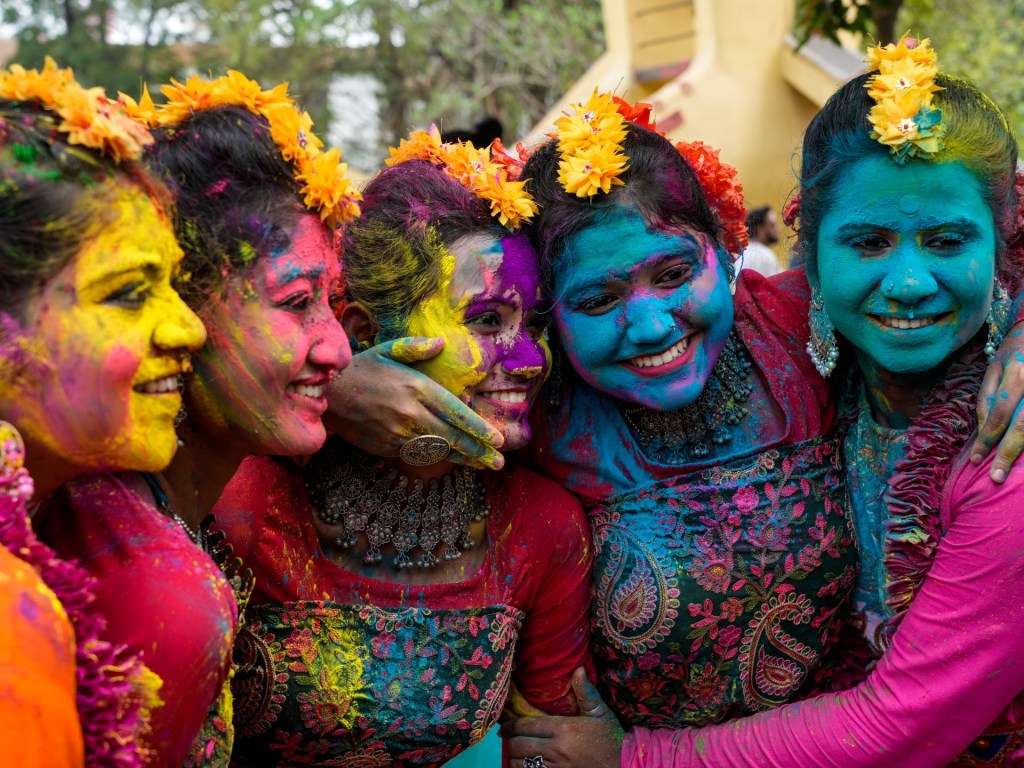
Holi, widely known as the Festival of Colors, is an ancient Hindu festival that celebrates the arrival of spring and the victory of good over evil. It is marked by vibrant colors, joyous gatherings, and the spirit of togetherness. Central to the festivity are the mythological tales that explain the significance of Holi, especially the story of Prahlad and Holika. In recent years, there has been a growing emphasis on celebrating Holi in an eco-friendly manner, aligning with global efforts to preserve our environment.
The Story of Prahlad and Holika
The roots of Holi can be traced back to Hindu mythology, particularly the tale of Prahlad, a young devotee of Lord Vishnu. Prahlad was the son of Hiranyakashipu, a powerful demon king who was granted a boon that made him nearly invincible. Fueled by ego and arrogance, Hiranyakashipu demanded that everyone worship him instead of the gods. However, Prahlad remained devoted to Lord Vishnu, much to his father’s fury.
Hiranyakashipu attempted several times to kill his son for his faith, using various methods that failed miraculously. Finally, he sought the help of his sister Holika, who possessed a boon that made her immune to fire. The demon king ordered Holika to sit in a blazing fire while holding Prahlad in her lap, believing that the flames would consume him but spare her.
However, Lord Vishnu intervened. As the fire blazed, Holika’s boon failed her, and she was consumed by the flames while Prahlad emerged unscathed, unharmed by the fire. This divine intervention led to Hiranyakashipu’s downfall, establishing the supremacy of good over evil. The pyre that consumed Holika is symbolically celebrated during Holi through the ritual of Holika Dahan, where people light bonfires to signify the victory of virtue.
Celebrating Eco-Friendly Holi
With the increasing awareness of environmental issues, the celebration of Holi has been evolving towards more sustainable practices. Traditional Holi festivities often involve the use of synthetic colors, which can be harmful to health and the environment. To ensure a greener celebration, here are some eco-friendly practices to consider:
1. Natural Colors
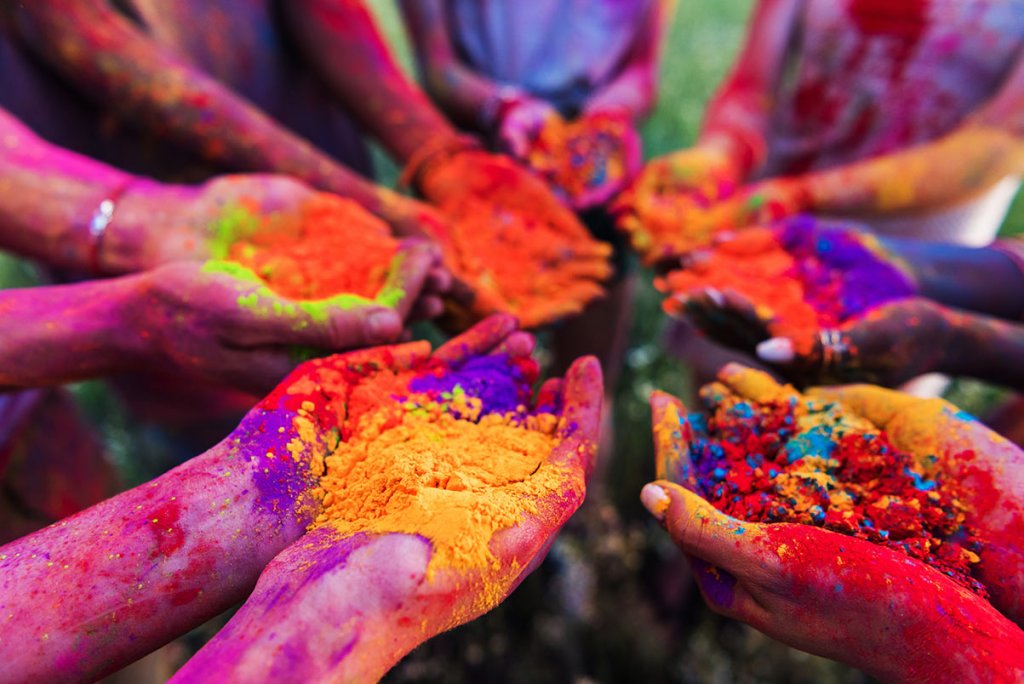
Instead of using chemical-based colors, opt for natural or organic colors made from flowers, herbs, and spices. Turmeric, beetroot, and henna are just a few examples of natural ingredients that can create vibrant, safe colors.
2. Water Conservation
Holi is known for its playful water fights, but we must be mindful of water usage. Engage in dry color throwing or use rainwater collected in barrels to conserve water.
3. Eco-Friendly Water Balloons
If you enjoy water balloon fights, consider using biodegradable balloons or use alternatives like sponge balls that can be reused, minimizing waste.
4. Sustainable Attire
Choose old clothes made from natural fibers for your Holi celebrations, as they can be recycled or reused without contributing to pollution. After the festivities, ensure you wash the clothes in an eco-friendly manner without causing harm to water bodies.
5. Community Cleanup
Post-celebration, organize a community cleanup event to collect and dispose of any waste generated during the festivities. This helps keep the environment clean and promotes a sense of responsibility.
6. Eco-Friendly Decorations
Using biodegradable or recycled materials for decorations can significantly reduce your environmental footprint. Consider using flowers, leaves, or eco-friendly streamers to adorn your venue.
Conclusion
Holi is not merely a festival of colors but a profound celebration of love, joy, and triumph over evil, encapsulated in the enchanting tale of Prahlad and Holika. By celebrating Holi with eco-friendly practices, we can honor the spirit of the festival while also taking care of our planet. Embracing sustainability ensures that we create a future where our traditions can continue to thrive without compromising the health of our environment. Let this Holi be a reflection of our commitment to a greener world, filled with joy, laughter, and vibrant colors.
Holi, जिसे रंगों का त्योहार कहा जाता है, हिंदू संस्कृति का एक प्राचीन त्योहार है जो बसंत के आगमन और अच्छाई की बुराई पर विजय का जश्न मनाता है। यह त्योहार जीवंत रंगों, आनंद भरे समारोहों और एकता की भावना से भरा होता है। होली का मुख्य आधार उन पौराणिक किस्सों में निहित है जो इस त्योहार के महत्व को बताते हैं, विशेषकर प्रहलाद और होलिका की कहानी। हाल के वर्षों में, पर्यावरण के प्रति जागरूकता बढ़ने के साथ, होली को एक इको-फ्रेंडली तरीके से मनाने पर जोर दिया जा रहा है।
प्रहलाद और होलिका की कहानी
होलिका की जड़ें हिंदू पौराणिक कथाओं में समाहित हैं, विशेषकर प्रहलाद की कथा में, जो भगवान विष्णु के एक युवा भक्त थे। प्रहलाद, हिरण्यकशिपु के पुत्र थे, जो एक शक्तिशाली दानव राजा थे जिन्हें ऐसा वरदान प्राप्त था जो उन्हें लगभग अजेय बना देता था। अपने गर्व और अभिमान से भरे हिरण्यकशिपु ने सभी से पूजा करने के लिए कहा, लेकिन प्रहलाद ने भगवान विष्णु की आराधना करना नहीं छोड़ा, जिससे उनके पिता का क्रोध बढ़ा।
हिरण्यकशिपु ने अपने पुत्र को मारने के कई असफल प्रयास किए। अंततः, उन्होंने अपनी बहन होलिका की सहायता मांगी, जिसके पास एक वरदान था जो उसे आग से अभेद्य बनाता था। दानव राजा ने होलिका को आदेश दिया कि वह प्रहलाद को अपनी गोद में लेकर आग में बैठे, विश्वास करते हुए कि आग उसे खत्म कर देगी लेकिन उसे कुछ नहीं होगा।
लेकिन भगवान विष्णु ने हस्तक्षेप किया। जैसे-जैसे आग भड़की, होलिका का वरदान उसे धोखा दे गया, और वह भस्म हो गई, जबकि प्रहलाद आग से सुरक्षित निकला। इस दिव्य पुरूषार्थ ने हिरण्यकशिपु के पतन का कारण बना और अच्छाई की विजय को स्थापित किया। होलिका की भस्म होने वाली अग्नि का प्रतीकात्मक उत्सव होली में होलिका दहन के रिवाज के माध्यम से मनाया जाता है, जहाँ लोग अग्नि के अलाव जलाते हैं जिससे धर्म की विजय का प्रतीक होता है।
इको-फ्रेंडली होली का जश्न
पर्यावरणीय मुद्दों के प्रति जागरूकता बढ़ने के साथ, होली का जश्न भी अधिक सतत प्रथाओं की ओर बढ़ रहा है। पारंपरिक होली उत्सवों में अक्सर सिंथेटिक रंगों का उपयोग होता है, जो स्वास्थ्य और पर्यावरण के लिए हानिकारक हो सकते हैं। एक इको-फ्रेंडली मनाने के लिए, यहाँ कुछ सुझाव दिए गए हैं:
1. प्राकृतिक रंग
रासायनिक रंगों के बजाय, फूलों, जड़ी-बूटियों और मसालों से बने प्राकृतिक या ऑर्गेनिक रंगों का चयन करें। हल्दी, चुकंदर, और मेहंदी कुछ ऐसे प्राकृतिक तत्व हैं जो जीवंत और सुरक्षित रंग बनाने में मदद कर सकते हैं।
2. जल संरक्षण
होली में पानी से भरी लड़ाइयाँ मशहूर हैं, लेकिन हमें पानी के उपयोग के प्रति सचेत रहना चाहिए। सूखे रंग फेंकने में भाग लें या पानी की बचत के लिए बर्तनों में इकट्ठा की गई वर्षा के पानी का उपयोग करें।
3. इको-फ्रेंडली पानी के गुब्बारे
अगर आप पानी के गुब्बारे की लड़ाइयों का आनंद लेते हैं, तो जैविक गुब्बारे का उपयोग करें या स्पंज गेंदों का विकल्प चुनें जो दोबारा इस्तेमाल की जा सकती हैं, जिससे अपशिष्ट को कम किया जा सके।
4. स्थायी वस्त्र
अपने होली उत्सव के लिए प्राकृतिक फाइबर से बने पुराने कपड़ों का चयन करें, क्योंकि ये पुनर्नवीनीकरण या पुन: उपयोग किए जा सकते हैं बिना प्रदूषण में योगदान किए। उत्सव के बाद सुनिश्चित करें कि कपड़े को पर्यावरण के अनुकूल तरीके से धोएं ताकि जल निकायों को नुकसान न पहुंचे।
5. सामुदायिक सफाई
उत्सव के बाद, किसी सामुदायिक सफाई कार्यक्रम का आयोजन करें ताकि उत्सव के दौरान उत्पन्न होने वाले किसी भी अपशिष्ट को इकट्ठा और निपटारा किया जा सके। यह पर्यावरण को स्वच्छ रखने में मदद करता है और जिम्मेदारी की भावना को बढ़ावा देता है।
6. इको-फ्रेंडली सजावट
सजावट के लिए जैविक या पुनर्नवीनीकरण सामग्रियों का उपयोग करने से आपके पर्यावरणीय पदचिन्ह को काफी कम किया जा सकता है। अपने स्थल को सजाने के लिए फूल, पत्ते, या इको-फ्रेंडली स्ट्रीमर का उपयोग करने पर विचार करें।
निष्कर्ष
होलिका सिर्फ रंगों का त्योहार नहीं है, बल्कि प्यार, खुशी और बुराई पर विजय का गहरा उत्सव है, जो प्रहलाद और होलिका की मनमोहक कथा में निहित है। इको-फ्रेंडली प्रथाओं के साथ होली का जश्न मनाकर, हम त्योहार की भावना का सम्मान कर सकते हैं जबकि हम अपने ग्रह का भी ध्यान रखते हैं। स्थिरता को अपनाना यह सुनिश्चित करता है कि हम एक ऐसा भविष्य बनाएं जहाँ हमारी परंपराएँ बिना पर्यावरण के स्वास्थ्य से समझौता किए बिना फलती-फूलती रहें। इस होली को हमारे ग्रीन वर्ल्ड के प्रति प्रतिबद्धता का प्रतीक बनाएं, जो खुशी, हंसी और जीवंत रंगों से भरा हो।









 BoldVoices.in
Leave a comment