
Hate speech and polarization have become pivotal issues in today’s society, contributing significantly to communal tensions and the rise of misinformation wars. These phenomena are intricately linked, creating a feedback loop that exacerbates divisions within communities. This article delves into the nature of hate speech, its role in societal polarization, and how misinformation fuels these tensions.
Defining Hate Speech
Hate speech is any form of communication that belittles, discriminates against, or promotes violence towards individuals or groups based on attributes such as race, ethnicity, nationality, religion, sexual orientation, or gender identity. The definition can vary across jurisdictions and cultures, but the underlying theme remains the same: the intention to harm or incite hatred against particular groups.
Legal Frameworks
Many countries have enacted laws to curb hate speech, yet the balance between freedom of expression and protection from hate is delicate. For example, while the United States prioritizes free speech under the First Amendment, European nations often impose stricter regulations against hate-inspired communication.
The Rise of Polarization
Polarization refers to the increasing ideological distance between people, particularly in political contexts. It manifests as a deep emotional and psychological divide, often leading to hostility between different groups. This divide is fueled by various factors, including social identity, economic disparities, and the echo chamber effect in media consumption.
Social Media and Echo Chambers
The proliferation of social media platforms has intensified polarization. These platforms often encourage users to interact primarily within their own ideological groups, which can lead to confirmation bias. Users gravitate towards content that reinforces their beliefs, intensifying divisions and reducing exposure to opposing viewpoints.
Role of Algorithms
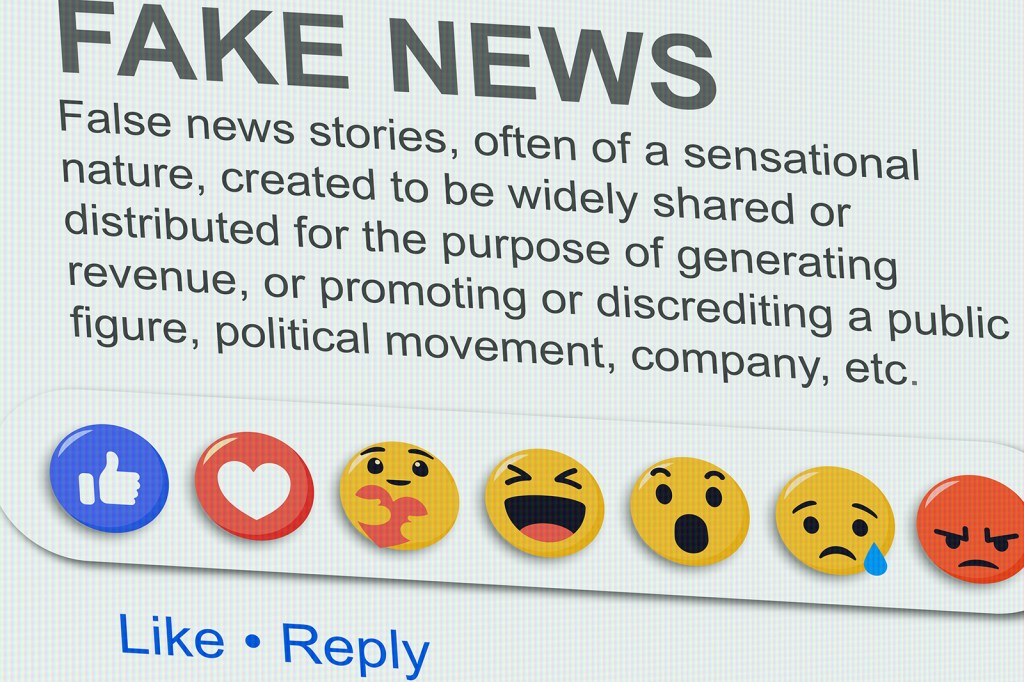
Social media algorithms play a significant role in polarization by promoting sensational content that generates engagement, often at the expense of factual accuracy. This creates an environment where hate speech can flourish as such content is more likely to go viral, further entrenching polarized views.
Misinformation Wars
Misinformation refers to false or misleading information spread regardless of intent, while disinformation is the deliberate spread of false information to deceive. Both contribute to societal fragmentation and communal tensions.
Misinformation and Hate Speech
Misinformation can serve as a catalyst for hate speech, often amplifying distrust among communities. False narratives about certain groups can lead to dehumanization, making it easier for individuals to justify hateful rhetoric and actions. For instance, misinformation regarding immigration can lead to increased hate speech against immigrant communities.
Case Studies
Several conflict situations worldwide illustrate the impact of misinformation and hate speech on communal tensions. The Rwandan Genocide in 1994 is a tragic example, where media played a crucial role in spreading hate speech against the Tutsi minority. More recently, the rise of ethno-nationalist rhetoric in various countries has been exacerbated by misinformation campaigns on social media, leading to civil unrest.
Combating Hate Speech and Polarization
Addressing hate speech and polarization requires a multifaceted approach:
Education and Awareness
Promoting media literacy is essential to empower individuals to critically evaluate the information they consume. Education programs focusing on diversity, inclusion, and the consequences of hate are vital in fostering understanding and tolerance among communities.
Policy and Regulation
Governments and organizations must work to create and enforce policies that address hate speech while safeguarding free expression. Collaboration with tech companies to develop responsible content moderation practices can help mitigate the spread of harmful misinformation.
Building Bridges
Encouraging dialogue between polarized groups can promote understanding and empathy. Initiatives that foster cross-community interactions can help break down stereotypes and reduce animosity.
Supporting Fact-Checking Initiatives
Investing in fact-checking organizations and promoting credible news sources can help counteract misinformation. Supporting grassroots movements that advocate for truthfulness in communication can also play a role in reducing communal tensions.
Conclusion
The interplay between hate speech, polarization, and misinformation poses significant challenges in today’s society. Understanding these dynamics is crucial for developing effective strategies to foster harmonious coexistence among diverse communities. By prioritizing education, open dialogue, and responsible communication, society can work towards mitigating the effects of hate and misinformation, paving the way for a more united future.









 BoldVoices.in
Leave a comment