
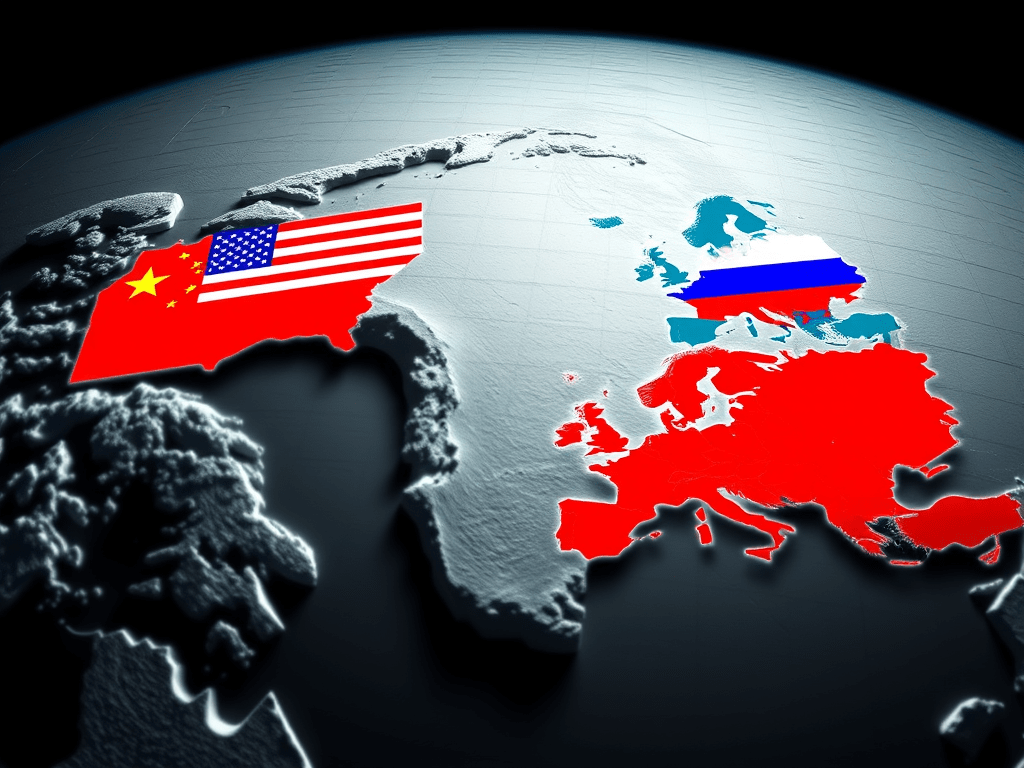
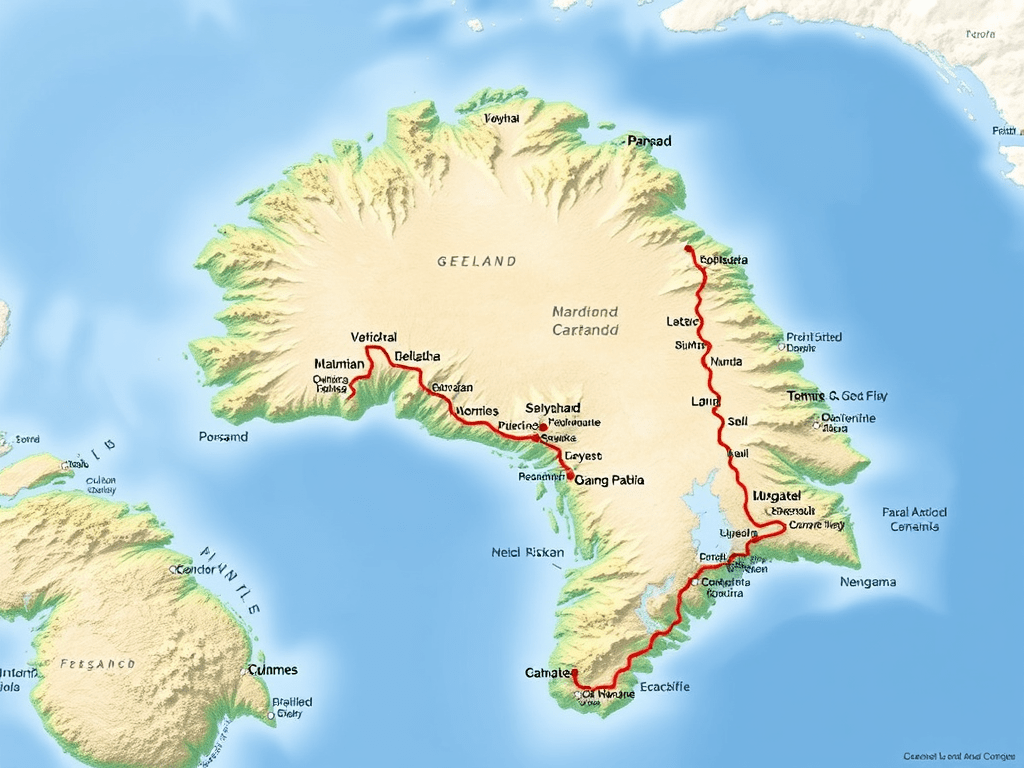
Greenland, the world’s largest island, is experiencing profound transformations due to climate change. The unprecedented melting of its ice sheets is not merely an environmental concern; it unveils vast reserves of rare earth elements (REEs) that have sparked considerable global interest. As nations such as China and the United States pursue mining opportunities, the geopolitical landscape is shifting, with implications for international relations, economic strategies, and Indigenous rights.
The Melting Ice and Mineral Wealth
Climate change is causing Greenland’s glaciers to retreat at an alarming rate. This thawing has eliminated the ice cover that previously obscured substantial quantities of rare earth elements, essential materials in high-tech industries, renewable energy systems, and military applications. Elements like neodymium, dysprosium, and lanthanum are crucial for the production of magnets used in everything from electric vehicles to wind turbines.
Economic Incentives
The potential economic benefits of mining in Greenland cannot be overstated. Governments and corporations are keen to exploit these resources, leading to significant investments in mining exploration. According to estimates, Greenland’s mineral wealth could play a pivotal role in global supply chains and reduce reliance on less stable sources, particularly from China, which currently dominates the REE market.
Geopolitical Competition
U.S. Interests
The geopolitical importance of Greenland has garnered significant attention from the United States. Recognizing the strategic value of the island, the U.S. has been increasing its military presence in the Arctic and participating in diplomatic initiatives to cement alliances with Greenland and Denmark. The U.S. views the access to rare earth elements as part of a broader strategy to ensure national security and supply chain stability in the face of growing Chinese influence.
China’s Economic Ambitions
Conversely, China is actively seeking to establish its foothold in Greenland through mining ventures and infrastructural investments. Chinese companies have expressed interest in rare earth mining projects, viewing Greenland’s resources as pivotal to maintaining its manufacturing and technological superiority. By fostering relationships with Greenlandic officials and communities, China aims to secure access to these essential minerals while increasing its influence in the Arctic region.
Environmental Concerns and Indigenous Rights
Despite the economic allure of mining, there are significant environmental and social implications. The prospect of mining operations raises concerns about the ecological impact on Greenland’s fragile environment. The delicate balance of its ecosystems could be disrupted, affecting wildlife and local communities that depend on the land for their livelihoods.
Furthermore, the Indigenous populations of Greenland, including the Kalaallit people, have historically faced challenges related to land rights and resource management. The rush for rare earth elements poses a risk of marginalizing these communities and their voices in agreements that could reshape their futures. Sustainable practices and respect for Indigenous rights must be prioritized to prevent exploitation.
Conclusion
Greenland’s geopolitical significance is rising as melting ice reveals a treasure trove of rare earth elements. This newfound wealth adds layers of complexity to international relations, especially as nations like the U.S. and China vie for influence in the Arctic. However, alongside the economic benefits, there lies a pressing need to approach this situation with a commitment to environmental stewardship and respect for Indigenous rights. As global warming reshapes not just the landscape but the geopolitical map, the future of Greenland will be defined by the policies and practices adopted today.










 BoldVoices.in
Leave a comment