
Introduction
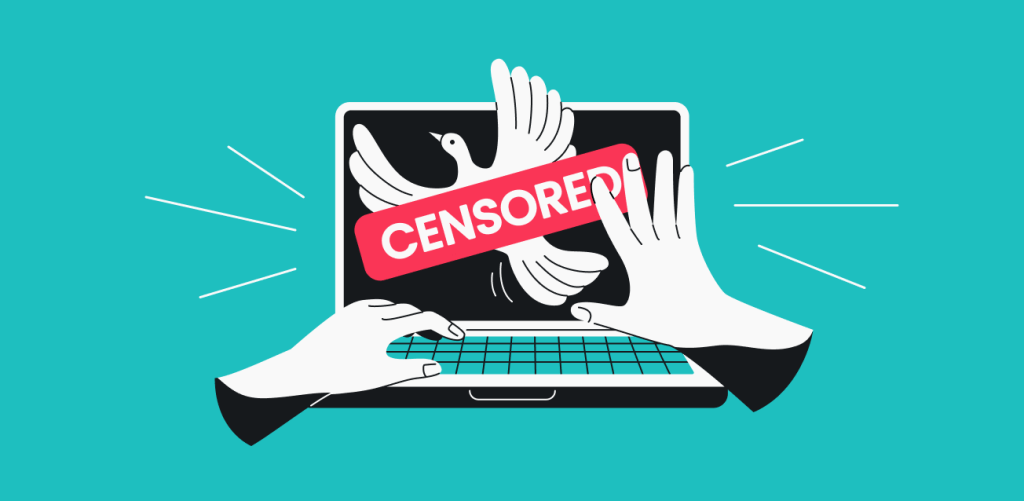
Government censorship, particularly in the digital age, has emerged as a pressing issue that affects millions around the globe. This phenomenon extends beyond mere regulation of content; it encompasses internet shutdowns, media freedom limitations, and the broader implications for democracy and human rights. This article explores the various dimensions of government censorship, emphasizing internet shutdowns and the impact on media freedom.
Understanding Government Censorship
Government censorship refers to the control exercised by authorities over information and communication. This can take numerous forms, including:
- Direct censorship: The prohibition of specific content, which may include news articles, social media posts, or academic publications.
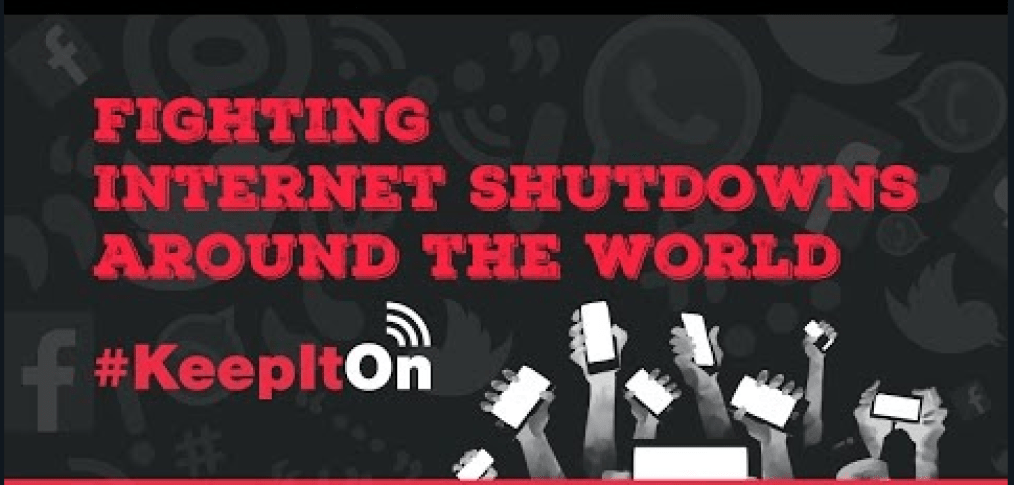
- Internet shutdowns: Temporary or permanent disconnection from the internet, often enacted during social unrest or critical political events.
- Media control: Manipulation of media outlets, including television, radio, and online news platforms, to align with government narratives.
The primary justifications for these actions often include national security, public order, and the protection of social morals. However, such measures frequently stifle free expression and impede the fundamental right to information.
Internet Shutdowns
Reasons Behind Internet Shutdowns
Governments may employ internet shutdowns as a technique to control public discourse. Some common reasons include:
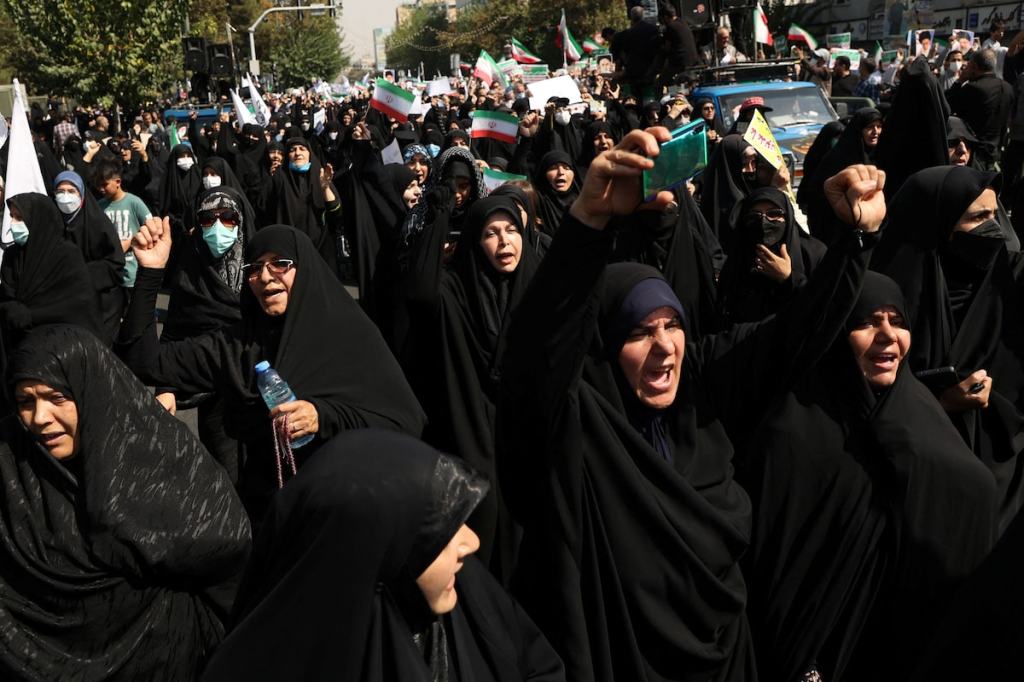
- Political protests: In times of political unrest, regimes may cut off internet access to prevent the organization of protests or the spread of dissenting views.
- Elections: Leading up to or during elections, authorities might shut down internet services to suppress opposition campaigns and control the narrative surrounding the electoral process.
- National security: In the wake of terrorist attacks or significant security threats, governments might argue that shutting down the internet is necessary to maintain public safety.
Impact on Society
The consequences of internet shutdowns are profound and wide-ranging:
- Information void: During shutdowns, citizens cannot access critical information, leading to misinformation and confusion.
- Economic loss: Businesses that rely on the internet suffer significant losses during shutdowns, affecting not only the companies but also employees and the broader economy.
- Inhibited communication: The ability to communicate and organize is severely hampered, limiting individuals’ capacity to express grievances or advocate for change.
Examples of Internet Shutdowns
Countries like India, Iran, and Egypt have implemented internet shutdowns during periods of civil unrest. For instance, during the 2019 protests in India’s Kashmir region, the government imposed a months-long internet blackout, citing security concerns. Such actions highlight a pattern of using digital disconnection as a means of control.
Media Freedom and Censorship
The Role of Media
A free and independent media is a cornerstone of democracy. It serves as a watchdog, informs the public, and facilitates discussion. However, when governments impose censorship on media outlets, the consequences can be dire.
Methods of Media Censorship
Governments use various methods to control the press:
- Licensing and regulations: Restrictive licensing can limit media outlets, with authorities regulating who can publish or broadcast.
- Harassment and intimidation: Journalists often face threats, violence, or imprisonment for reporting on sensitive issues, leading to self-censorship among media professionals.
- Ownership control: When state or private interests align with government objectives, media ownership can lead to biased reporting and a lack of diverse perspectives.
Effects on Journalism
The chilling effect of censorship can lead to:
- Restricted investigative journalism: Journalists may avoid covering issues that are critical of the government, resulting in a lack of accountability.
- Homogenized narratives: With fewer voices allowed, the media landscape becomes uniform, limiting public debate and information diversity.
- Public trust erosion: Citizens may lose faith in media outlets, believing them to be instruments of government propaganda rather than sources of unbiased information.
Global Implications
International Response to Censorship
The global community has expressed concern over government censorship. International organizations, such as Human Rights Watch and Amnesty International, advocate for media freedom and the right to internet access as fundamental human rights. Efforts include:
- Advocacy campaigns: Raising awareness about censorship issues and supporting media professionals in repressive environments.
- Policy interventions: Encouraging nations to adhere to international human rights standards and ensure media freedom.
The Future of Government Censorship
While technology provides new avenues for communication and expression, it also presents challenges for governments that seek to control information. The rise of surveillance technologies, for example, can lead to increased government oversight of citizens’ online activities.
However, resistance is also growing. Movements advocating for digital rights and free expression are gaining traction, aided by encrypted communication technologies that allow users to circumvent censorship in oppressive regimes.
Conclusion
Government censorship, particularly through internet shutdowns and media control, poses significant challenges to democracy, human rights, and societal progress. The interplay between freedom of expression and state control continues to evolve, with technology playing a pivotal role in both enforcing and resisting censorship. As citizens and organizations strive for transparency and accountability, the need for a free and open internet remains critical in the fight against government censorship. The future of media freedom and digital rights will depend on collective efforts to uphold these values in the face of growing authoritarianism.








 BoldVoices.in
Leave a comment