
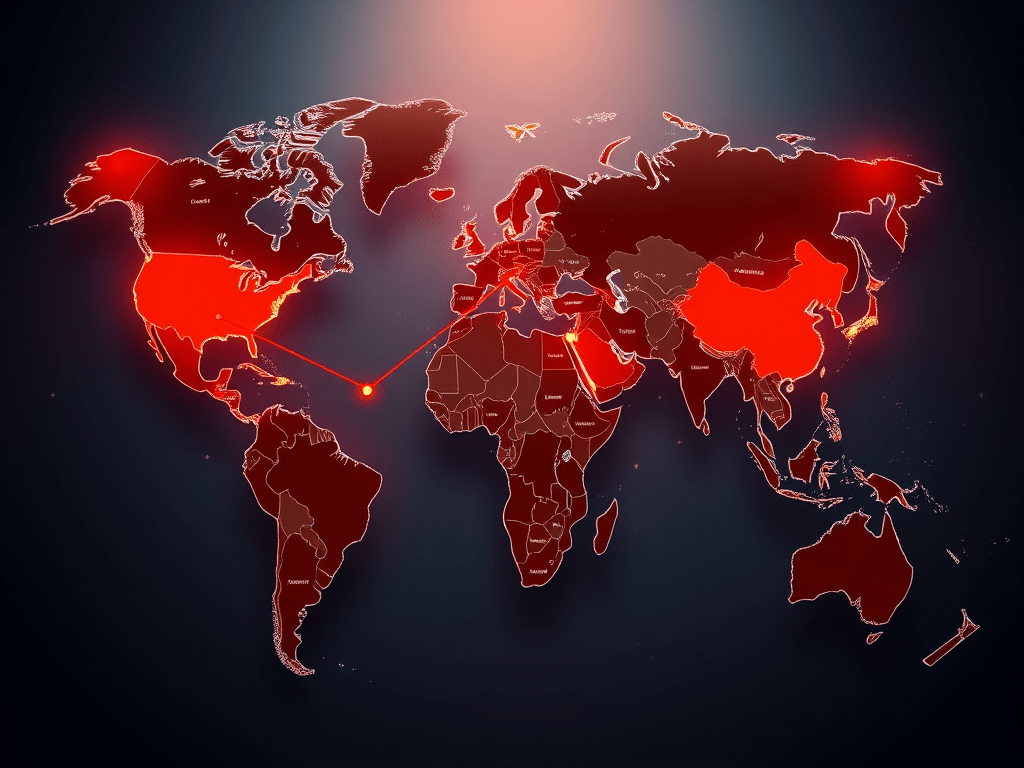
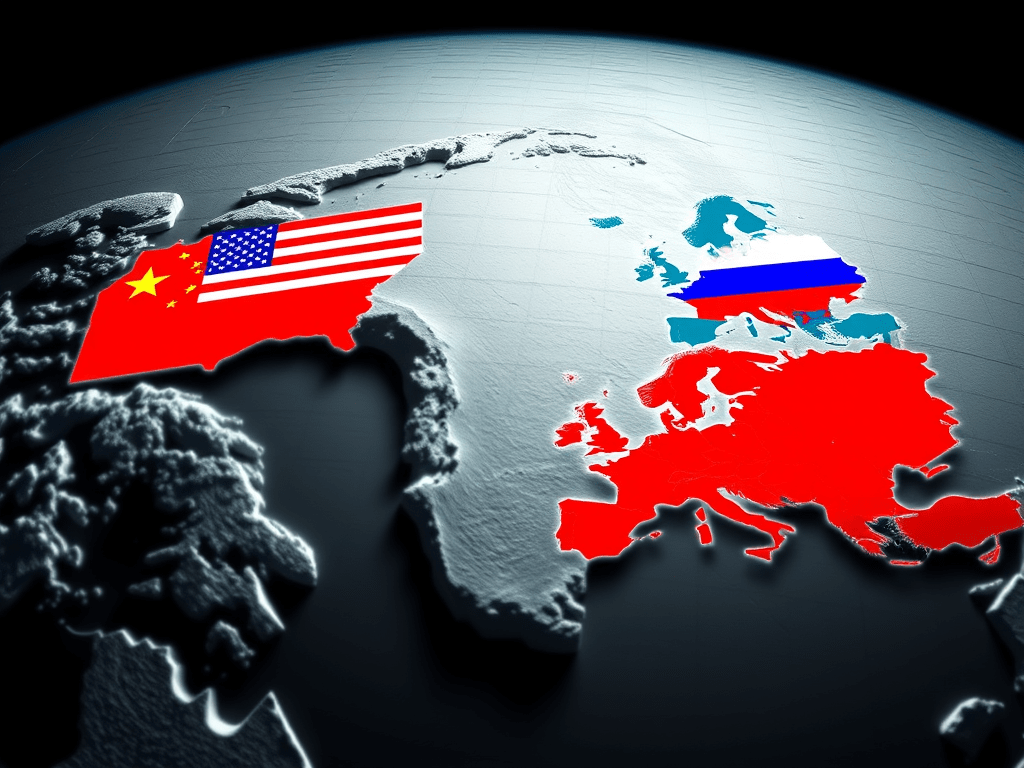
In recent years, global trade tensions have escalated significantly, driven by a series of protectionist measures implemented by various countries. Central to these developments is the United States, which has adopted a confrontational stance against several major trading partners, including China, Mexico, Canada, and the European Union. These actions have reshaped international trade dynamics and raised concerns about the long-term impact on global economic growth.
The Rise of Protectionism
Protectionism refers to economic policies designed to restrict imports and promote domestic industries. Such policies often include tariffs, quotas, and subsidies. In the context of rising global trade tensions, the U.S. administration has instituted significant tariffs on imported goods from countries deemed to engage in unfair trade practices.
Key Trade Measures
- Tariffs on China: The U.S. initiated multi-billion dollar tariffs on Chinese goods, citing concerns over intellectual property theft and unfair trade practices. These tariffs aim to reduce the U.S. trade deficit with China, which has long been a point of contention in bilateral relations.
- Tariffs on Allies: The United States also imposed tariffs on steel and aluminum imports from allies like Canada and members of the European Union. These measures, originally justified on national security grounds, have led to retaliatory tariffs from these countries.
- Impact on NAFTA: The renegotiation of the North American Free Trade Agreement (NAFTA) into the United States-Mexico-Canada Agreement (USMCA) further illustrates the U.S. desire to redefine trade relationships in a more favorable light, aiming to bring manufacturing jobs back to American soil and reduce trade imbalances.
Implications for Global Trade
The implementation of these protectionist measures has had profound implications for global trade patterns:
Disruption of Supply Chains
Many industries rely on complex supply chains that span multiple countries. Tariffs can disrupt these networks, leading to increased costs for producers and consumers. Companies may be forced to shift sourcing strategies or relocate production, which could lead to inflationary pressures as costs rise.
Market Volatility
The uncertainty surrounding trade policies has contributed to market volatility. Investors respond to changing trade landscapes by adjusting their portfolios, often leading to fluctuations in stock prices and currency values. This instability can hinder long-term investment and economic growth.
Retaliatory Measures
Countries targeted by U.S. tariffs have often responded with their own tariffs, leading to a tit-for-tat escalation of protectionist policies. This cycle not only exacerbates tensions but can result in a broader trade war, affecting not just the directly involved nations, but also third parties reliant on stable trade conditions.
Global Economic Growth
The World Trade Organization (WTO) and various economic experts have warned that increased protectionism could lead to a slowdown in global economic growth. As trade barriers rise, the global economy, which thrives on interconnected exchanges and collaboration, may face stagnation due to reduced consumer choice and higher prices.
Conclusion
Global trade tensions and the rise of protectionism signal a significant shift in international trade policy. While the intent behind tariffs and trade negotiations may be to protect domestic industries and reduce trade deficits, the consequences risk disrupting established trade relationships and creating market instability. As nations grapple with these challenges, the focus will need to shift towards mutually beneficial trade agreements that promote cooperation rather than conflict. Ensuring a balanced approach to trade could be crucial for future economic stability and growth on a global scale.









 BoldVoices.in
Leave a comment