
In recent years, trade policies and tariffs have played a significant role in shaping the landscape of the automobile industry. Global automakers have expressed growing concerns about the implications of tariffs introduced during Donald Trump’s presidency. The fallout from these tariffs extends beyond corporate profits, influencing consumer prices and market dynamics in the United States.
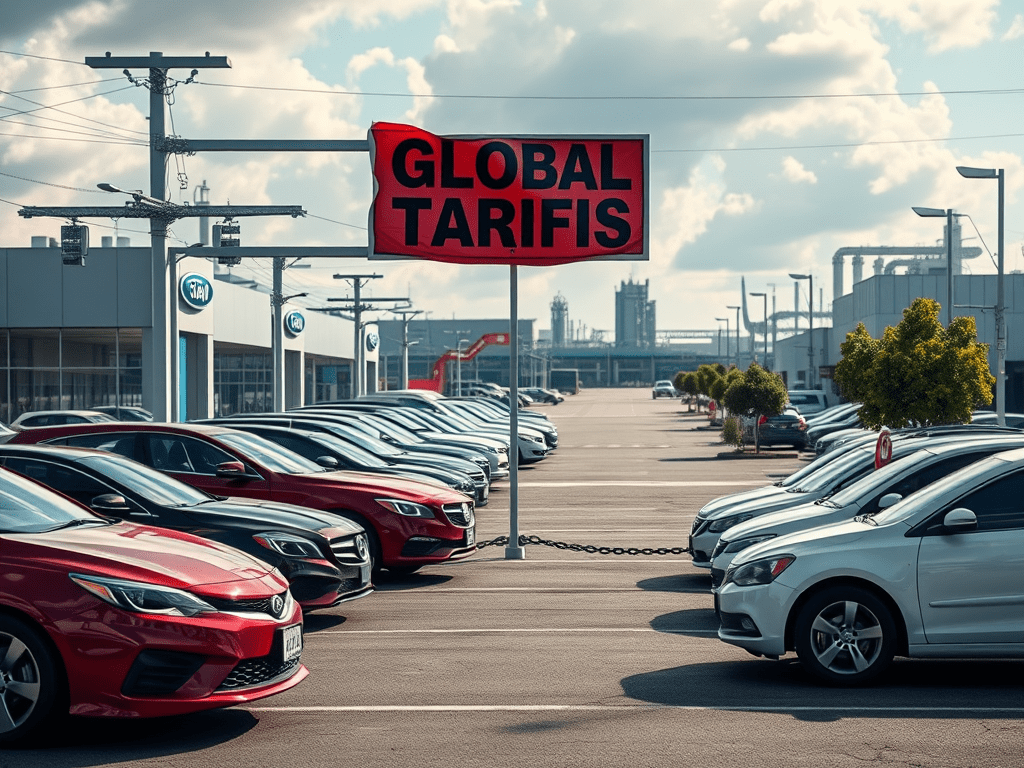

Background on Tariffs
In 2018, the Trump administration announced tariffs on imported steel and aluminum, which had a direct impact on various sectors, including the automotive industry. The rationale behind these tariffs was to protect American jobs and industries from what was perceived as unfair competition. However, global automakers warned that these tariffs could lead to increased production costs that would eventually be passed on to consumers.
Impacts on Automakers
- Increased Production Costs: Tariffs on steel and aluminum led to higher material costs for car manufacturers. Since these materials are essential for vehicle production, automakers have had to reassess their pricing strategies to maintain profit margins.
- Supply Chain Disruptions: Global automakers often rely on a vast network of international suppliers. Tariffs can disrupt these supply chains, causing delays and inefficiencies. Companies may face challenges in sourcing materials at competitive prices or may be forced to relocate production facilities.
- Reduced Competitiveness: U.S. automakers competing with foreign manufacturers watched as tariffs altered the competitive landscape. Companies that relied on imported parts or vehicles found themselves at a disadvantage due to the additional costs associated with tariffs.
Effects on Consumers
The consequences of tariffs are not only felt by automakers; U.S. consumers are also affected in several significant ways:
- Higher Vehicle Prices: As automakers pass on increased production costs to consumers, the price of vehicles has surged. Consumers may find themselves paying more for cars, trucks, and SUVs, making it difficult for many to afford a new vehicle.
- Fewer Choices: With manufacturers facing higher costs, some automakers have opted to reduce the number of models they produce or even exit certain market segments altogether. Consumers may find fewer options available, particularly in more affordable vehicle categories.
- Impact on the Economy: Higher vehicle prices can lead to decreased sales, ultimately affecting jobs within the automotive sector and related industries. If fewer consumers can afford new vehicles, the cascading effects could ripple through the economy, impacting everything from manufacturing to retail.
Industry Response
In response to the tariffs, global automakers have taken several approaches:
- Advocating for Policy Changes: Many industry leaders have lobbied for the reduction or elimination of tariffs, arguing that they harm both manufacturers and consumers. They have sought to engage with policymakers to highlight the negative impacts of such trade barriers.
- Investing in Domestic Production: Some automakers have shifted focus to increase domestic production to mitigate the effects of tariffs. By investing in U.S. factories and sourcing materials locally, companies attempt to lessen their reliance on imported goods.
- Increasing Collaboration: Automakers are collaborating on various initiatives to address supply chain issues and promote sustainable practices, recognizing the interconnected nature of the global automotive market.
Conclusion
The tariffs imposed during Donald Trump’s presidency have introduced significant challenges for global automakers and U.S. consumers alike. As the automotive industry navigates this complex landscape, understanding the broader implications of these trade policies will be crucial. Both automakers and consumers hope for a future that balances protectionist measures with the need for competitive pricing and diverse vehicle options in the marketplace. As trade dynamics continue to evolve, the automotive industry must adapt to ensure sustainable growth and consumer satisfaction.










 BoldVoices.in
Leave a comment