
The Arctic has become a critical arena for geopolitical competition among global powers, particularly between the United States, Russia, and NATO allies. As of 2025, rising temperatures, melting ice, and the strategic interests of these nations have led to heightened tensions over territorial claims, resource access, and military positioning in the region. This article delves into the complex interplay of these factors impacting U.S.-Russia relations and NATO’s role in Arctic geopolitics.
The Changing Arctic Landscape
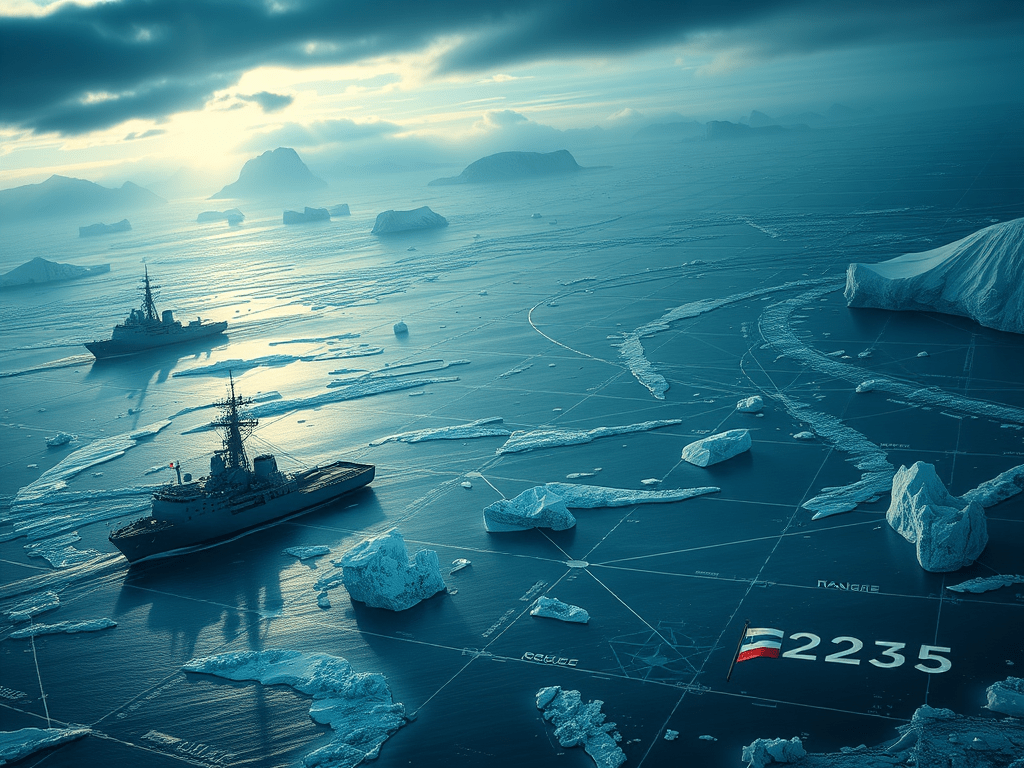
Climate change has dramatically transformed the Arctic, causing unprecedented melting of sea ice and opening new shipping lanes. The Northern Sea Route along the Russian coast and the Northwest Passage through Canadian waters have become more accessible, facilitating international trade and resource extraction. By 2025, this shift has prompted significant interest from both Arctic and non-Arctic nations, intensifying the competition for control over these key routes and the vast resources they may hold.
Territorial Claims and Legal Frameworks
The Arctic is subject to overlapping territorial claims, primarily shaped by the United Nations Convention on the Law of the Sea (UNCLOS). In this context, the United States and Russia have made competing claims regarding their continental shelves and exclusive economic zones.
Russia’s Assertive Claims
Russia has been assertive in its territorial claims, capitalizing on its geographic advantages and conducting scientific expeditions to support its assertions of extended continental shelf rights. By 2025, Moscow has submitted new claims to the UN, asserting control over significant portions of the Arctic Ocean, thereby amplifying existing tensions with both neighboring countries and NATO allies.
U.S. and NATO Responses
The U.S. has not ratified UNCLOS, complicating its legal position regarding Arctic claims. However, it has conducted its own Arctic mapping and scientific research to bolster its claims. NATO, comprising several Arctic nations, has shown a unified front in addressing Russian assertiveness. In 2025, NATO members have increased diplomatic efforts to ensure freedom of navigation and uphold international law in the Arctic, emphasizing the importance of collaboration among member states.
Military Dynamics and Strategic Posturing
Russia’s Military Expansion
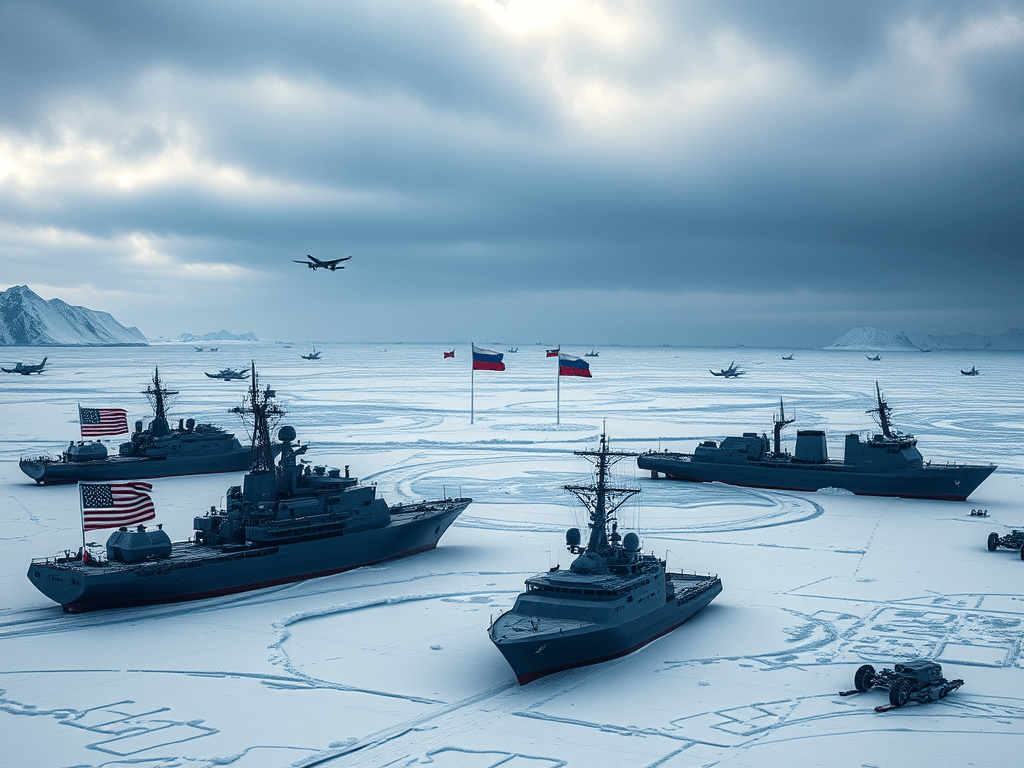
In recent years, Russia has significantly expanded its military capabilities in the Arctic, focusing on building new bases, bolstering its naval presence, and enhancing aerial patrols. By 2025, Russia’s Arctic military strategy emphasizes securing its borders and asserting dominance over its territorial claims. The establishment of military infrastructure on various Arctic islands and in the Kara Sea has raised alarms among NATO members regarding potential threats to regional security.
U.S. and NATO Military Strategy
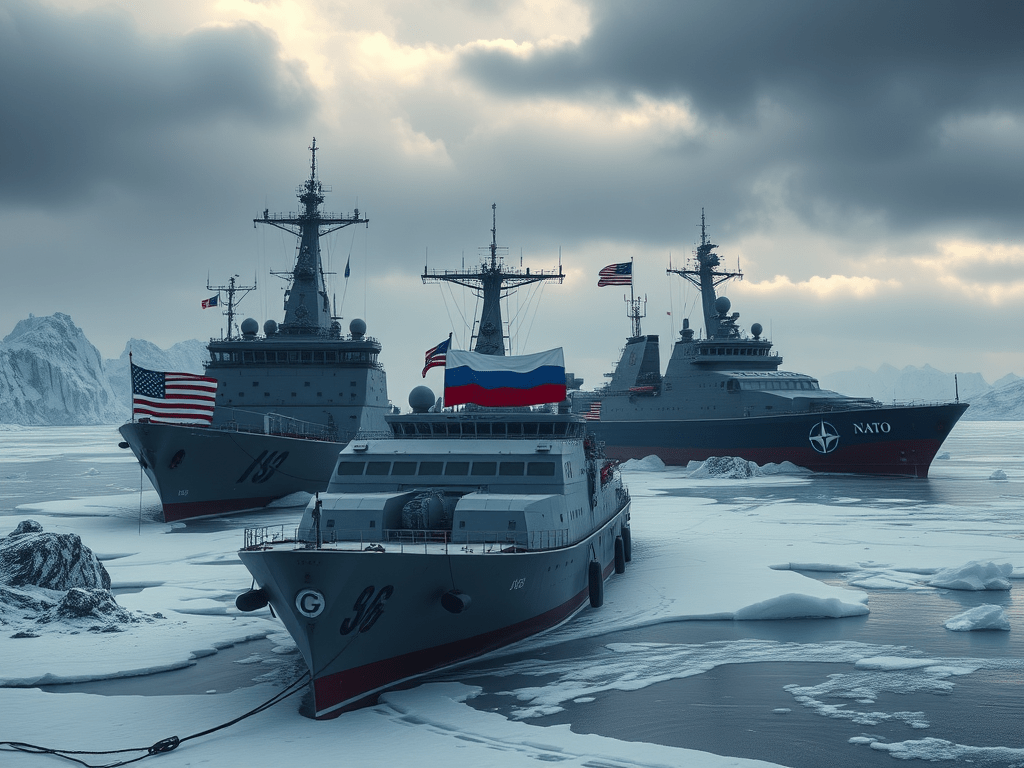
In response to Russia’s military enhancements, the U.S. and NATO have ramped up their presence in the Arctic. The U.S. Navy has increased its operational tempo, conducting freedom of navigation operations and joint exercises with NATO allies, particularly in the Barents Sea and North Atlantic. In 2025, these military activities have served as a demonstration of commitment to Arctic security, especially amid rising tensions with Russia. NATO’s strategic posture includes collaborative training exercises, intelligence sharing, and investment in Arctic defense capabilities, reflecting an urgency to counterbalance Russia’s military assertiveness.
Economic Interests and Resource Competition
Resource Exploration
The Arctic is rich in natural resources, including oil, gas, and minerals. As of 2025, both the U.S. and Russia continue to vie for access to these resources. Russia has been actively investing in its Arctic energy sector, while the U.S., though more reserved in its approach due to environmental considerations, has engaged in exploratory drilling campaigns off the Alaskan coast.
The competition for Arctic resources is exacerbated by the potential for economic exploitation, leading to tensions and potential conflicts over territorial waters and rights to extract resources.
Shipping Routes and Global Trade
The substantial changes in Arctic ice coverage have enhanced the viability of key shipping routes. Russia promotes the Northern Sea Route as crucial for its economic strategy, while the U.S. emphasizes the necessity of maintaining open navigation in Arctic waters as a matter of international law. In 2025, NATO’s collective stance on ensuring freedom of navigation underscores the alliance’s broader goal to counter Russian influence and protect shipping interests.
Indigenous Rights and Environmental Concerns
The geopolitical race in the Arctic raises significant environmental and indigenous rights issues. The region’s delicate ecosystems face threats from industrial activities and climate change. Indigenous communities are increasingly advocating for their rights and environmental protection, demanding a seat at discussions that impact their lands and livelihoods. In 2025, collaborations between Indigenous groups and environmental organizations have gained traction, calling for sustainable development practices and active participation in decision-making processes.
Conclusion
The geopolitical tensions in the Arctic among the United States, Russia, and NATO in 2025 reflect a complex interplay of territorial disputes, resource competition, and military strategy. As climate change continues to reshape the region, the contest for influence and control intensifies. Navigating these challenges will require diplomacy, cooperation, and adherence to international law to ensure stability and promote sustainable development in the Arctic. As all parties contend with national interests and global responsibilities, the future of Arctic geopolitics remains uncertain, underscoring the need for collaborative frameworks to address both security and environmental concerns.









 BoldVoices.in
Leave a comment