
Introduction
The displacement of tribal communities is a critical issue that has garnered increasing attention in recent years. As globalization and industrialization progress, indigenous peoples often find themselves at the forefront of conflicts arising from mining, deforestation, and other resource extraction activities. This article delves into the causes, consequences, and potential solutions to the displacement of tribal communities due to these conflicts.
Understanding Tribal Displacement
Definition and Context
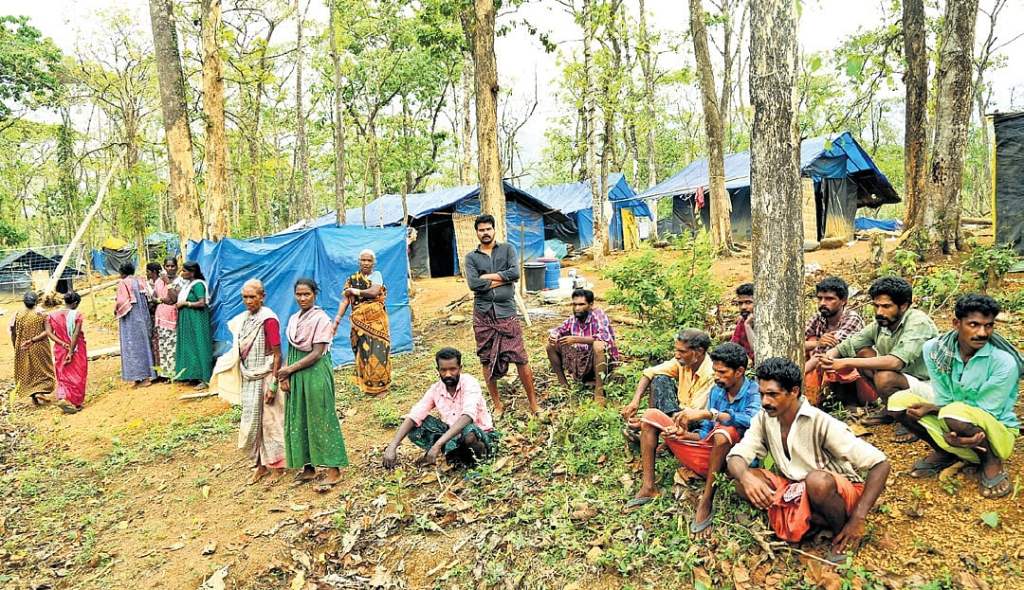
Tribal displacement refers to the forced removal or relocation of indigenous and tribal populations from their ancestral lands. This process can occur for various reasons, with mining operations and deforestation being two of the most significant drivers. The lands that these communities occupy are often rich in natural resources, making them targets for exploitation by corporations and governments.
Historical Perspective
Historically, tribal communities have faced colonization, land appropriation, and cultural erasure. The modern era has seen a continuation of these injustices under the guise of economic development. This displacement often leads to significant changes in the social, economic, and cultural fabric of these communities.
Mining and Its Impact on Tribal Communities
The Mining Boom
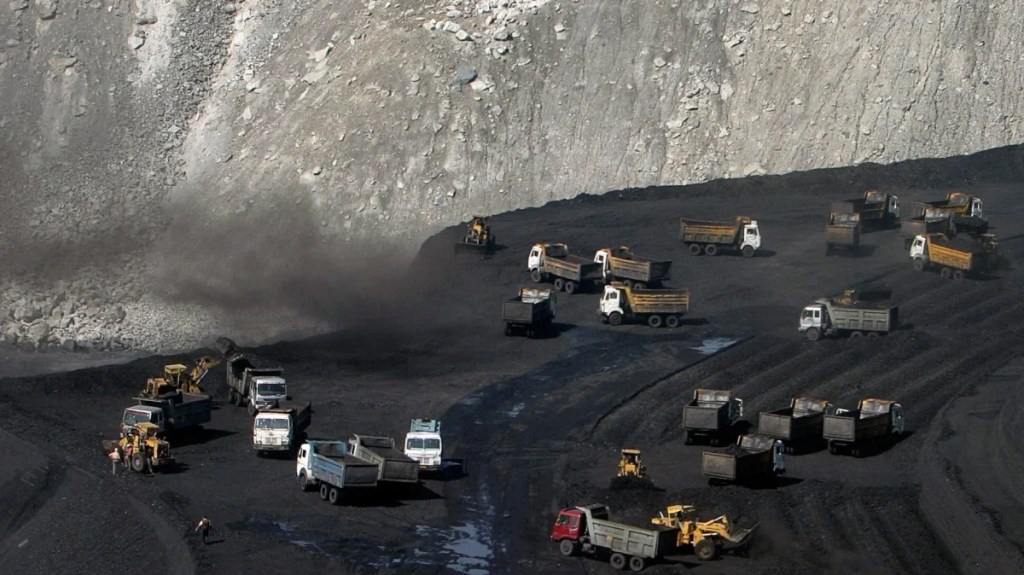
The global demand for minerals and resources has led to a mining boom, particularly in developing countries. Gold, coal, copper, and rare earth metals are among the resources frequently extracted, often from regions inhabited by tribal populations.
Environmental Degradation
Mining activity can result in severe environmental degradation, including deforestation, water pollution, and soil erosion. These changes threaten the livelihoods of tribal communities, who often rely on the land for their sustenance, cultural practices, and economic activities.
Case Study: The Brazilian Amazon
In the Brazilian Amazon, illegal gold mining has surged in recent years. Thousands of indigenous people have been displaced as miners invade their territories, leading to violent confrontations and ecological devastation. This not only harms the environment but also erodes tribal identity and heritage.
Socioeconomic Consequences
The displacement caused by mining often leads to economic instability for tribal communities. Traditional livelihoods such as agriculture, hunting, and gathering are disrupted. Additionally, the influx of workers into these areas can result in increased crime rates, social stratification, and the breakdown of community cohesion.
Deforestation and Its Effects on Tribal Communities
Causes of Deforestation
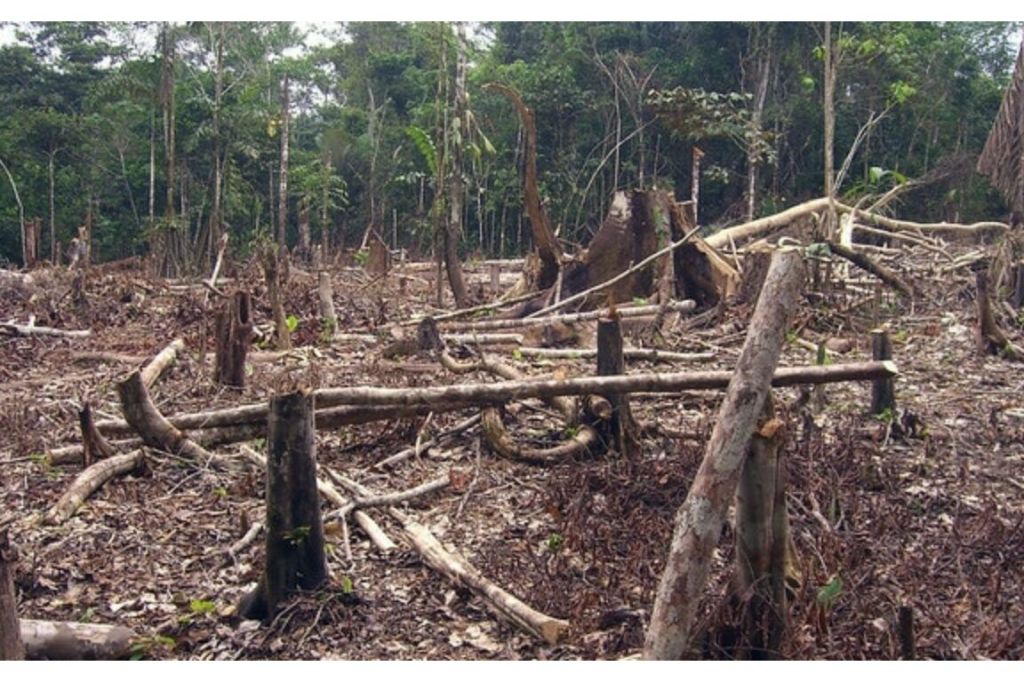
Deforestation, primarily driven by logging, agriculture, and infrastructure development, has catastrophic effects on tribal populations. Large swathes of forest that once supported these communities are cleared for plantation-based agriculture or commercial logging.
The Loss of Biodiversity
Tribal communities depend on biodiverse ecosystems for their food, medicine, and cultural practices. The destruction of forests not only threatens their survival but also leads to the loss of traditional knowledge and practices related to biodiversity conservation.
Case Study: Southeast Asia
In Southeast Asia, extensive palm oil plantations have led to substantial deforestation. Indigenous groups have been forcibly evicted from their lands, and their rights often go unrecognized. The result is a dramatic increase in both poverty and healthcare challenges in these communities.
Legal Framework and Rights of Tribal Communities
National and International Laws
The rights of tribal communities are protected under various national and international legal frameworks, including treaties and conventions. However, enforcement is often weak, and these laws are frequently ignored in favor of economic interests. The United Nations Declaration on the Rights of Indigenous Peoples (UNDRIP) emphasizes the importance of recognizing and respecting the rights of indigenous peoples, including their land rights.
Case Law and Land Rights
Several landmark cases have arisen, where indigenous groups have fought for their land rights. Legal battles can be a lengthy process, often resulting in inadequate protections against encroachment and exploitation.
Solutions and Initiatives
Empowering Tribal Communities
To counteract the effects of displacement, it is crucial to empower tribal communities. This can be achieved through education, legal representation, and fostering self-determination. Creating awareness and supporting grassroots movements can bolster their fight for land and rights.
Sustainable Development Practices
Incorporating sustainable practices into resource management can help mitigate the impacts of mining and deforestation. Sustainable forestry, eco-friendly mining techniques, and community-based conservation can offer alternative livelihoods that respect both culture and environment.
Advocacy and Policy Reform
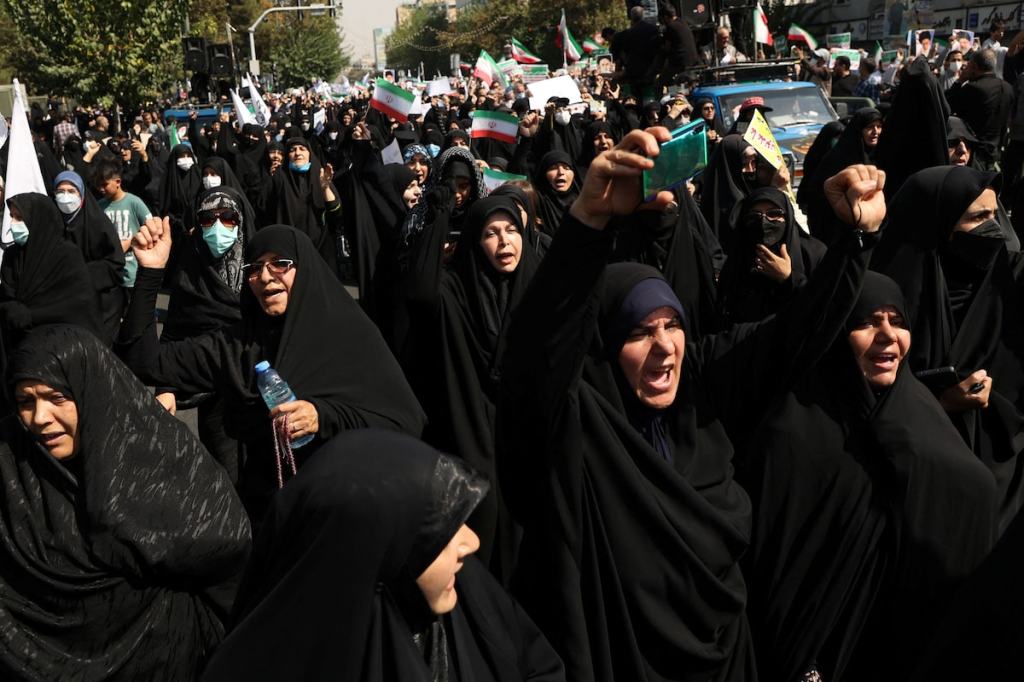
Advocacy groups play a vital role in raising awareness and pushing for policy reforms. National governments and international organizations must prioritize the rights of tribal communities and ensure that their voices are heard in development discussions.
Conclusion
The displacement of tribal communities due to mining and deforestation is a complex issue that requires urgent attention. As the fight for resources intensifies, the rights of indigenous peoples must be upheld and prioritized. Sustainable development and the empowerment of tribal communities are critical to addressing these injustices and ensuring that they can thrive in their ancestral homelands. Protecting these communities helps preserve not just their culture and identity but also contributes to the overall health of our planet.









 BoldVoices.in
Leave a comment