
Introduction
The conflict in Ukraine, significantly impacted by geopolitical tensions and local dynamics, continues to evolve as we move through 2023, 2024, and potentially into 2025. The struggle embodies a complex mixture of military engagements, international relations, and societal challenges that shape the future of Ukraine and the region. This article examines the anticipated developments and ongoing dynamics within the context of this protracted conflict.
Current State of the Conflict (2023)
Ongoing Military Engagement
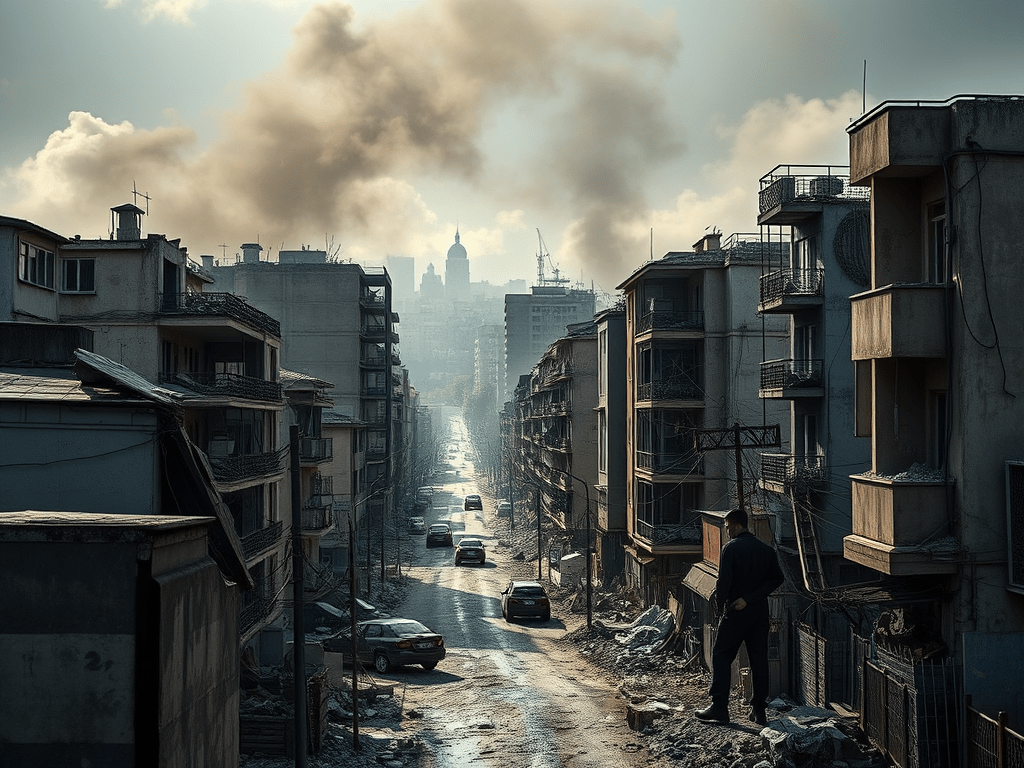
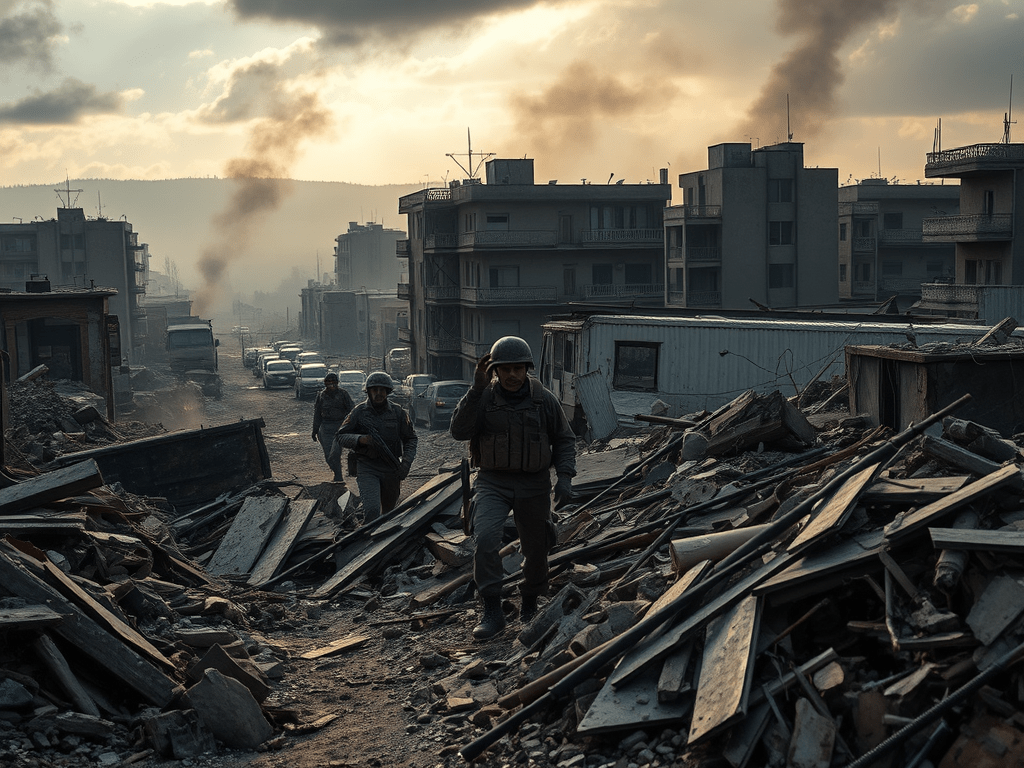
As of 2023, active hostilities continue in the eastern regions of Ukraine, particularly in the Donetsk and Luhansk oblasts. Ukrainian forces have made various attempts to reclaim territory held by Russian-backed separatists. Conversely, Russia has fortified its military presence, continuing to provide support to separatist groups.
Humanitarian Impact
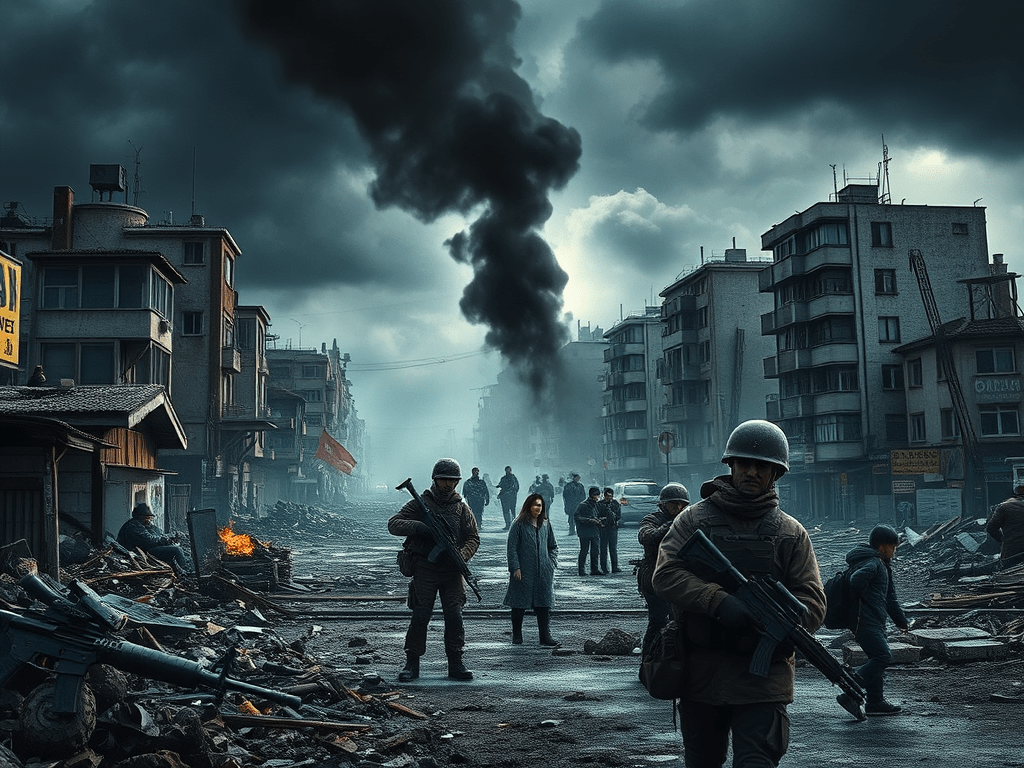
The ongoing conflict has led to a significant humanitarian crisis. Millions of Ukrainians remain displaced, facing daunting living conditions and limited access to essential services. Humanitarian organizations are working to provide aid, but logistics are complicated by the conflict’s intensity.
Political Dynamics
Domestic Politics
In 2023, President Volodymyr Zelenskyy maintains a strong stance against Russian aggression, consolidating support from various political factions. The government continues its reforms aimed at strengthening governance and anti-corruption measures, which are crucial for gaining international backing and aid.
International Support
Support from the West remains robust, with the United States and European Union countries continuing to supply military, financial, and humanitarian assistance. This backing is pivotal not only for military resistances but also for Ukraine’s aspirations toward EU integration.
Forecast for 2024
Possible Escalation or Stalemate
As we move into 2024, several scenarios regarding the conflict dynamics in Ukraine appear possible:
- Continued Stalemate: A continued military stalemate could prevail, with neither side gaining significant territory. This scenario may lead both parties to seek negotiations for a ceasefire.
- Escalation: Alternatively, increased military actions may occur, particularly if either side perceives a strategic advantage or if external influences prompt further aggressiveness.
Peace Negotiations
Diplomatic efforts initiated in 2023 by various international actors, including France and Germany, may gain momentum in 2024. These negotiations aim for a ceasefire and a potential roadmap for peace, though their success will depend heavily on both parties’ willingness to compromise.
Long-term Prospects (2025)
Outlook for Resolution
By 2025, the prospects for lasting peace in Ukraine may hinge on key developments:
- Political Will: Genuine political will from both the Ukrainian and Russian governments will be essential for a sustainable resolution. This includes addressing grievances surrounding territorial integrity and regional autonomy.
- International Frameworks: The role of international organizations, such as the United Nations or Organization for Security and Co-operation in Europe (OSCE), becomes increasingly crucial in facilitating dialogue and monitoring compliance with potential agreements.
Economic and Social Recovery
Post-conflict recovery efforts, expected to take center stage by 2025, will require substantial investment in rebuilding infrastructure, Ukrainian economy revitalization, and addressing the socio-economic needs of displaced individuals.
Geopolitical Implications
The ongoing dynamics in Ukraine will undoubtedly influence broader geopolitical relations, especially with NATO, the EU, and Russia. How these relationships evolve in the face of longstanding tensions will be critical for regional stability.
The conflict dynamics in Ukraine from 2023 to 2025 present a complex tapestry of military, political, and socio-economic factors. Although the current state remains fraught with uncertainty, strategic decisions taken by domestic and international actors will fundamentally shape the pathway toward either resolution or prolonged conflict. Understanding these dynamics is essential for anticipating future developments in Ukraine and the broader region.
Conflict Dynamics in Ukraine
U.S. intelligence assessments indicate that Russia has gained significant leverage in the ongoing conflict in Ukraine. The situation remains fluid, with potential implications for regional stability and international relations.
Increased Military Influence
Recent evaluations suggest that Russia’s military capabilities in the region have been bolstered, allowing Moscow to assert greater control over contested areas. This increase in military influence is reflected in enhanced logistics, supply chains, and strategy adjustments that are impacting the operational landscape in Ukraine.
Implications for Regional Stability
The gains made by Russia could have far-reaching consequences for neighboring countries and regional allies. Heightened tensions may prompt increased military readiness among NATO member states, as well as foster an environment ripe for potential conflicts.
International Relations
The evolving dynamics are also affecting international relations, particularly between Russia, the United States, and European nations. As the West continues to monitor the situation, diplomatic engagements may shift, necessitating new strategies to address the challenges posed by Russian actions in Ukraine.
Conclusion
The ongoing conflict in Ukraine illustrates a complex interplay of military power and international diplomacy. As the situation develops, the effects on regional stability and global relations will require careful attention and strategic responses from global leaders.









 BoldVoices.in
Leave a comment