
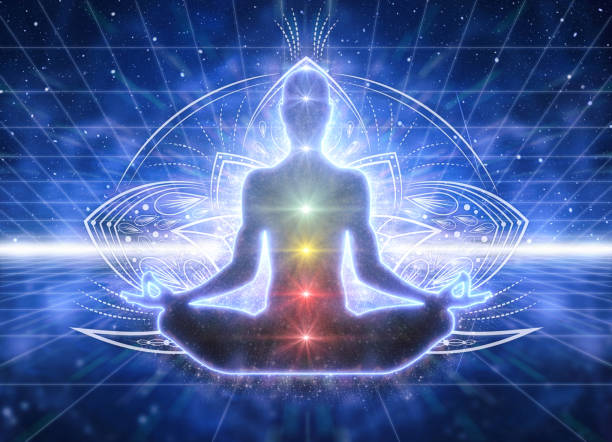
Chakras are energy centers in the body that play a crucial role in our physical, emotional, and spiritual well-being. The concept of chakras originates from ancient Indian traditions and is often associated with yoga and meditation practices. There are seven main chakras, each corresponding to different aspects of our being. Understanding these chakras is key for anyone interested in spiritual growth and the process of Kundalini awakening.
What are Chakras?
The word “chakra” is derived from the Sanskrit word meaning “wheel” or “disk.” It signifies the spinning energy vortexes that are believed to transport energy throughout the body. Each chakra is associated with specific physical, emotional, and spiritual functions. When these chakras are open and in alignment, they allow for the smooth flow of energy, leading to a balanced and healthy life.
The 7 Main Chakras
1. Muladhara (Root Chakra)
- Location: Base of the spine
- Color: Red
- Element: Earth
- Symbolism: Stability and security
- Characteristics: The Root Chakra is associated with our basic survival needs, including food, water, and shelter. It’s crucial for feelings of safety and grounding. When balanced, this chakra fosters a sense of security and stability.
2. Svadhisthana (Sacral Chakra)
- Location: Lower abdomen, about two inches below the navel
- Color: Orange
- Element: Water
- Symbolism: Pleasure and creativity
- Characteristics: This chakra governs our emotions, desires, and creativity. It is connected to relationships, pleasure, and the ability to experience joy. A balanced Sacral Chakra enables a healthy expression of emotions and desires.
3. Manipura (Solar Plexus Chakra)
- Location: Upper abdomen, in the stomach area
- Color: Yellow
- Element: Fire
- Symbolism: Power and self-esteem
- Characteristics: The Solar Plexus Chakra relates to personal power, confidence, and self-esteem. It governs our ability to take action and assert ourselves. When balanced, it enhances our sense of purpose and willpower.
4. Anahata (Heart Chakra)
- Location: Center of the chest, slightly above the heart
- Color: Green
- Element: Air
- Symbolism: Love and compassion
- Characteristics: The Heart Chakra is the center of love, compassion, and forgiveness. It connects us to others and promotes empathy. A balanced Heart Chakra encourages healthy relationships and the ability to give and receive love.
5. Vishuddha (Throat Chakra)
- Location: Throat
- Color: Blue
- Element: Ether
- Symbolism: Communication and expression
- Characteristics: The Throat Chakra governs communication and self-expression. It allows us to express our thoughts and feelings authentically. When balanced, it enhances our ability to communicate clearly and effectively.
6. Ajna (Third Eye Chakra)
- Location: Forehead, between the eyes
- Color: Indigo
- Element: Light
- Symbolism: Intuition and insight
- Characteristics: The Third Eye Chakra is associated with intuition, insight, and perception. It enables us to see beyond the physical realm and tap into our inner wisdom. A balanced Ajna Chakra enhances our mental clarity and imagination.
7. Sahasrara (Crown Chakra)
- Location: The top of the head
- Color: Violet or white
- Element: Cosmic energy
- Symbolism: Spirituality and enlightenment
- Characteristics: The Crown Chakra represents our connection to the divine and the universe. It is the center of spiritual consciousness and enlightenment. An open and balanced Crown Chakra allows for spiritual awakening and a sense of oneness with all.
Kundalini Awakening
Kundalini refers to a dormant energy believed to reside at the base of the spine, coiled like a serpent. The process of Kundalini awakening involves the release of this energy, allowing it to rise through the chakras, leading to profound spiritual experiences and heightened awareness.
When Kundalini energy ascends through the chakras, it can facilitate healing, emotional release, and spiritual growth. People who undergo Kundalini awakening often report experiencing intense sensations, heightened states of consciousness, and a deeper connection to themselves and the universe.
How to Activate the Chakras for Kundalini Awakening
- Meditation: Practice regular meditation to enhance your awareness of the chakras and facilitate the flow of Kundalini energy.
- Breathwork: Utilize pranayama (breath control) techniques to energize the chakras and promote balance.
- Yoga: Engage in yoga poses that activate and open each chakra, facilitating the upward movement of Kundalini.
- Sound Healing: Use mantras or specific sounds associated with each chakra to resonate and harmonize energy.
- Crystals: Incorporate healing crystals that correspond to each chakra to support energy work.
Conclusion
Understanding and working with the chakras is a transformative process that can lead to a deeper awareness of yourself and the world around you. The journey of Kundalini awakening is personal and unique for each individual. By nurturing and balancing the chakras, one can enhance their physical, emotional, and spiritual well-being, ultimately leading to a more fulfilling life.
चक्र और कुंडलिनी जागरूकता – 7 चक्रों की व्याख्या
चक्र शारीरिक, भावनात्मक और आध्यात्मिक कल्याण में महत्वपूर्ण भूमिका निभाने वाले ऊर्जा केंद्र होते हैं। यह अवधारणा प्राचीन भारतीय परंपराओं से उत्पन्न होती है और अक्सर योग और ध्यान प्रथाओं से जुड़ी होती है। हमारा शरीर सात मुख्य चक्रों से जुड़ा होता है, जो हमारे अस्तित्व के विभिन्न पहलुओं से संबंधित होते हैं। चक्रों को समझना आध्यात्मिक विकास और कुंडलिनी जागरण की प्रक्रिया में रुचि रखने वाले किसी भी व्यक्ति के लिए आवश्यक है।
चक्र क्या हैं?
शब्द “चक्र” संस्कृत शब्द से लिया गया है, जिसका अर्थ “पहा” या “वृत्त” है। यह उन स्पिनिंग ऊर्जा वॉर्टेस को दर्शाता है जो नकारात्मक ऊर्जा को हमारे शरीर में ले जाती हैं। प्रत्येक चक्र विशिष्ट शारीरिक, भावनात्मक और आध्यात्मिक कार्यों से जुड़ा होता है। जब ये चक्र खुले और संरेखित होते हैं, तो ऊर्जा का सुचारू प्रवाह होता है, जो एक संतुलित और स्वस्थ जीवन की ओर ले जाता है।
7 मुख्य चक्र
1. मुलाधारा (रूट चक्र)
- स्थान: रीढ़ की नींव
- रंग: लाल
- तत्त्व: पृथ्वी
- प्रतिनिधित्व: स्थिरता और सुरक्षा
- विशेषताएँ: रूट चक्र हमारे मूल अस्तित्व की ज़रूरतों से जुड़ा होता है, जैसे भोजन, पानी और आश्रय। यह सुरक्षा और ग्राउंडिंग के लिए आवश्यक है। संतुलित होने पर, यह चक्र सुरक्षा और स्थिरता की भावना को बढ़ावा देता है।
2. स्वाधिष्ठान (सैक्रल चक्र)
- स्थान: निचली पेट, नाभि के लगभग दो इंच नीचे
- रंग: संतरी
- तत्त्व: पानी
- प्रतिनिधित्व: आनंद और रचनात्मकता
- विशेषताएँ: यह चक्र हमारे भावनाओं, इच्छाओं और रचनात्मकता को संचालित करता है। यह संबंधों, आनंद और खुशी के अनुभव से संबंधित है। संतुलित सैक्रल चक्र भावनाओं और इच्छाओं की स्वस्थ अभिव्यक्ति को सक्षम करता है।
3. मणिपुरा (सोलर प्लेक्सस चक्र)
- स्थान: ऊपरी पेट, पेट के क्षेत्र में
- रंग: पीला
- तत्त्व: अग्नि
- प्रतिनिधित्व: शक्ति और आत्म-सम्मान
- विशेषताएँ: सोलर प्लेक्सस चक्र व्यक्तिगत शक्ति, आत्मविश्वास और आत्म-सम्मान से संबंधित है। यह कार्रवाई करने और अपनी बात रखने की क्षमता का प्रबंधन करता है। संतुलित होने पर, यह उद्देश्य और इच्छाशक्ति की भावना को बढ़ाता है।
4. अनाहत (हार्ट चक्र)
- स्थान: छाती का केंद्र, थोड़ा ऊपर
- रंग: हरा
- तत्त्व: वायु
- प्रतिनिधित्व: प्रेम और दया
- विशेषताएँ: हार्ट चक्र प्रेम, दया और क्षमा का केंद्र है। यह हमें दूसरों से जोड़ता है और सहानुभूति को बढ़ावा देता है। संतुलित हार्ट चक्र स्वस्थ संबंधों और प्रेम देने और प्राप्त करने की क्षमता को प्रोत्साहित करता है।
5. विशुद्ध (गला चक्र)
- स्थान: गला
- रंग: नीला
- तत्त्व: आकाश
- प्रतिनिधित्व: संचार और अभिव्यक्ति
- विशेषताएँ: गला चक्र संचार और आत्म-अभिव्यक्ति का संचालन करता है। यह हमें अपने विचारों और भावनाओं को सच्चे तरीके से व्यक्त करने की अनुमति देता है। संतुलित होने पर, यह हमारी संचार क्षमता को स्पष्ट और प्रभावी ढंग से बढ़ाता है।
6. अजना (थर्ड आई चक्र)
- स्थान: माथा, आंखों के बीच
- रंग: इंडिगो
- तत्त्व: प्रकाश
- प्रतिनिधित्व: अंतर्ज्ञान और अंतर्दृष्टि
- विशेषताएँ: थर्ड आई चक्र अंतर्ज्ञान, दृष्टि और धारणा से जुड़ा होता है। यह हमें भौतिक क्षेत्र को पार करने में सक्षम बनाता है और हमारे भीतर की बुद्धिमता को खोलता है। संतुलित अजना चक्र मानसिक स्पष्टता और कल्पनाशक्ति को बढ़ाता है।
7. साहसरारा (क्राउन चक्र)
- स्थान: सिर के शीर्ष पर स्थित है
- रंग: वायलेट या सफेद
- तत्त्व: विश्व ऊर्जा
- प्रतिनिधित्व: आध्यात्मिकता और चैतन्यता
- विशेषताएँ: क्राउन चक्र हमारे दिव्य और ब्रह्मांड से जुड़ाव का प्रतिनिधित्व करता है। यह आध्यात्मिक चेतना और चैतन्यता का केंद्र है। खुला और संतुलित क्राउन चक्र आध्यात्मिक जागरण और सभी के साथ एकत्व की भावना को सक्षम बनाता है।
कुंडलिनी जागरूकता
कुंडलिनी एक सुप्त ऊर्जा है जो माना जाता है कि रीढ़ की नींव पर, एक नागिन की तरह लिपटी होती है। कुंडलिनी जागरूकता की प्रक्रिया में इस ऊर्जा को मुक्त करना शामिल है, जिससे यह चक्रों के माध्यम से ऊपर उठता है और गहरा आध्यात्मिक अनुभवों और बढ़ी हुई जागरूकता की ओर ले जाता है।
जब कुंडलिनी ऊर्जा चक्रों के माध्यम से चढ़ती है, तो यह चिकित्सा, भावनात्मक विमोचन और आध्यात्मिक विकास में मदद कर सकती है। जो लोग कुंडलिनी जागरूकता का अनुभव करते हैं, वे अक्सर तीव्र संवेदनाओं, बढ़ी हुई चेतना की अवस्थाओं और अपने आप से और ब्रह्मांड से गहन संबंध का अनुभव करते हैं।
कुंडलिनी जागरूकता के लिए चक्रों को सक्रिय करने के तरीके
- ध्यान: नियमित ध्यान का अभ्यास करें ताकि आप चक्रों की जागरूकता बढ़ा सकें और कुंडलिनी ऊर्जा के प्रवाह को सुगम बना सकें।
- श्वसन क्रिया: चक्रों को ऊर्जा से भरने और संतुलन बढ़ाने के लिए प्राणायाम तकनीकों का उपयोग करें।
- योग: प्रत्येक चक्र को सक्रिय और खोलने के लिए योग आसनों में भाग लें, जिससे कुंडलिनी का ऊपर बढ़ने का समर्थन होता है।
- ध्वनि चिकित्सा: प्रत्येक चक्र से जुड़ी मंत्रों या विशिष्ट ध्वनियों का उपयोग करें ताकि ऊर्जा को गूंजने और सामंजस्य स्थापित करने में सहायता मिल सके।
- क्रिस्टल: प्रत्येक चक्र से संबंधित चिकित्सा क्रिस्टल का उपयोग करें ताकि ऊर्जा कार्य को सहयोग मिल सके।
निष्कर्ष
चक्रों को समझना और उनके साथ काम करना एक परिवर्तनकारी प्रक्रिया है जो आपके और आपके चारों ओर की दुनिया के बारे में गहरी जागरूकता की ओर ले जा सकती है। कुंडलिनी जागरण की यात्रा प्रत्येक व्यक्ति के लिए व्यक्तिगत और अद्वितीय होती है। चक्रों की देखभाल और संतुलन स्थापित करके, हम अपने शारीरिक, भावनात्मक और आध्यात्मिक कल्याण को बढ़ा सकते हैं, जिससे एक अधिक पूर्ण जीवन की ओर ले जा सकता है।








 BoldVoices.in
Leave a comment