
Inter-Caste Marriage Backlash: Honor Killings and Societal Pressure
Inter-caste marriages are a significant aspect of social evolution in many cultures, particularly in countries where caste systems heavily influence societal norms and values. Despite progress in modernization, the backlash against inter-caste unions can be severe, often manifesting in tragic forms such as honor killings and intense societal pressure. This article examines the factors contributing to these phenomena, the societal implications, and potential pathways towards a more inclusive society.
Understanding the Concept of Honor
In many cultures, particularly in the Indian subcontinent, the notion of honor is deeply entrenched. Families often equate their social standing with the behavior and choices of their members. When an individual enters into an inter-caste marriage, it can be perceived as a betrayal of cultural, traditional, and family values. This perceived dishonor can lead families to take drastic actions to restore their reputation, sometimes resulting in violence.
Honor Killings: A Tragic Reality
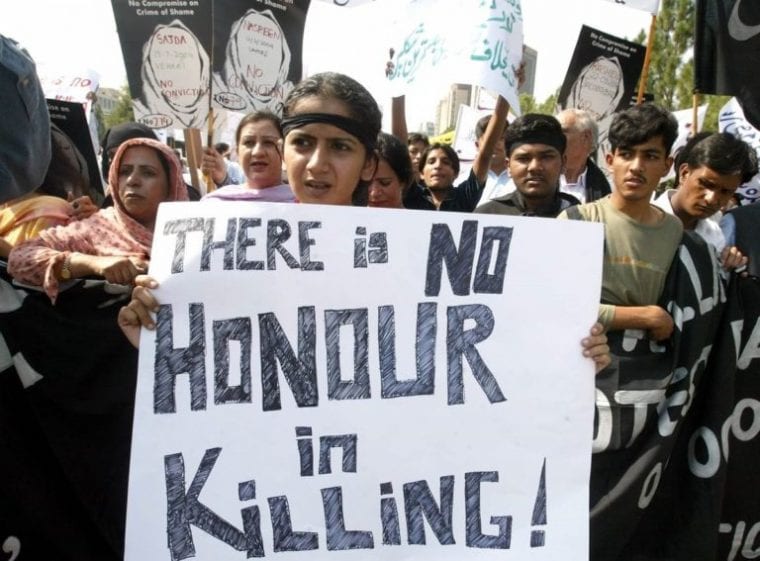
Honor killings refer to the murder of individuals, typically women, by family members who believe that the victim has brought shame upon the family. These killings are often justified as acts to protect family honor, and they are disproportionately associated with inter-caste marriages.
In cases of inter-caste unions, particularly those where one partner belongs to a lower caste, families might resort to heinous acts of violence to uphold societal norms. Reports of honor killings are prevalent in regions where caste divisions are rigidly maintained, creating a chilling reality for couples who dare to cross these lines.
Top Cases of Inter-Caste Marriage Backlash: Honor Killings and Societal Pressure
Inter-caste marriages have often led to severe backlash in various societies, particularly in regions where caste systems are deeply rooted. Here are some notable cases that highlight the tragic consequences faced by couples:
1. The Shankar and Ahalya Case (2013)
This case involved a couple from different castes in India who eloped to be together. Tragically, Shankar was murdered by his own relatives in an attempt to reclaim their family’s honor. This incident underscores the extreme measures families may take in response to inter-caste unions.
2. Neelam and Naveen (2015)
Neelam and Naveen faced intense backlash from their families after their inter-caste marriage. Both were subsequently killed, serving as a grim reminder of the perils that inter-caste couples often face in societies that uphold rigid caste divisions.
3. The Kanpur Honor Killing (2020)
A couple in Kanpur, India, who married against their families’ wishes, faced violent consequences. They were brutally attacked by family members, highlighting the ongoing issue of violence against those who choose to defy caste norms.
4. The Arvind and Kavita Case (2017)
In a shocking incident, Arvind and Kavita’s inter-caste marriage was met with severe disapproval from their families. The couple was attacked by relatives; Arvind was killed while Kavita managed to escape. This case emphasizes the high stakes involved in choosing a partner outside one’s caste.
5. The Haryana Honor Killing (2018)
In Haryana, a young couple was killed by the groom’s family after they married inter-caste. This case drew widespread media attention and sparked outrage, leading to calls for better protection of inter-caste couples.
Societal Pressure: A Continued Struggle
Aside from these tragic cases, societal pressure manifests in various ways for couples entering inter-caste relationships. Common consequences include:
- Ostracization: Many couples find themselves alienated from their communities, losing critical support systems.
- Economic Repercussions: Economic boycotts often occur, with couples facing the loss of family business support or being shunned by local vendors.
- Mental Health Impact: The fear of rejection and social isolation can lead to significant mental health issues, including anxiety and depression.
Conclusion
The cases of honor killings and societal pressure stemming from inter-caste marriages illustrate a dire need for societal change. Legal reforms, community education, and the establishment of support networks are crucial in combating the stigma surrounding inter-caste love. Only through concerted efforts can we hope to create a society where love transcends caste barriers.
Societal Pressure and Its Consequences
The societal pressure surrounding inter-caste marriages often manifests in various forms, including ostracization, economic boycotts, and social stigma. Couples in inter-caste relationships frequently face immense pressure from their families and communities to conform to traditional expectations:
- Fear of Rejection: Individuals contemplating inter-caste marriage may fear the rejection of their families, leading to mental health issues such as anxiety and depression.
- Social Isolation: Many couples find themselves ostracized from their communities, losing support networks that are essential for their survival and well-being.
- Economic Consequences: In tightly-knit communities, marrying outside caste can lead to economic repercussions, such as loss of family business support or being shunned by local vendors.
Legal and Social Reforms
Despite the cultural challenges, progressive legal reforms are essential in combating honor killings and supporting inter-caste marriages. Initiatives should focus on:
- Strengthening Legal Frameworks: Implementation of stricter laws against honor killings and educating law enforcement on the nuances of inter-caste marriages can help protect vulnerable couples.
- Community Awareness Programs: Initiatives aimed at educating community members about the rights of individuals to choose their partners can shift perceptions and reduce stigma.
- Support Networks: Establishing shelters and legal aid services for couples facing threats can provide them with necessary resources and protection.
Conclusion
The backlash against inter-caste marriages illustrates the ongoing conflict between traditional values and individual freedom. Addressing the issues of honor killings and societal pressure requires a concerted effort involving legal reforms, community education, and support systems. By fostering a culture of acceptance and understanding, society can pave the way for a future where love transcends caste, and individuals can make choices free from fear.








 BoldVoices.in
Leave a comment