
The idea that celebrities are not who they claim to be is a recurring theme in popular culture, and no one has become the focal point of such speculation like Beyoncé. The conspiracy theory that Beyoncé might be a clone has captured the imaginations of fans and skeptics alike. In this article, we will explore the origins, nuances, and implications of this viral theory.
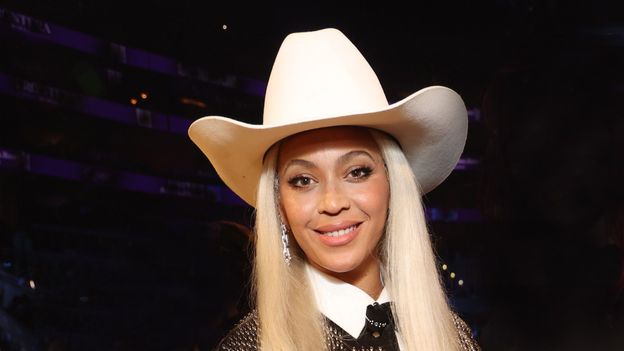
Origins of the Conspiracy
The notion that Beyoncé could be a clone appears to have emerged amidst a broader framework of conspiracy theories that often target high-profile figures. The birth of this particular conspiracy theory can be traced back to a few distinct moments:
- Public Appearances: Beyoncé’s various transformations over the years—her style changes, vocal evolutions, and performance adaptations—have led some to claim that she is not the same person. Fans often point to these changes as evidence of a “replacement,” igniting speculation.
- Social Media Buzz: The rise of social media platforms has enabled rapid dissemination of conspiracy theories. Memes and short videos discussing the idea of Beyoncé being a clone began circulating, gaining traction and feeding the rumor mill.
- Cultural Commentary: Commentators and influencers in the media have also entertained the topic, sometimes for the sake of humor, which further challenges the line between reality and satire, attracting more attention to the theory.
The “Supporting Evidence”
Proponents of the conspiracy theory point to various aspects as “evidence”:
- Physical Changes: Beyoncé’s noticeable shifts in appearance, such as changes in her skin tone, hair texture, and facial features, have led to speculation that these transformations are not merely the result of aging or cosmetic-enthusiast tendencies but rather evidence of cloning.
- Performance Style: Her performances, characterized by seemingly flawless choreography and vocal mastery, have led some fans to wonder if there’s something “otherworldly” about her talent.
- The Illuminati Connection: Like many other celebrity conspiracies, this one also intertwines with theories about secret societies. Beyoncé has been linked to the Illuminati, fueling the belief that cloning could be a tool of manipulation among famous figures.
The Scientific Perspective
From a scientific standpoint, the concept of human cloning raises numerous ethical, medical, and biological dilemmas. As of now, human cloning remains a controversial subject within the scientific community, and the possibility of creating viable human clones has not been achieved.
- Cloning Technology: The current scientific capabilities for cloning focus primarily on animals. The complexities involved in cloning a human being—ensuring the clone’s health, managing genetic identity, and addressing ethical implications—remain largely unresolved.
- Health Risks: Cloning has been associated with various health risks, as seen in cloned animals where abnormalities and premature aging have occurred. The idea that a public figure like Beyoncé could undergo such a procedure without public scrutiny is highly unlikely.
- Psychological Context: The belief in cloning can also be seen as a psychological phenomenon—where people’s need for understanding the extraordinary can lead them to concoct narratives that fit their curiosities and beliefs.
Cultural Impact
The Beyoncé cloning conspiracy theory highlights the lengths to which fandom and celebrity culture can stretch in modern society. It reflects broader themes in pop culture, such as:
- Identity and Authenticity: The idea that someone as talented and successful as Beyoncé could be a clone challenges societal understandings of identity and the authenticity of public personas.
- Celebrity Worship: It points to the complex relationships fans develop with celebrities, wherein they project unrealistic expectations and narratives onto their lives.
- Misinformation: The persistence of such theories also reveals how misinformation can spread rapidly, prompting critical examination of the sources from which we consume content.
Conclusion
While the theory that Beyoncé is a clone is steeped in speculative narratives and lacks any substantiating evidence, it serves as a reminder of how celebrity culture intersects with conspiracy thinking. Despite the allure of such theories, it is crucial to approach them with skepticism and a critical mindset. Engaging in thoughtful discourse about identity, media influence, and the constructs of fame can unveil more profound insights into our societal norms and behaviors.










 BoldVoices.in
Leave a comment