
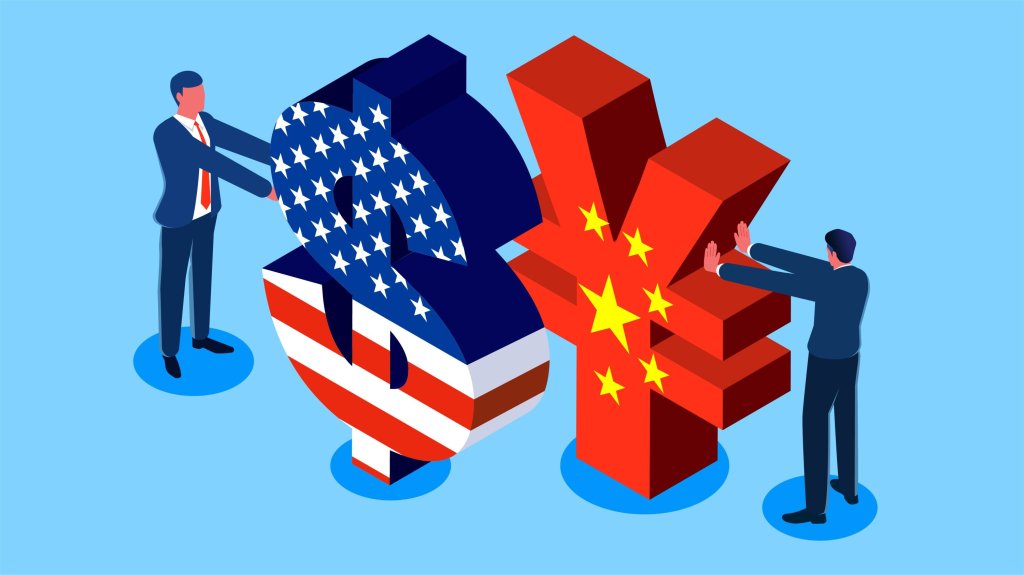
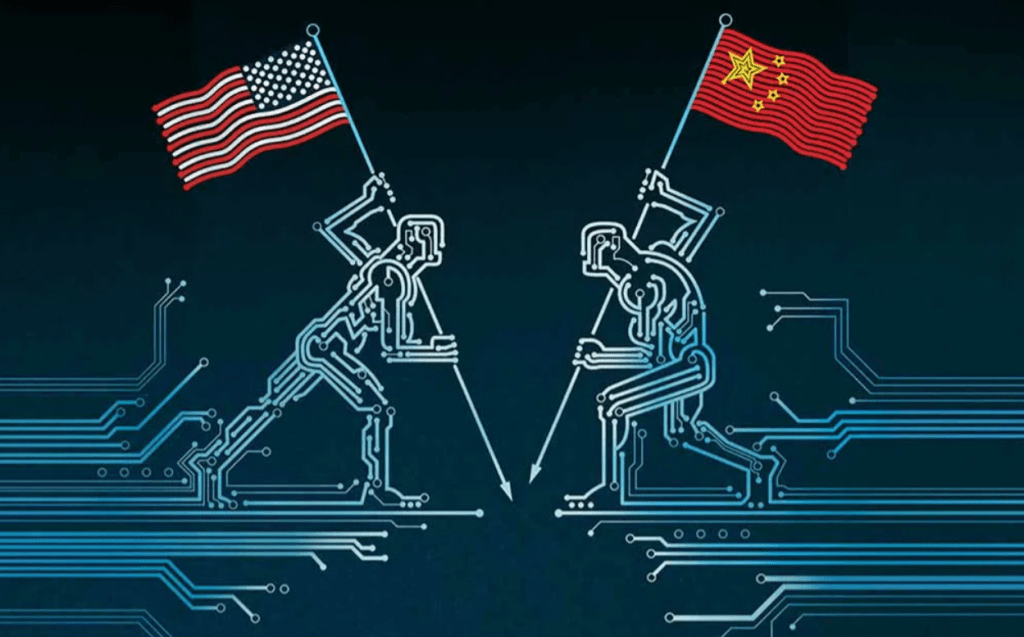
The U.S. vs. China tech war, often referred to as Tech War 2.0, marks a significant escalation in the ongoing competition between the two global superpowers. This article provides a detailed and comprehensive overview of the current state of this technological rivalry, its implications, and the various facets involved.
Background
The roots of the U.S.-China tech war can be traced back several years but began to intensify around 2018. The trade tensions initially centered on tariffs, trade deficits, and intellectual property rights. However, the focus has shifted dramatically toward technology, which is viewed as a critical battleground for economic, military, and geopolitical dominance.
Key Events Leading to Tech War 2.0
- Tariffs and Trade Restrictions: In 2018, the U.S. imposed tariffs on Chinese goods to address trade imbalances and perceived unfair practices. China retaliated with its own tariffs, leading to a tit-for-tat trade war.
- Entity List: In May 2019, the U.S. added Huawei and other Chinese companies to the Entity List, restricting U.S. companies from doing business with them without government approval.
- The COVID-19 Pandemic: The global pandemic accelerated digital transformations and brought new vulnerabilities to the fore, leading to increased scrutiny of tech supply chains and national security concerns.
- Semiconductor Competition: In 2020, U.S. restrictions on semiconductor technology exports to China significantly impacted technology companies, making chips a focal point of the tech war.
Key Areas of Competition
1. Semiconductor Industry
Semiconductors are critical components for technology ranging from smartphones to advanced military equipment. The U.S., home to companies like Intel and Nvidia, and China, with its ambitions led by companies like SMIC (Semiconductor Manufacturing International Corporation), are engaged in an arms race for semiconductor supremacy.
- U.S. Policy Changes: The U.S. has enacted legislation to support domestic semiconductor manufacturing through incentives and funding, like the CHIPS Act, which aims to enhance domestic production and reduce reliance on foreign sources.
- China’s Response: China is pouring billions into its semiconductor industry, attempting to achieve self-sufficiency and reduce dependence on U.S. technology.
2. 5G Technology
5G technology is revolutionary, enabling faster data speeds and better connectivity. Huawei has emerged as a global leader in 5G infrastructure, which has raised national security concerns in the U.S. and allied countries.
- Alliance Building: The U.S. has sought to form alliances with nations to block Huawei’s 5G equipment from telecom networks, promoting alternatives and safeguarding critical infrastructure.
3. Artificial Intelligence (AI)
AI is seen as a game changer across industries, with military applications and implications for economic productivity. The U.S. and China are in a race to lead the AI revolution.
- Investment and Talent: Both countries are aggressively investing in AI research and development, attracting talent and capital to be at the forefront of AI advancements.
- Ethical and Regulatory Frameworks: Differences in how AI is regulated and ethical considerations can cause friction. The U.S. often champions privacy, while China emphasizes surveillance and state control.
4. Cybersecurity and Espionage
Cybersecurity is a significant concern in the tech war. Both nations have accused each other of cyber espionage and attacks.
- Cybersecurity Policies: The U.S. has implemented measures to protect networks and critical technologies from cyber threats, while China has sought to defend its own digital infrastructure against foreign intrusions.
Implications of the Tech War
The U.S. vs. China tech war has broad implications for the global economy, technology landscape, and international relations:
- Global Supply Chains: Businesses must navigate shifting supply chains as companies reassess their dependencies on Chinese manufacturing and technologies.
- Innovation and Research: The competition drives innovation but may also lead to fragmentation of technology standards across nations.
- Economic Decoupling: The potential for a bifurcated global tech economy emphasizes the need for countries to choose sides, impacting global trade dynamics.
U.S. vs. China Tech War 2.0
The U.S. vs. China tech war, often referred to as Tech War 2.0, marks a significant escalation in the ongoing competition between the two global superpowers. This article provides a detailed and comprehensive overview of the current state of this technological rivalry, its implications, and the various facets involved.
Background
The roots of the U.S.-China tech war can be traced back several years but began to intensify around 2018. The trade tensions initially centered on tariffs, trade deficits, and intellectual property rights. However, the focus has shifted dramatically toward technology, which is viewed as a critical battleground for economic, military, and geopolitical dominance.
Key Events Leading to Tech War 2.0
- Tariffs and Trade Restrictions: In 2018, the U.S. imposed tariffs on Chinese goods to address trade imbalances and perceived unfair practices. China retaliated with its own tariffs, leading to a tit-for-tat trade war.
- Entity List: In May 2019, the U.S. added Huawei and other Chinese companies to the Entity List, restricting U.S. companies from doing business with them without government approval.
- The COVID-19 Pandemic: The global pandemic accelerated digital transformations and brought new vulnerabilities to the fore, leading to increased scrutiny of tech supply chains and national security concerns.
- Semiconductor Competition: In 2020, U.S. restrictions on semiconductor technology exports to China significantly impacted technology companies, making chips a focal point of the tech war.
Key Areas of Competition
1. Semiconductor Industry
Semiconductors are critical components for technology ranging from smartphones to advanced military equipment. The U.S., home to companies like Intel and Nvidia, and China, with its ambitions led by companies like SMIC (Semiconductor Manufacturing International Corporation), are engaged in an arms race for semiconductor supremacy.
- U.S. Policy Changes: The U.S. has enacted legislation to support domestic semiconductor manufacturing through incentives and funding, like the CHIPS Act, which aims to enhance domestic production and reduce reliance on foreign sources.
- China’s Response: China is pouring billions into its semiconductor industry, attempting to achieve self-sufficiency and reduce dependence on U.S. technology.
2. 5G Technology
5G technology is revolutionary, enabling faster data speeds and better connectivity. Huawei has emerged as a global leader in 5G infrastructure, which has raised national security concerns in the U.S. and allied countries.
- Alliance Building: The U.S. has sought to form alliances with nations to block Huawei’s 5G equipment from telecom networks, promoting alternatives and safeguarding critical infrastructure.
3. Artificial Intelligence (AI)
AI is seen as a game changer across industries, with military applications and implications for economic productivity. The U.S. and China are in a race to lead the AI revolution.
- Investment and Talent: Both countries are aggressively investing in AI research and development, attracting talent and capital to be at the forefront of AI advancements.
- Ethical and Regulatory Frameworks: Differences in how AI is regulated and ethical considerations can cause friction. The U.S. often champions privacy, while China emphasizes surveillance and state control.
4. Cybersecurity and Espionage
Cybersecurity is a significant concern in the tech war. Both nations have accused each other of cyber espionage and attacks.
- Cybersecurity Policies: The U.S. has implemented measures to protect networks and critical technologies from cyber threats, while China has sought to defend its own digital infrastructure against foreign intrusions.
Implications of the Tech War
The U.S. vs. China tech war has broad implications for the global economy, technology landscape, and international relations:
- Global Supply Chains: Businesses must navigate shifting supply chains as companies reassess their dependencies on Chinese manufacturing and technologies.
- Innovation and Research: The competition drives innovation but may also lead to fragmentation of technology standards across nations.
- Economic Decoupling: The potential for a bifurcated global tech economy emphasizes the need for countries to choose sides, impacting global trade dynamics.
Conclusion
The U.S. vs. China Tech War 2.0 is a complex and evolving battle characterized by fierce competition over technological leadership. With implications that will shape the future of the global economy, national security, and international relations, this conflict will continue to be a focal point for policymakers, businesses, and consumers alike. As both nations strive for dominance, the outcomes of this tech war will likely reshape the technological landscape for decades to come.










 BoldVoices.in
Leave a comment