
As the conflict in Ukraine enters its second year, a palpable sense of fatigue appears to be settling among Western nations regarding their support for the country. This ‘Ukraine fatigue’ can be attributed to various factors, including shifting political landscapes, economic pressures, and the evolving nature of the Russian threat, which has begun to leverage sophisticated AI-powered disinformation tactics.
The Current State of Aid
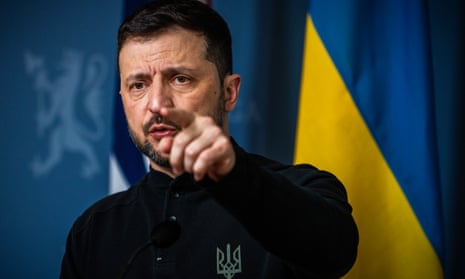
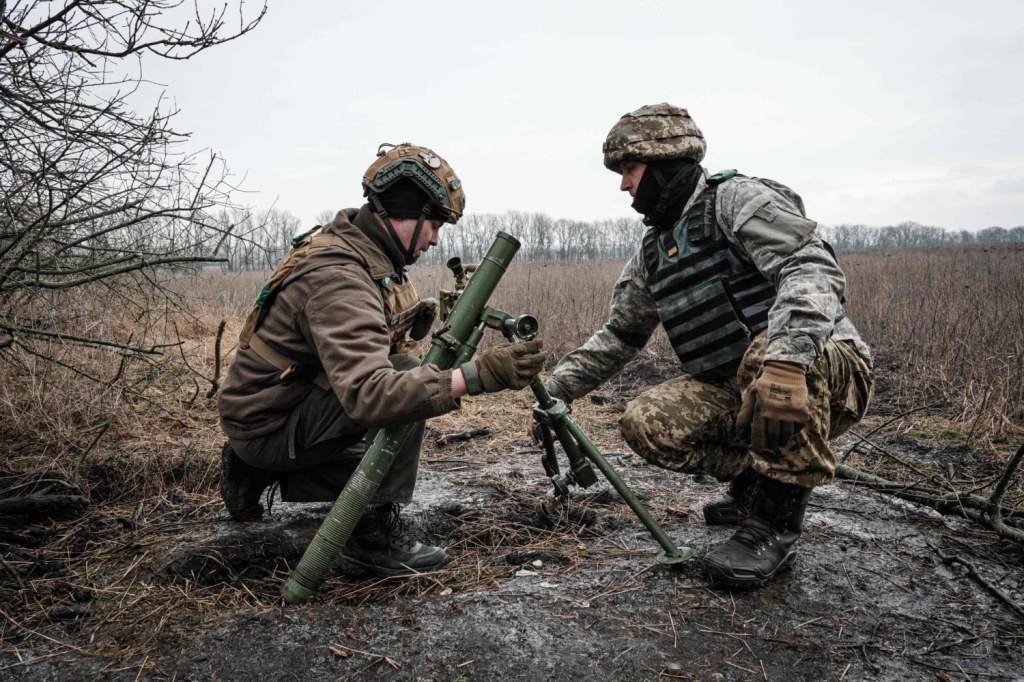
Since the onset of Russia’s invasion of Ukraine, Western countries, particularly the United States and members of the European Union, have mobilized substantial military, humanitarian, and financial assistance to bolster Kyiv. However, reports indicate a noticeable deceleration in the flow of aid as the United States approaches crucial midterm elections. Concerns over domestic issues, inflation, and public opinion are influencing the political calculus for many lawmakers.
Economic Pressures
Western nations are grappling with significant economic challenges, including rising inflationary pressures and energy costs exacerbated by the conflict. Many citizens are worried about the rising cost of living, leading to a shift in priorities. Governments are increasingly under pressure to prioritize domestic issues, which can detract from their focus on international conflicts.
Shifting Public Sentiment
Polling data has shown that popular support for ongoing military and financial assistance to Ukraine is wavering in several Western countries. As the novelty of the conflict fades and the human toll rises, citizens are questioning the sustainability and the long-term ramifications of continuous support. This sentiment is being mirrored in some political circles, where calls for increased scrutiny of aid packages are growing louder.
U.S. Elections and Political Calculus
As the U.S. midterm elections approach, political leaders are navigating a complex landscape where support for Ukraine could become a contentious issue. Some candidates may leverage a stance of reduced aid or a call for more oversight as a means to resonate with voters concerned about managing national expectations and expenditures.
In this environment, both parties face the challenge of balancing implications for national security with constituents’ priorities. The increasing emphasis on America First policies in some factions may complicate bipartisan efforts to maintain robust assistance for Ukraine.
Russia’s Evolving Tactics: The Use of AI in Disinformation
Amid these developments, the Russian government is not standing still. As the conflict continues, it has become clear that Moscow is adapting its approach to warfare not just on the battlefield but also in the information domain. One of the most concerning trends is the utilization of AI-powered disinformation tactics.
AI-Powered Disinformation Campaigns
Russian state-sponsored entities are leveraging artificial intelligence to create deepfakes, manipulate narratives, and spread false information at unprecedented speeds. This technology allows them to craft convincing propaganda that can easily sway public opinion or exacerbate divisions within Western countries.
These disinformation campaigns often target specific demographics, utilizing social media platforms to propagate messages that can mislead or confuse the public, further eroding support for Ukraine. The potential for AI to simulate voices and images adds a new layer of complexity that makes combating misinformation more challenging.
The Implications for Western Unity
As Ukraine fatigue sets in and Russia ramps up its disinformation strategies, the unity of Western allies is crucial. If narratives created by disinformation campaigns successfully penetrate public discourse, they could fracture the coalition supporting Ukraine. Leaders must remain increasingly vigilant and proactive in countering these tactics while fostering transparency and communication about the ongoing situation in Ukraine.
Conclusion
As the dynamics of international aid to Ukraine shift and U.S. elections loom on the horizon, it is essential for Western nations to remain focused and committed to supporting Ukraine’s sovereignty. Balancing domestic concerns with international obligations poses a formidable challenge, but the stakes are high. The potential for increased Russian aggression, driven by new disinformation tactics, emphasizes the need for solidarity in the global response to this conflict. Only through cohesive efforts can the international community hope to navigate these turbulent waters and support Ukraine in its fight for freedom.










 BoldVoices.in
Leave a comment