
Introduction
The concept of a “zombie virus” often stirs a mix of fascination and fear, rooted in popular culture and various scientific discussions. From movies to viral pandemics, the “zombie” phenomenon encompasses both fiction and factual public health concerns. This article explores the idea of a zombie virus, its representation in media, potential real-world implications, and the scientific basis behind the notion.
What is a Zombie Virus?
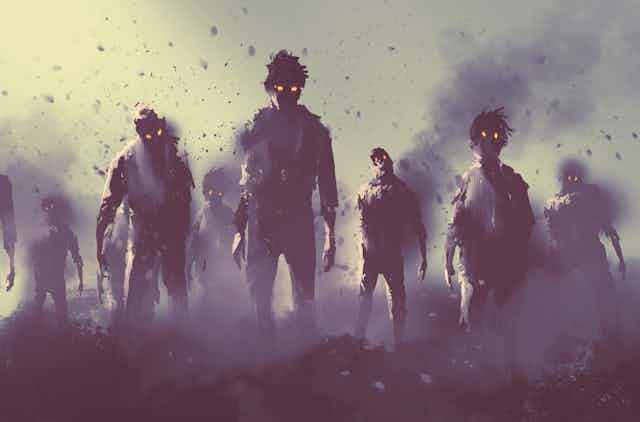
A zombie virus is often depicted as a pathogen that inflicts severe alterations in behavior, mimicking the traits associated with traditional zombie lore: loss of higher cognitive functions, a craving for human flesh, and aggressive behavior. Though purely fictional in many portrayals, the following categories explore how viruses can lead to “zombie-like” states in real life.
1. Viruses and Behavioral Changes
Certain real-world viruses and infections can lead to drastic behavioral changes in animals and, in rare cases, humans:
- Rabies Virus: The rabies virus is perhaps the closest real-world analogue to the zombie trope. Once contracted, it leads to severe neurological damage, resulting in aggression, confusion, and other alarming symptoms leading to the infected person’s demise.
- Toxoplasma Gondii: This parasite alters the behavior of its host, particularly seen in rodents. Infected rodents lose their inherent fear of cats, making them more susceptible to predation, effectively allowing the parasite to propagate.
2. Fictional Representations
The portrayal of zombie viruses in media has evolved over the years. Some notable examples include:
- “28 Days Later”: This landmark film introduced the concept of a “rage virus,” igniting the modern zombie genre. The virus turns people into aggressively violent beings within moments of infection.
- “The Walking Dead”: This series explores a post-apocalyptic world where a mysterious virus reanimates the dead. While not scientifically grounded, it raises questions about survival and human behavior in extreme conditions.
- “World War Z”: The book and film depict a global epidemic caused by a fast-spreading virus that induces a zombie-like state, showcasing the social and political ramifications of such a scenario.
Top Zombie Movies and Series
The zombie genre has captivated audiences for decades, blending horror, action, and often a touch of dark humor. Here’s a list of some of the top zombie movies and series that have left a mark on popular culture:
Movies
- Night of the Living Dead (1968)
- Directed by George A. Romero, this classic film is credited with pioneering the modern zombie genre and has influenced countless films and series that followed.
- 28 Days Later (2002)
- Directed by Danny Boyle, this film introduced the concept of a “rage virus,” leading to a post-apocalyptic world filled with fast-moving zombies and intense survival scenarios.
- Shaun of the Dead (2004)
- A hilarious take on the zombie apocalypse, this British film combines comedy and horror, showcasing the absurdities of facing a zombie outbreak with a light-hearted touch.
- World War Z (2013)
- Based on the novel by Max Brooks, this action-packed film stars Brad Pitt as he navigates a global zombie pandemic, offering a different perspective on survival and humanity.
- Train to Busan (2016)
- This South Korean film follows passengers on a train during a zombie outbreak, balancing fast-paced horror with emotional storytelling and character development.
Series
- The Walking Dead (2010 – 2022)
- Based on the comic series by Robert Kirkman, this series explores the struggles of survivors in a post-apocalyptic world overrun by zombies, delving into themes of survival, morality, and community.
- Z Nation (2014 – 2018)
- Set in a post-apocalyptic world, this series combines action and humor, following a group of survivors tasked with transporting the only known survivor of a zombie virus to a lab for a potential vaccine.
- Kingdom (2019 – Present)
- A South Korean historical horror series that blends political intrigue with a zombie outbreak during the Joseon dynasty, offering a unique cultural perspective on the genre.
- The Haunting of Hill House: “The Bent-Neck Lady” (2018)
- While not a traditional zombie series, this episode contains elements of horror that fans of the genre may appreciate, featuring deep psychological themes intertwined with supernatural elements.
- Black Summer (2019 – Present)
- A prequel to Z Nation, this series depicts the early days of the zombie apocalypse, focusing on the panic and chaos of societal breakdown while highlighting the human element in extreme situations.
Whether through intense drama, comedic relief, or deep philosophical questions about humanity, these films and series have made significant contributions to the portrayal of zombies in modern media.
The Science of Fear
The fascination surrounding zombie viruses taps into primal human fears, often reflecting societal anxieties about contagion and loss of control. The idea of a virus that can strip away humanity adds a layer of horror, bringing into focus ethical dilemmas during pandemics, such as resource allocation and human rights.
1. Pandemic Responses
Historically, real pandemics (such as H1N1, Ebola, and most recently, COVID-19) have sparked fear and hysteria, leading to a public desire for effective communication and swift action. The fictional depictions of zombie viruses often ironically highlight societal failings in crisis management.
2. Public Health Implications
While zombie viruses remain largely within the realm of fiction, the ongoing importance of studying zoonotic diseases and emerging pathogens holds significant implications for global health. Understanding how viruses can affect behavior—whether through direct neurological effects or societal reactions—remains a vital research and public health priority.
Conclusion
While the notion of a zombie virus may resonate more with horror fiction than with reality, its underlying themes reflect real human fears and challenges. From rabies to parasites, there are undeniable links between pathogens and behavior, though the exaggerated portrayals found in media are not scientifically accurate. Such narratives serve as cautionary tales, prompting discussions about our preparedness for actual viral threats in the ever-evolving landscape of global health.
By examining these aspects, we can better understand both the myths surrounding zombie viruses and the tangible issues faced in the field of epidemiology.
*AI Generated Article









 BoldVoices.in
Leave a comment