
The intersection of artificial intelligence (A.I.) and sports coaching has garnered significant attention in recent years. As technology continues to evolve, A.I. is transforming how coaches approach basketball training, game strategy, and player development. This article explores the various applications of A.I. in basketball coaching, highlighting its benefits and challenges.

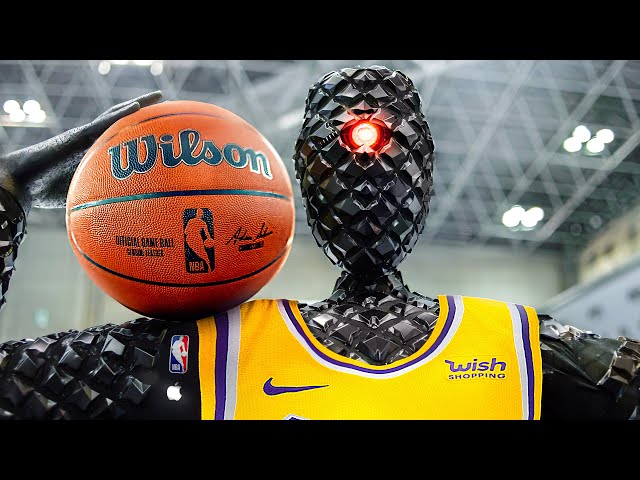
Understanding A.I. in Sports
Artificial Intelligence refers to the simulation of human intelligence processes by machines, especially computer systems. These processes include learning, reasoning, and self-correction. In the context of basketball coaching, A.I. can analyze vast amounts of data, identify patterns, and provide actionable insights.
Applications of A.I. in Basketball Coaching
1. Performance Analysis
One of the most significant advantages of A.I. in basketball coaching is its ability to analyze player performance. Advanced algorithms can process statistics from games, practices, and individual drills. Coaches can use this data to assess players’ strengths and weaknesses, allowing for tailored training regimens.
- Video Analysis: A.I.-powered video analysis tools can break down game footage to highlight specific plays, techniques, and decisions made during the game. This analysis can provide players with visual feedback, making it easier to understand areas for improvement.
2. Game Strategy and Tactics
A.I. can assist coaches in formulating strategies by simulating various game scenarios. By analyzing historical data from past games, A.I. systems can identify successful plays against different opponents and suggest tactics that are likely to be effective.
- Predictive Analytics: Predictive models help in forecasting the outcomes of games based on numerous variables, including player performance, opponent strengths, and in-game conditions. Coaches can use these insights to make real-time decisions during games.
3. Player Development
A.I. tools can create personalized development plans for players based on their unique skill sets and growth trajectories. By continuously monitoring player metrics, coaches can identify when a player is ready to take on more responsibility or when they need additional guidance.
- Skill Assessment: Automated evaluations can determine player proficiency in various skills such as shooting accuracy, dribbling efficiency, and defensive capabilities. This information is crucial for designing drills that target specific areas.
4. Injury Prevention and Management
Injuries are a significant concern in basketball. A.I. can mitigate this risk by analyzing player workload, biomechanics, and health data to predict injury risks. Coaches can use this information to adjust training loads and implement recovery protocols.
- Wearable Technology: Devices equipped with A.I. capabilities can monitor players’ physical conditions in real-time, tracking metrics like heart rate, fatigue levels, and movement patterns. This data ensures that players are not overexerted during practices.
Benefits of A.I. in Basketball Coaching
- Enhanced Decision-Making: With access to data-driven insights, coaches can make informed decisions that improve team performance.
- Efficiency: A.I. streamlines the coaching process, allowing coaches to focus on developing relationships with players rather than getting lost in data analysis.
- Scalability: Teams with limited resources can leverage A.I. tools to enhance their coaching strategies without hiring additional staff.
Challenges and Considerations
Despite its benefits, the integration of A.I. into basketball coaching is not without challenges:
- Data Privacy: With the collection of extensive player data comes the need for stringent data privacy measures.
- Dependence on Technology: Over-reliance on A.I. can lead to a decrease in traditional coaching skills and intuition.
- Cost: High-quality A.I. tools can be expensive, limiting their adoption at smaller schools and organizations.
Conclusion
The integration of A.I. into basketball coaching represents a significant leap forward in the world of sports. By enhancing performance analysis, improving game strategies, facilitating player development, and preventing injuries, A.I. is reshaping how coaches approach the game. While challenges remain, the potential benefits to teams and players are undeniable. As technology continues to evolve, the future of basketball coaching is likely to be increasingly intertwined with artificial intelligence.
It is an exciting time for coaches and players alike as they look towards a future where A.I. plays an integral role in the pursuit of excellence on the basketball court.










 BoldVoices.in
Leave a comment