
Introduction
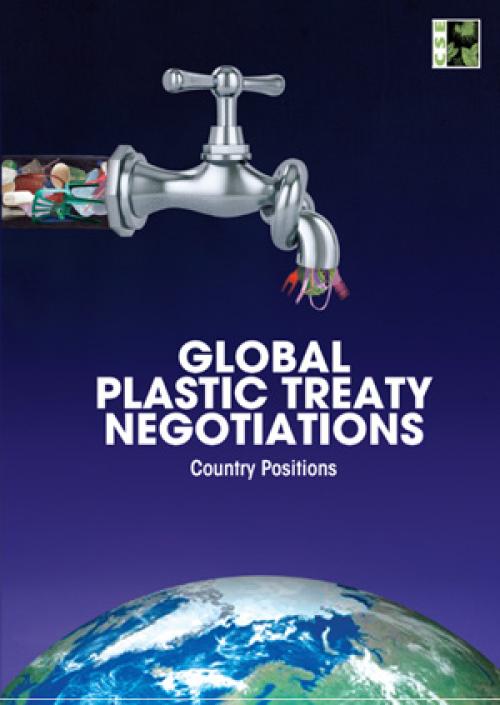
Plastic pollution has emerged as one of the most pressing environmental issues of our time, posing significant threats to wildlife, ecosystems, and human health. In response to this global crisis, nations are engaging in negotiations to establish a legally binding treaty aimed at curbing plastic pollution. This article delves into the details of these negotiations, their importance, and key considerations.
The Need for a Plastic Treaty
With an estimated 11 million metric tons of plastic entering the oceans each year, the urgency for international action is clear. The plastic waste crisis is not only a local issue but also a global challenge that transcends borders. Marine life is severely affected, leading to biodiversity loss, while microplastics have infiltrated food systems, impacting human health.
Historical Context
The idea of a global plastic treaty gained momentum during the United Nations Environment Assembly (UNEA) held in 2022. Countries began to recognize the need for a coordinated approach to manage plastic waste and pollution. The outcomes of the assembly led to the establishment of an open-ended working group tasked with drafting the treaty.
Key Objectives of the Treaty
The proposed treaty aims to address the entire lifecycle of plastics, focusing on several core objectives:
- Reduction of Plastic Production: Implement measures to reduce the overall production of new plastics.
- Waste Management: Enhance systems for collecting, recycling, and disposing of plastics.
- Pollution Prevention: Prevent plastic pollution from entering ecosystems, particularly oceans.
- Innovation and Alternatives: Encourage research into biodegradable materials and alternatives to conventional plastics.
- International Cooperation: Foster collaboration among nations to share technology, resources, and best practices.
Current Status of Negotiations
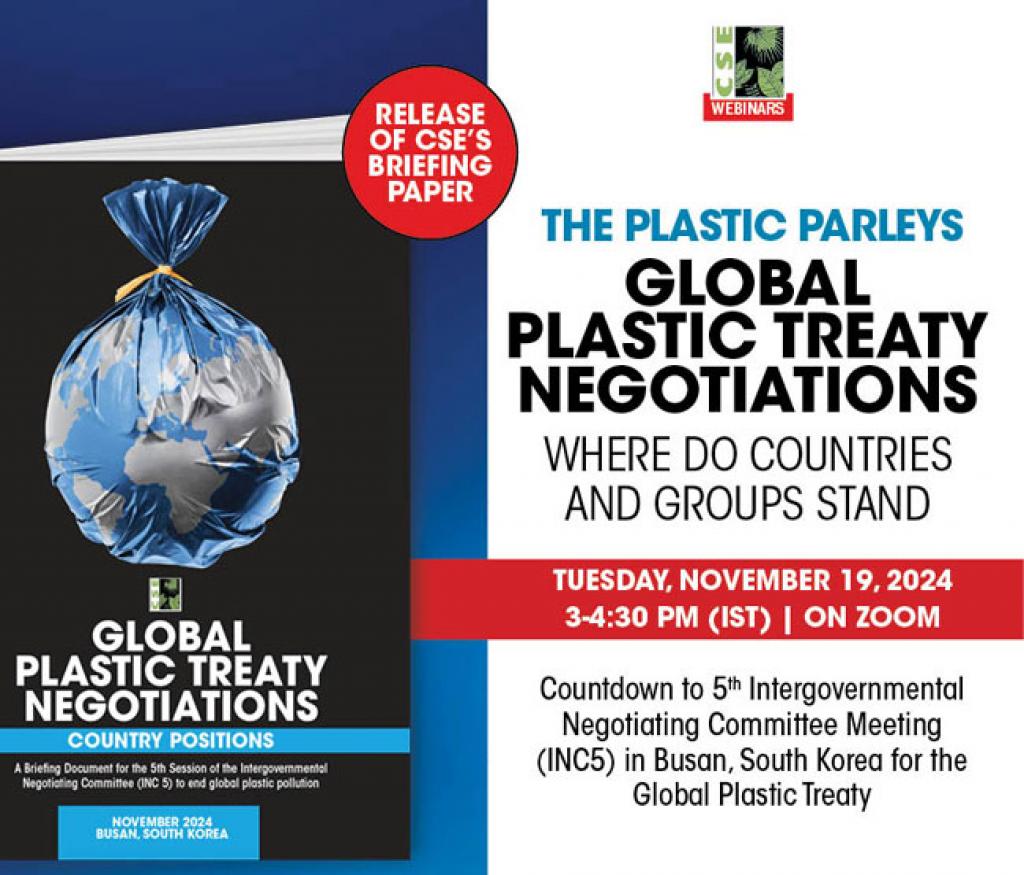
As of 2023, negotiations involving representatives from multiple nations, NGOs, and industry stakeholders are ongoing. The meetings are focused on developing the treaty’s text, with discussions on enforcement mechanisms, compliance measures, and financial resources. Key points of debate include defining “single-use plastics,” responsibilities of different nations, and the balance between economic interests and environmental sustainability.
Challenges Ahead
While the treaty presents a monumental opportunity for environmental protection, several challenges must be addressed:
- Diverse National Interests: Countries vary significantly in their reliance on plastic production and waste management capabilities. Balancing these interests is crucial.
- Implementation and Enforcement: Establishing effective mechanisms for compliance and monitoring will be necessary to ensure that treaty obligations are met.
- Adaptation for Developing Nations: Support for developing nations is essential, as they may lack the resources to implement stringent plastic regulations.
The Role of Stakeholders
Various stakeholders play a critical role in the success of the treaty:
- Governments: Responsible for national legislation and international commitments.
- Businesses: Development of sustainable practices and innovations to reduce plastic use.
- Civil Society and NGOs: Advocating for stronger environmental protections and raising awareness about plastic pollution.
- Scientists and Researchers: Providing evidence-based insights to guide policy decisions.
Conclusion
The negotiations for a global plastic treaty represent a pivotal moment in the fight against plastic pollution. By establishing a comprehensive framework that addresses the entire lifecycle of plastics, nations can collaborate to mitigate the adverse effects of plastic waste on our planet. The successful culmination of these negotiations will not only benefit the environment but also pave the way for sustainable practices and innovations in the future.
References
- United Nations Environment Programme. (2022). Report of the United Nations Environment Assembly.
- World Economic Forum. (2021). The Global Plastic Action Partnership.
- Intergovernmental Panel on Climate Change. (2023). Impacts of Plastic Pollution on Climate Change.










 BoldVoices.in
Leave a comment