
Introduction
In recent years, the increasing sophistication of deepfake technology has raised concerns across the globe, as it poses significant threats to political stability and trust in media. One of the most alarming instances of this was the deepfake coup that unfolded in Bolivia. This incident highlights the dangerous intersection of technology and politics, illustrating how fabricated media can incite real-world chaos.
The Context of the Crisis
In late 2023, Bolivia found itself on the brink of turmoil as political tensions escalated amid an already polarized landscape. The nation was grappling with issues regarding economic recovery, social inequality, and civil rights, creating a fertile ground for misinformation to flourish.
The Fabricated Video
The crisis began with the sudden emergence of a deepfake video showcasing President Luis Arce resigning from his post during a televised address. In this video, the president appeared visibly distressed, citing alleged threats to democracy and security. Within hours of the video’s release, social media platforms were inundated with shares and reactions, with many Bolivians expressing outrage and disbelief.
The Mechanics of the Deepfake
The creators of the video utilized advanced deepfake technology to manipulate existing footage of President Arce, altering his facial expressions and voice to deliver a message that never actually occurred. This technological feat, which involves employing artificial intelligence to generate realistic audiovisual content, rendered the video compellingly believable to the average viewer.
Public Reaction and Chaos
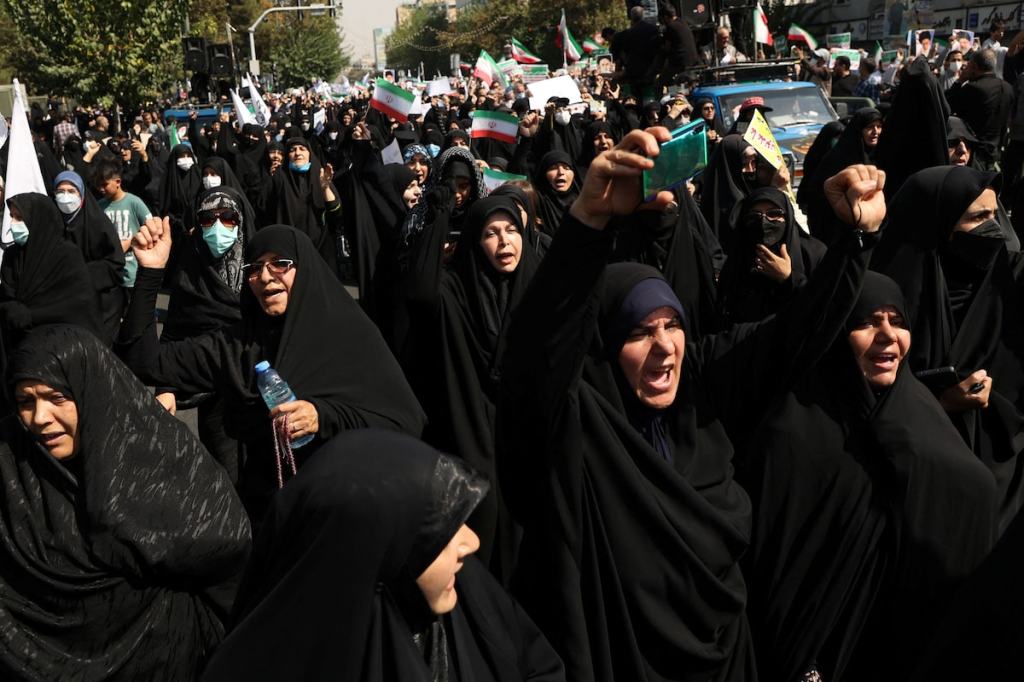
The public’s response to the video was swift and intense. As the video circulated, protests erupted in major cities across Bolivia. Supporters of the opposition party seized upon the opportunity to rally against the government, demanding Arce’s immediate resignation and calling for new elections. The situation rapidly escalated as misinformation spread, leading to violent confrontations between protestors and security forces.
Role of Social Media
Social media played a crucial role in amplifying the impact of the deepfake. Platforms like Twitter and Facebook became breeding grounds for conspiracy theories, with various factions using the fabricated video to advance their narratives. The rapid sharing of the content caused confusion among citizens, blurring the lines between fact and fiction.
Military Intervention
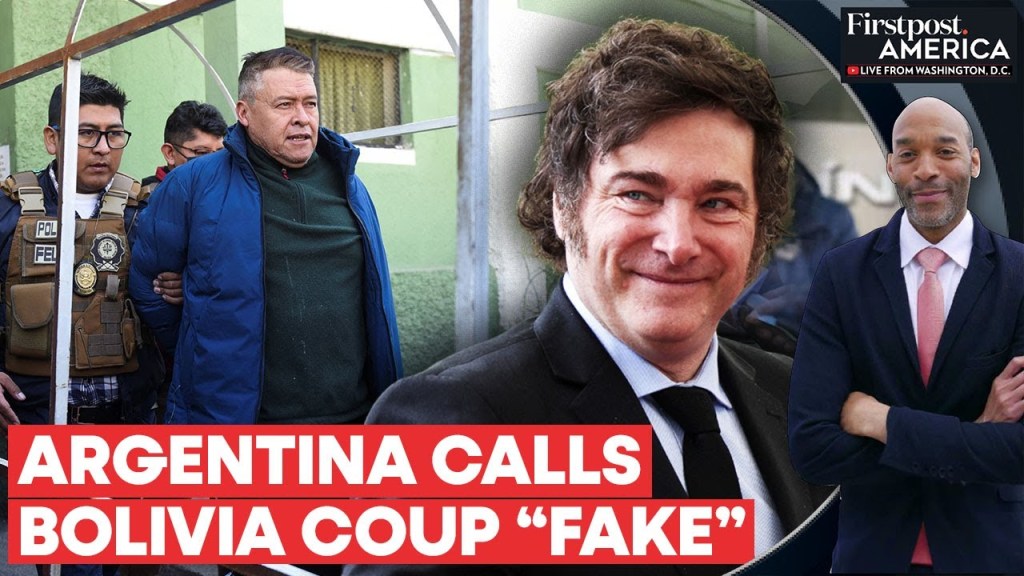
As chaos enveloped the capital, La Paz, the Bolivian military intervened in an effort to restore order. Military officials held a press conference, asserting their commitment to upholding democracy while simultaneously downplaying the impact of the deepfake as a “fallen tool of misinformation.” Their intervention stabilised the immediate crisis but raised deeper concerns about the military’s role in politics.
Assessing the Aftermath
In the days that followed, investigations were launched to identify the creators of the deepfake video. Law enforcement agencies collaborated with tech experts to trace the origins of the video, leading them to suspect a coordinated effort by political adversaries aiming to destabilize the government.
The Broader Implications
The incident in Bolivia serves as a grim reminder of the potential consequences of deepfake technology in geopolitics. It raises important questions about the credibility of audiovisual media and the responsibility of tech companies to ensure the integrity of information shared on their platforms.
Legislation and Regulation
As nations grapple with the implications of deepfakes, discussions surrounding appropriate legislation and regulation are becoming increasingly pertinent. Lawmakers worldwide are urged to consider frameworks that address the dissemination of manipulated media, promoting accountability among content creators and sharers.
Conclusion
The deepfake coup in Bolivia marks a pivotal moment in the nexus between technology and politics. It underscores the need for heightened awareness and critical thinking among the populace as well as proactive measures from governments and tech companies to mitigate the threat posed by fabricated content. As we advance into an increasingly digital future, the incidents like these highlight the pressing need for collaboration in safeguarding democratic institutions from the perils of disinformation and manipulated media.









 BoldVoices.in
Leave a comment