
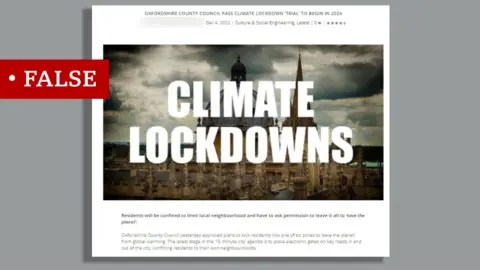
The concept of climate lockdowns has sparked heated discussions among policymakers, scientists, and the public alike. With the growing urgency to address climate change, the idea of imposing lockdowns to reduce carbon emissions has gained traction in some circles. This article delves into the climate lockdowns debate, exploring its origins, potential impacts, and the various perspectives surrounding it.
What Are Climate Lockdowns?
Climate lockdowns refer to measures that would restrict individual and industrial activities to reduce greenhouse gas emissions significantly. The term draws parallels with the COVID-19 lockdowns, which mandated restrictions on movement and economic activities to control the spread of the virus. Advocates argue that similar measures could be necessary to curb climate change, potentially leading to more sustainable practices and a drastic reduction in carbon footprints.
The Rationale Behind Climate Lockdowns
1. Urgency of Climate Change
The Intergovernmental Panel on Climate Change (IPCC) has consistently warned that without immediate and drastic action, the planet could face catastrophic consequences, including severe weather events, rising sea levels, and biodiversity loss. Proponents of climate lockdowns contend that traditional methods of reducing emissions—such as transitioning to renewable energy and implementing carbon taxes—may not be enough to avert disaster. They argue that radical steps, including lockdowns, might be essential.
2. Historical Precedents
Advocates often cite the temporary reduction in emissions observed during the COVID-19 lockdowns as a precedent. In 2020, global CO2 emissions fell by about 6.4%, highlighting how significant reductions can occur quickly with enforced restrictions. This temporary environmental improvement provides a striking illustration of the potential impact of climate lockdowns.
Potential Impacts of Climate Lockdowns
Positive Outcomes
- Immediate Emission Reductions: Enforcing lockdowns could lead to swift reductions in fossil fuel consumption, impacting industries such as transportation and manufacturing.
- Promotion of Green Alternatives: Lockdowns could accelerate the shift towards renewable energy sources and promote sustainable practices, such as telecommuting.
- Behavioral Change: By experiencing a lifestyle of reduced consumption during lockdowns, societies might adopt more sustainable habits, leading to long-term environmental benefits.
Negative Consequences
- Economic Disruption: Extended lockdowns could lead to significant economic downturns, job losses, and increased poverty, particularly in vulnerable populations.
- Social Justice Issues: Climate lockdowns may disproportionately impact lower-income communities who rely on daily wages and cannot afford to halt work without support.
- Public Resistance: There is a risk of public backlash against enforced restrictions, leading to social unrest and decreased government trust.
The Diverse Perspectives
Supporters of Climate Lockdowns
Supporters argue that if the scientific community demands urgent actions, then radical measures should be part of the solution. They highlight the moral responsibility of wealthier nations to lead by example, suggesting that they have the resources to absorb economic impacts better than developing nations.
Critics of Climate Lockdowns
Critics, on the other hand, label climate lockdowns as a form of authoritarianism and a potential threat to freedoms. They argue that the focus should instead be on innovation in technology and shifts to sustainable practices without resorting to coercive measures. Many suggest that voluntary actions, market-driven solutions, and better public awareness campaigns may be more effective in achieving climate objectives without severe economic implications.
Conclusion
The debate over climate lockdowns is emblematic of the broader struggle to find effective solutions to the pressing threat of climate change. While the urgency of the situation demands innovative thinking and radical solutions, the potential societal, economic, and ethical implications of climate lockdowns cannot be overlooked. Moving forward, it will be crucial to consider a balanced approach that integrates robust climate action with economic and social well-being. This may involve a combination of regulatory measures, incentives for sustainable practices, and investment in green technologies, fostering a collaborative endeavor toward a sustainable future.










 BoldVoices.in
Leave a comment