
Introduction
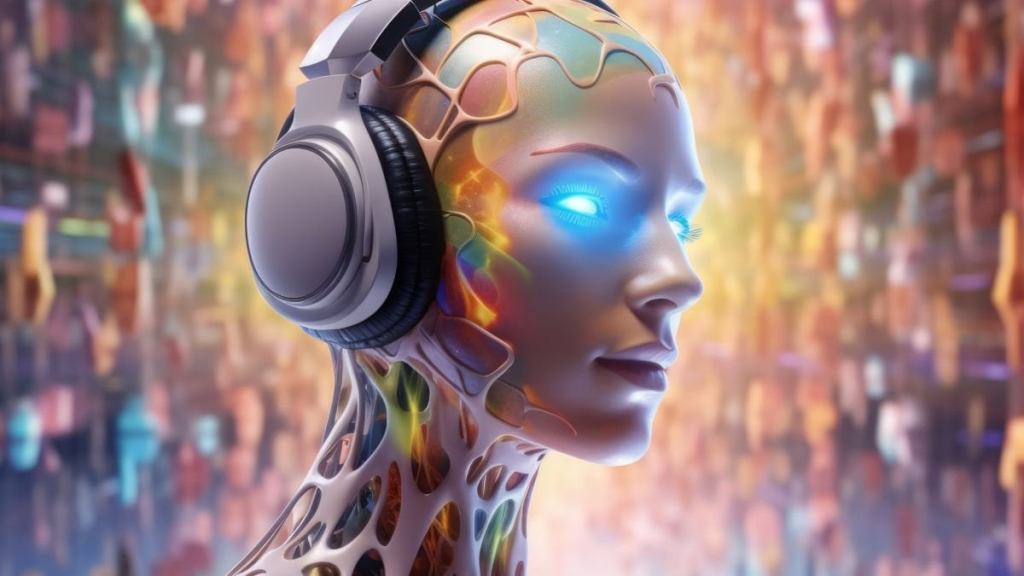
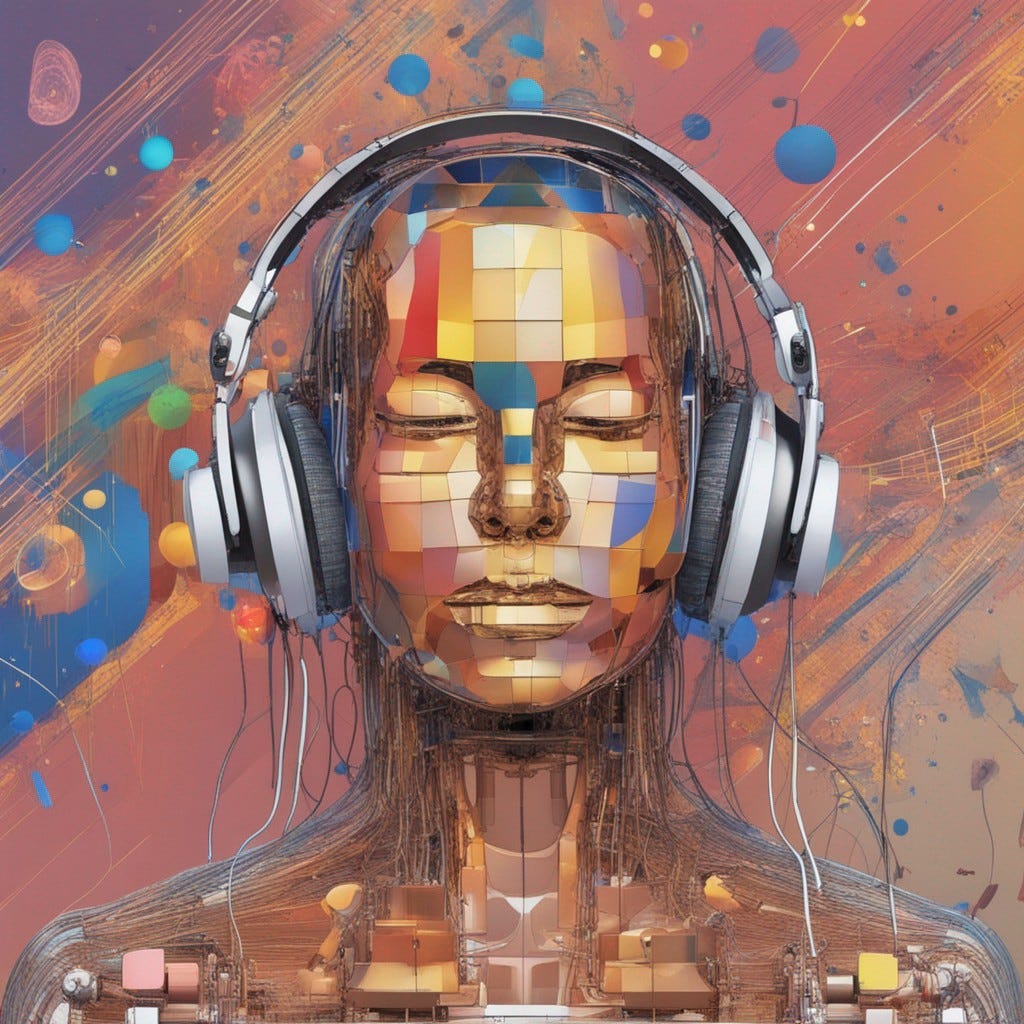
The advent of artificial intelligence (AI) has transformed various industries, and the music sector is no exception. AI-generated music technologies have sparked a heated debate among artists, producers, and music enthusiasts, leading to a phenomenon dubbed the “AI-Generated Music Wars.” This article delves into the implications, controversies, and future of AI in music creation.
The Rise of AI in Music
Technological Advances
In recent years, machine learning and deep learning algorithms have made significant strides, enabling computers to analyze and create music in various genres. Platforms like OpenAI’s MuseNet and Google’s Magenta utilize neural networks to compose original pieces mimicking the styles of famous composers and contemporary artists.
Accessibility of Music Creation
AI music generators have democratized music creation, allowing amateur musicians and producers to generate high-quality compositions without the need for extensive training. This accessibility has led to a surge in the production of music, reshaping how songs are composed and produced.
The Controversy
Authorship and Intellectual Property
One of the most contentious issues surrounding AI-generated music is the question of authorship. If a piece of music is created by an AI, who owns the rights? Is it the programmer, the user, or the AI itself? Current copyright laws struggle to adapt to these new technologies, leading to a legal gray area.
Quality vs. Quantity
Critics argue that while AI can produce a vast quantity of music, the emotional depth and originality often found in human-created music may be lacking. For many, music is an art form that conveys complex emotions, something they fear AI may not replicate fully. Supporters, however, assert that AI can enhance human creativity by providing new tools and ideas.
The Role of Human Musicians
As AI tools become more prevalent, there are concerns about the potential displacement of human musicians. Will AI replace songwriters and composers, or can it coexist with human creativity? While AI can assist in the creative process, many argue that human musicians bring unique perspectives and experiences that machines cannot replicate.
Streaming Showdown: Iconic Artists vs. AI Clones
In an unprecedented twist in the music industry, some of the biggest names like Drake, Taylor Swift, and BTS are set to face off against their AI clones in a series of streaming battles. This innovative concept not only highlights the burgeoning role of artificial intelligence in music creation but also raises intriguing questions about artistry, authenticity, and the future of musical competition.
The Concept
Imagine a world where artists collaborate with AI technology to create virtual clones of themselves that can perform and generate music. These AI versions, designed to emulate the unique styles and sounds of their human counterparts, will engage in streamed performances, competing for the attention of fans and listeners globally.
AI Clones: The New Competitors
- Drake AI: Utilizing machine learning, this AI clone would be programmed to produce tracks that mimic Drake’s signature flow, style, and emotional resonance. Fans could vote on the AI’s performances through streaming platforms, determining if it can capture the essence of Drake’s artistry.
- Taylor Swift AI: Swift’s AI counterpart would generate lyrics and melodies reminiscent of her storytelling prowess. Known for her deeply personal songwriting, this AI clone would challenge the boundaries of emotion in music composition, possibly leading to surprising new narratives.
- BTS AI: With BTS’s blend of genres and cross-cultural appeal, the AI version could be trained on their extensive discography, aiming to replicate the intricate harmonies and powerful choreography that have won over millions worldwide. The dynamic interaction between fans and the AI could redefine the K-pop experience.
The Implications
Artistic Authenticity
As artists and their AI clones go head-to-head in streaming battles, the underlying question emerges: what defines true artistry? While AI can generate music that satisfies modern production standards, critics wonder if it can genuinely convey the personal experiences and emotions that human artists bring to their work.
Fan Engagement
These streaming battles could revolutionize fan engagement, allowing listeners to interact with both their favorite artists and advanced AI versions. Fans may enjoy the novelty of voting for the best performance, leading to a more immersive and participatory musical experience.
Industry Response
The music industry has historically resisted change, but the advent of AI clones could compel record labels and artists to embrace this technology, possibly leading to hybrid performances where both human and AI musicians share the stage. As a result, new business models could emerge, offering fans additional content and experiences.
The face-off between iconic artists and their AI clones presents a unique exploration of creativity, technology, and the ever-evolving landscape of music. While the challenges of authenticity and emotional depth remain, these streaming battles might pave the way for a new era of collaboration, allowing human and AI artists to coexist and redefine the boundaries of musical expression. As we witness these virtual showdowns, we anticipate an exciting future where both human creativity and AI innovation create a richer musical tapestry.
The Adaptation of the Music Industry
Embracing AI
Despite the controversies, many in the music industry have embraced AI technology. Record labels and artists use AI to analyze trends, predict hits, and even craft promotional strategies. Some musicians collaborate with AI as a co-creator, blending human intuition and machine efficiency to produce chart-topping hits.
New Business Models
The rise of AI-generated music has led to the emergence of new business models. Platforms offering AI-driven music creation tools are springing up, allowing users to monetize their creations. Additionally, some artists have begun licensing AI-generated music for commercial use, opening up new revenue streams.
The Future of AI-Generated Music
Ethical Considerations
As AI continues to evolve, ethical considerations surrounding its use in music will need to be addressed. The balance between innovation and preserving the essence of human creativity is pivotal. Ensuring transparent and fair usage rights will be essential as the technology advances.
Evolution of Genres
AI-generated music may lead to the evolution of new musical genres. By analyzing vast databases of existing music, AI can create unique hybrids that blend different styles, potentially giving rise to entirely new forms of artistic expression.
Collaboration Between Humans and AI
The future may see a more collaborative relationship between human musicians and AI. Instead of viewing AI as a competitor, artists can leverage AI’s analytical capabilities and vast resources to enhance their creative process. This collaboration could result in an exciting fusion of human emotional depth and AI’s inventive possibilities.
Conclusion
The AI-Generated Music Wars reflect a broader dialogue about technology’s role in our creative lives. While challenges related to authorship, quality, and the displacement of artists must be navigated, the potential for innovation and collaboration presents an exciting horizon for the music industry. As we move forward, finding the right balance between human creativity and AI assistance will shape the soundscapes of tomorrow.









 BoldVoices.in
Leave a comment